
Small Bathroom Renovation Best Practices
29 May, 2026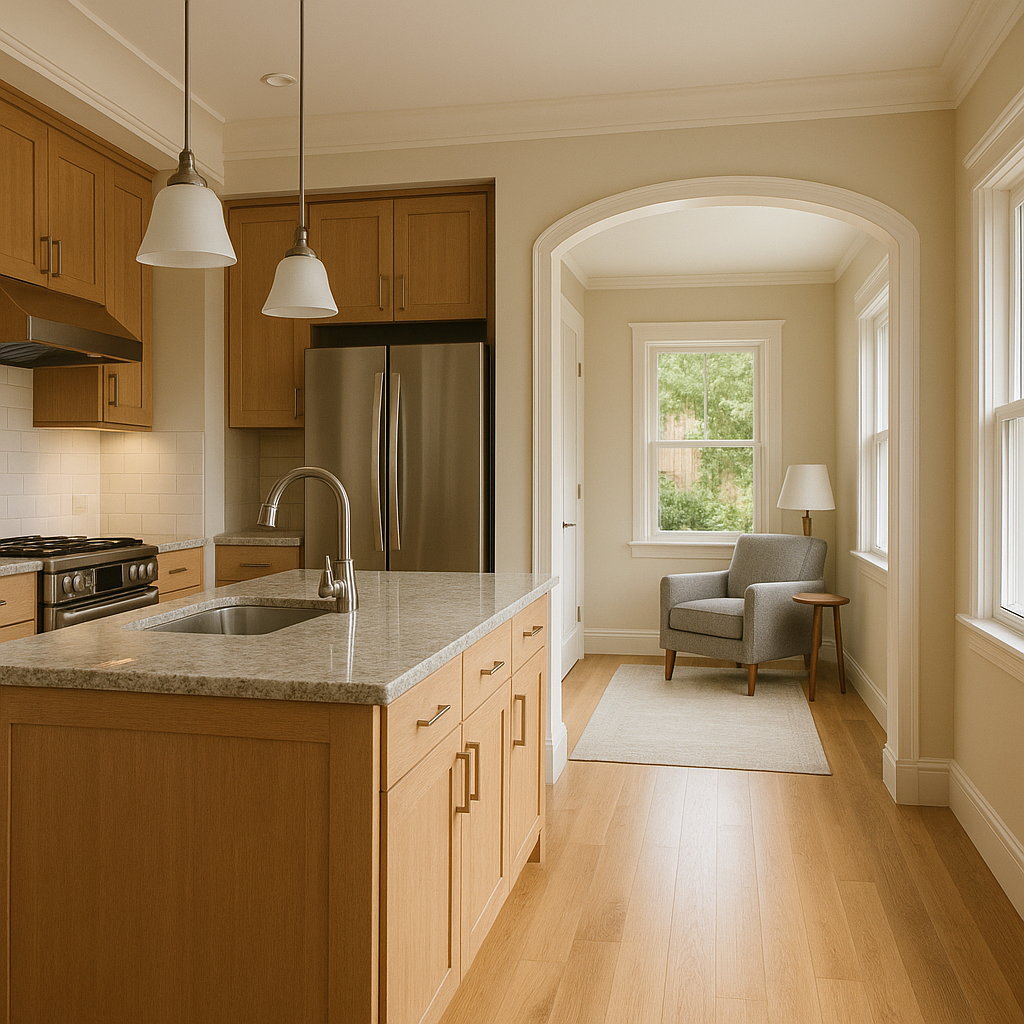
Cost of Aging in Place Renovations in San Francisco
Introduction
Aging in place is the ability for seniors to remain in their own homes safely and comfortably as they grow older. In San Francisco, this concept is particularly important due to the city's unique housing landscape, which often includes older structures that may require significant renovations to enhance accessibility.
Accessibility is a critical component of aging in place renovations. Modifications such as installing grab bars, ensuring slip-resistant flooring, and providing adequate space for mobility aids are essential for creating a safe living environment. These upgrades not only improve safety but also support the independence of residents as they age.
The cost of aging in place renovations in San Francisco can be substantial, influenced by factors such as the city's regulatory requirements and the specific needs of older homes. Homeowners must consider these costs carefully to ensure that their living spaces remain safe and accessible as they age in place.
What Drives the Cost of Aging in Place Work
The cost of aging in place renovations in San Francisco is shaped by several key factors that homeowners must navigate. A primary driver is the local regulations that dictate remodeling standards. San Francisco's stringent building codes and permit requirements can significantly elevate costs, particularly for projects aimed at enhancing accessibility.
Moreover, the age and condition of existing systems in older homes directly impact renovation expenses. Many residences in San Francisco require updates to outdated plumbing and electrical systems to comply with modern safety standards, which can add to the overall cost of aging in place modifications.
Accessibility features are essential for ensuring a safe living environment as residents age. Homeowners should prioritize modifications like widening doorways, installing ramps, and adding grab bars. These enhancements not only improve safety but also contribute to the overall cost of the project. Understanding these specific cost drivers is vital for homeowners aiming to create a secure and accessible space for aging in place.
Understanding the cost of aging in place renovations in San Francisco requires a clear view of the various upgrade options and their associated expenses. These upgrades can be classified into low, mid-range, and higher-scope projects, each designed to enhance accessibility for seniors.
Low-Scope Upgrades
- Cost Range: $1,000 - $5,000
- Specific Upgrades: Installing grab bars in bathrooms, adding non-slip mats in high-risk areas, and improving lighting with brighter fixtures.
- Materials and Labor Costs: Basic grab bars can cost around $50 each, while installation may add another $100-$200 depending on the complexity.
Mid-Range Upgrades
- Cost Range: $5,000 - $15,000
- Specific Upgrades: Widening doorways for wheelchair access, installing a walk-in shower with slip-resistant tiles, and upgrading to lever-style door handles.
- Materials and Labor Costs: A walk-in shower remodel can range from $3,000 to $10,000, including materials and labor.
Higher-Scope Upgrades
- Cost Range: $15,000 - $50,000+
- Specific Upgrades: Full bathroom remodels to include roll-in showers, kitchen modifications for accessibility, and installing stairlifts or ramps.
- Materials and Labor Costs: A full bathroom remodel with accessibility features can exceed $20,000, depending on the materials chosen and labor costs in San Francisco.
Each of these upgrades not only improves accessibility but also addresses critical safety concerns for seniors. Investing in these renovations is essential for enhancing the quality of life for those aging in place, making it vital for homeowners to evaluate their options based on both cost and specific needs.
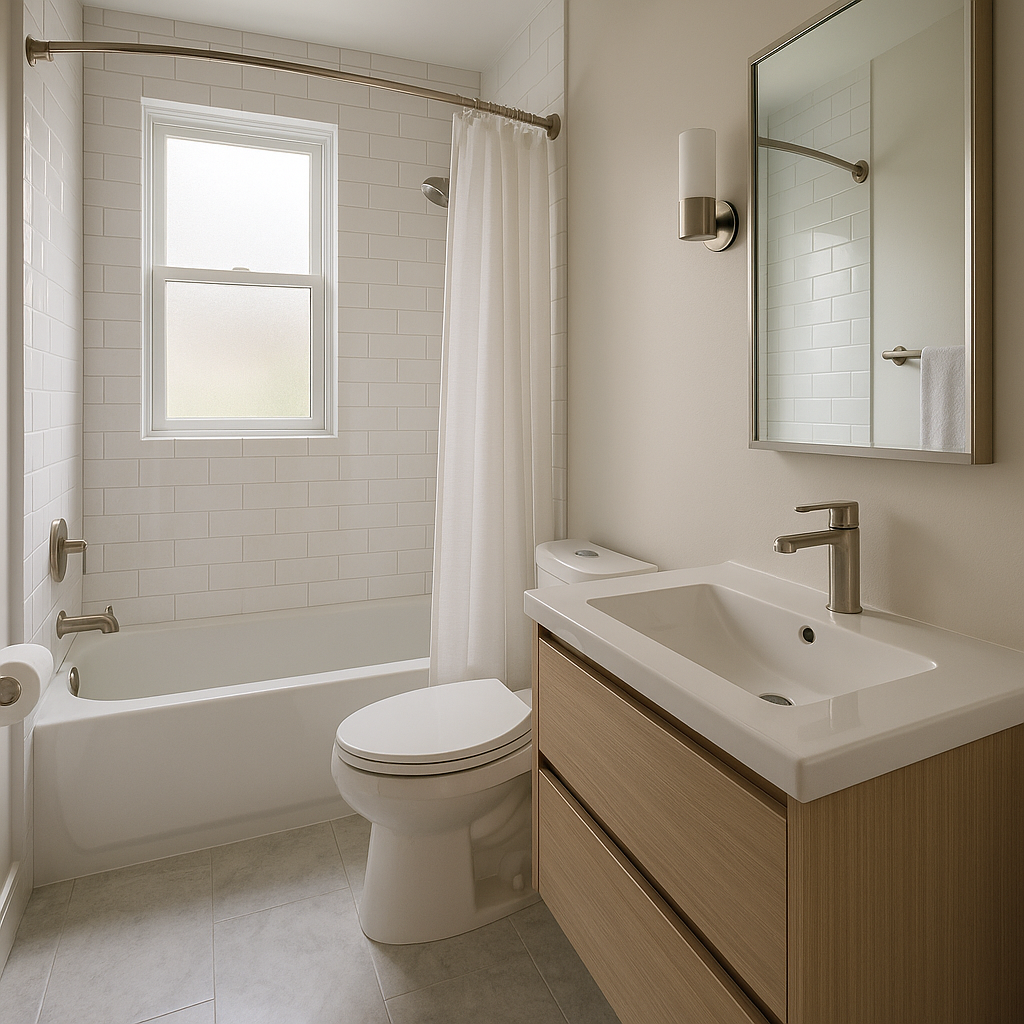
When planning aging in place renovations in San Francisco, understanding the cost variations across different areas of the home is crucial for ensuring accessibility. Bathroom modifications can significantly impact safety and comfort, with costs for installing grab bars and slip-resistant flooring ranging from $1,500 to $5,000, depending on materials and labor. A walk-in shower designed for accessibility can further increase expenses, typically costing between $3,000 and $10,000.
Kitchen renovations also present unique challenges related to accessibility. Modifications such as lowering countertops and installing pull-out shelves can range from $2,000 to $8,000. The complexity of these changes, along with the need to update older plumbing systems, can elevate costs significantly.
Entryway access is another critical area where costs can vary. Installing ramps or widening doorways to ensure safe entry can cost between $1,000 and $4,000, depending on the existing structure and materials used. Clearances are essential for mobility aids, and ensuring adequate space can add to the overall budget.
Ultimately, the importance of clearances and safety features cannot be overstated. These modifications not only enhance accessibility but also significantly contribute to the safety and comfort of seniors aging in place. Homeowners must carefully consider these factors when budgeting for their renovations to create a secure living environment.
When planning aging in place renovations in San Francisco, effective budgeting and strategic phasing are essential to manage costs while ensuring that accessibility features are prioritized. Start by assessing your specific needs and identifying the most critical modifications that will enhance safety and accessibility in your home.
One practical budgeting tip is to allocate funds specifically for accessibility upgrades, such as installing grab bars, slip-resistant flooring, and widening doorways. These features are vital for safety and represent impactful changes. To optimize costs, obtain multiple quotes from contractors who specialize in aging in place renovations, allowing you to compare pricing and services.
Phasing the work can lead to significant cost savings. Begin with the most urgent modifications that address immediate safety concerns, such as bathroom upgrades, before moving on to larger projects like kitchen renovations or entryway accessibility. This phased approach allows you to spread costs over time, making adjustments based on your budget and evolving needs.
Additionally, consider prioritizing accessibility features that offer the greatest benefit for the cost. For example, installing grab bars and improving lighting can be done at a lower expense compared to larger renovations, yet they significantly enhance safety. By focusing on these priorities, you can ensure that your home remains safe and accessible as you age.
Ultimately, while the cost of aging in place renovations can be substantial, investing in these modifications is crucial for maintaining a safe and comfortable living environment. By prioritizing accessibility features and phasing the work effectively, you can create a home that supports your independence as you age.
In conclusion, the cost of aging in place renovations in San Francisco is shaped by various factors, including local regulations and the specific accessibility features needed to ensure safety and comfort. Homeowners must carefully consider these costs to maintain a secure living environment as they age.
Professional guidance is crucial in navigating the complexities of aging in place renovations. Experts can help identify essential modifications that enhance accessibility while ensuring compliance with local building codes, ultimately saving both time and money. With the right support, homeowners can make informed decisions that prioritize their safety and well-being.
If you are contemplating aging in place renovations, we encourage you to contact Heidi's House Construction today. Our team specializes in tailored solutions that address your unique needs, ensuring your home remains a safe and accessible haven as you age. Don't hesitate—reach out to us to discuss how we can assist you in transforming your space into a secure environment.
FAQs
How much does cost of aging in place renovations in typically cost in San Francisco?
The real cost depends on the exact scope, product quality, demolition needs, and whether plumbing, electrical, framing, tile, or finish work must change to support the upgrade. Labor and permit requirements can also move the budget up or down substantially.
What are the biggest cost drivers in cost of aging in place renovations in?
The biggest drivers are usually layout changes, product selections, finish level, hidden conditions, and whether the work triggers related trade work. In San Francisco, older-home conditions and permit coordination can also affect the final price.
Can I control the budget for cost of aging in place renovations in without cutting quality?
Yes. The best approach is to define the must-have scope early, choose products that fit the room without creating avoidable trade work, and confirm the installation requirements before purchasing materials. That keeps the budget focused on the items that matter most.
Search Blog
Recent Posts
Small Kitchen Renovation Best Practices
22 May, 2026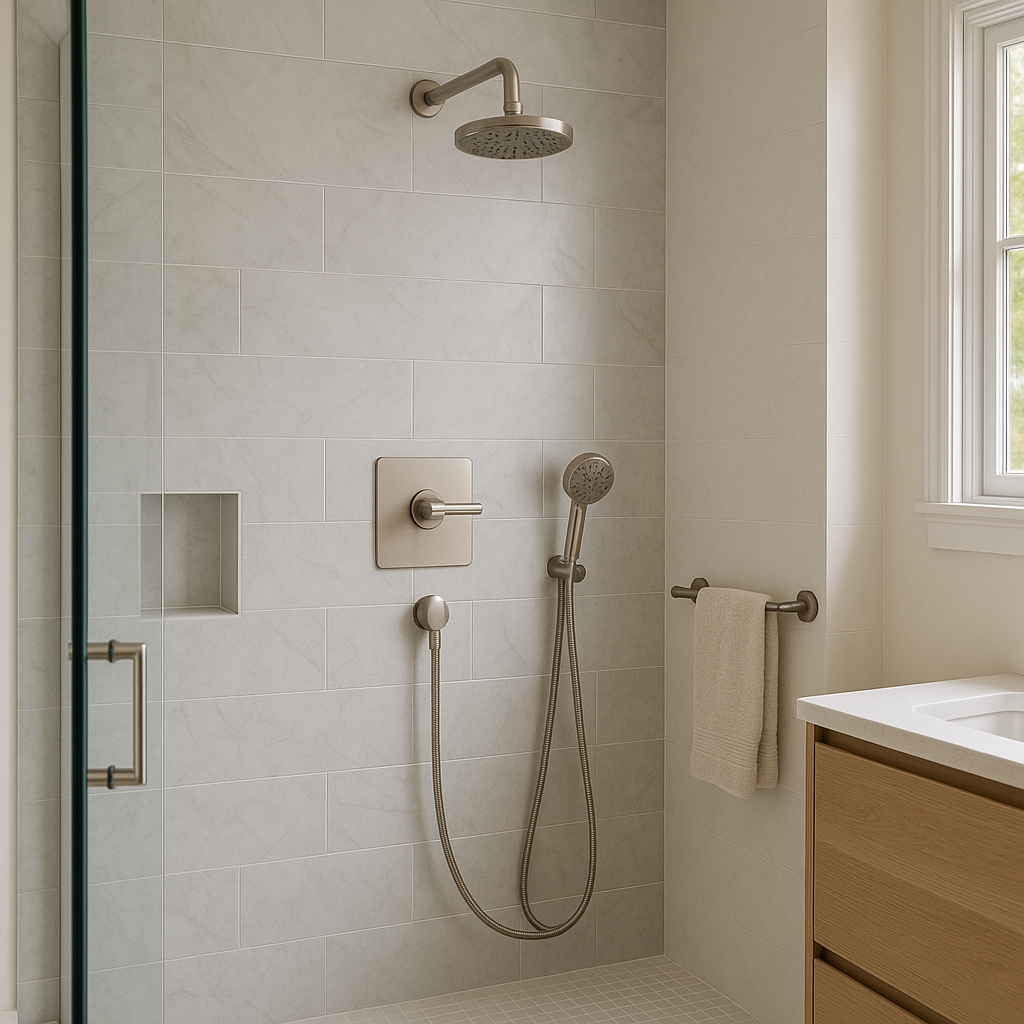
How to Choose the Right Shower Valve
19 May, 2026
How to Choose the Right Bathtub
15 May, 2026


Location
The Richmond District, San Francisco, CA