
Small Bathroom Renovation Best Practices
29 May, 2026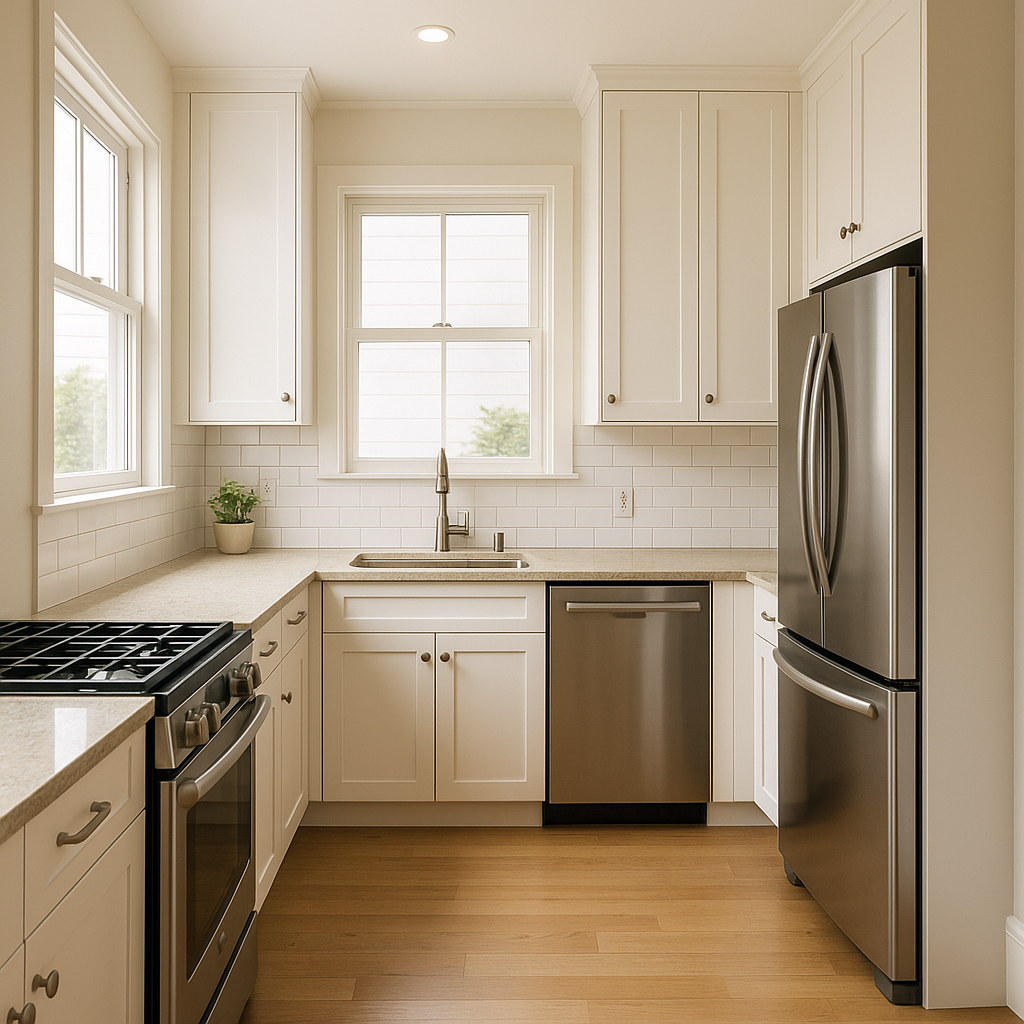
Small Kitchen Renovation Best Practices
Introduction
Renovating a small kitchen in San Francisco presents unique challenges due to limited space and the need for efficient design. Implementing best practices is essential for maximizing functionality and enhancing workflow in these compact areas. In many San Francisco homes, older plumbing and electrical systems can complicate renovations, making it crucial to address these specific needs during the planning process.
Homeowners must navigate the constraints of small kitchens, such as optimizing storage and layout while adhering to local building codes. Understanding the unique characteristics of San Francisco homes, including their historic nature, is vital for a successful renovation. By focusing on tailored best practices, homeowners can create a small kitchen that not only meets culinary demands but also improves overall living experience.
Workflow and Circulation Priorities
When renovating a small kitchen in San Francisco, optimizing workflow and circulation is paramount. The kitchen work triangle—the relationship between the sink, stove, and refrigerator—should be carefully considered to enhance efficiency. In tight spaces, ensuring that these three key areas are positioned within a reasonable distance can significantly improve cooking and meal preparation.
Traffic flow is another critical aspect to address. In many San Francisco homes, narrow hallways and doorways can restrict movement. To mitigate this, consider space-saving layouts that allow for clear pathways. For example, placing the refrigerator near the entrance can facilitate easy access without disrupting the cooking area. Additionally, utilizing open shelving or wall-mounted storage can help maintain an unobstructed flow.
Incorporating multi-functional furniture, such as a foldable table or a kitchen island that doubles as a prep space, can also enhance circulation. These elements not only maximize utility but also contribute to a more open feel in a compact kitchen. By prioritizing these workflow and circulation strategies, homeowners can create a small kitchen that is both functional and enjoyable to use, addressing the unique constraints of San Francisco living.
Storage, Counter Space, and Appliance Sizing
Maximizing storage and counter space in a small kitchen is crucial for ensuring a functional workflow, especially in the context of San Francisco homes. One common mistake is underestimating the importance of vertical storage solutions. Utilizing wall space for cabinets that reach the ceiling can significantly increase storage capacity without consuming valuable floor space. Consider incorporating open shelving for frequently used items, which not only provides easy access but also creates an illusion of a larger area.
Another effective strategy is to invest in multi-functional furniture. For instance, a kitchen island that serves as both a prep area and dining space can be a game changer in small kitchens. This dual-purpose approach not only maximizes utility but also enhances the overall aesthetic of the kitchen.
When it comes to appliance sizing, opting for compact appliance options is essential. Standard-sized appliances may overwhelm a small kitchen, so look for models that are designed specifically for smaller spaces. This can include slim refrigerators, narrow dishwashers, and space-saving microwaves. Ensuring that appliances fit seamlessly into your kitchen layout will help maintain an efficient workflow and prevent clutter.
By focusing on these best practices—leveraging vertical storage, choosing multi-functional furniture, and selecting appropriately sized appliances—homeowners can create a small kitchen that is both stylish and highly functional, tailored to the unique challenges of San Francisco living.
Lighting, Layout Tradeoffs, and Common Mistakes
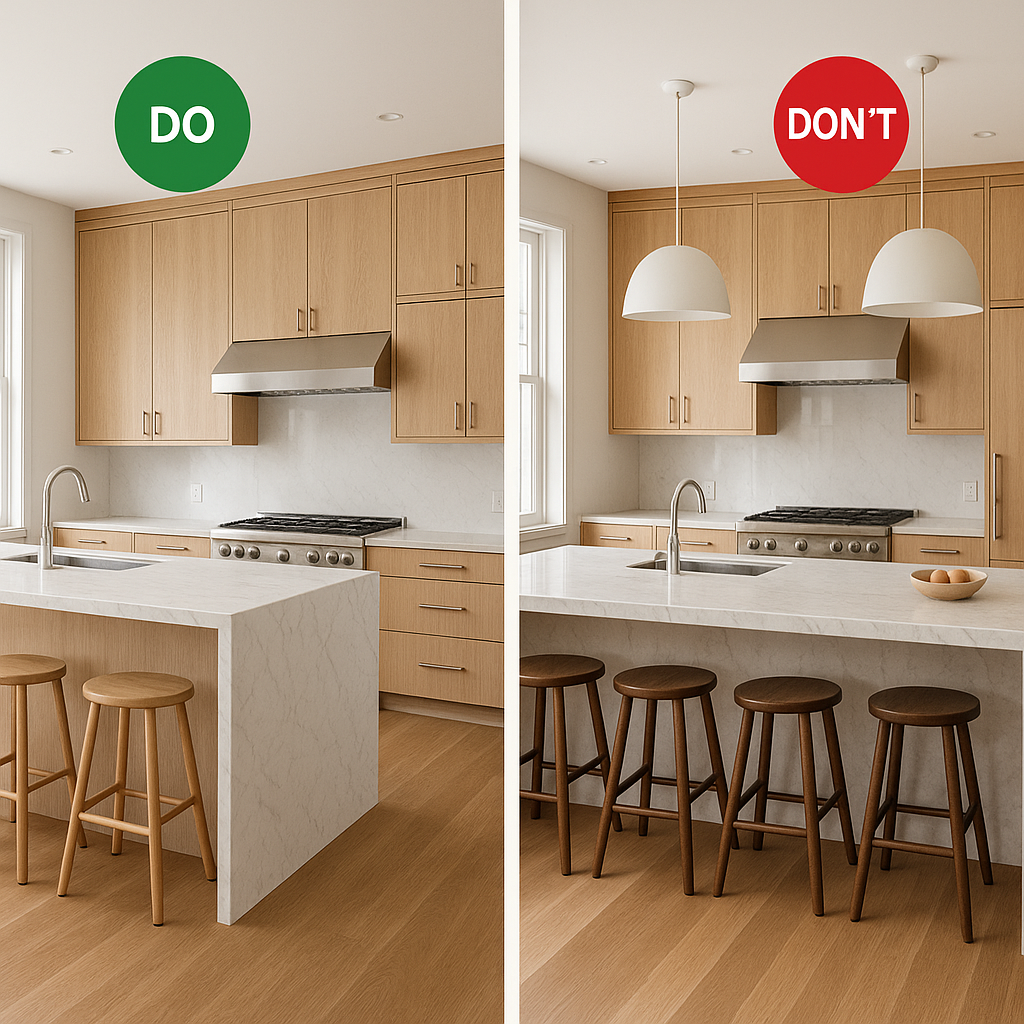
In a small kitchen, the interplay between lighting and layout is crucial for creating an efficient and inviting space. Effective lighting not only enhances the kitchen's functionality but also contributes to its overall ambiance. A common mistake is neglecting the balance between task vs ambient lighting. Task lighting, such as under-cabinet lights, is essential for areas where food preparation occurs, while ambient lighting sets the mood for the entire kitchen. Failing to incorporate both can lead to a workspace that feels cramped and uninviting.
Layout optimization is another key factor in small kitchen renovations. Homeowners often overlook how lighting placement can affect the perceived space. For instance, positioning lights directly above work areas can create shadows, making it difficult to see what you're doing. Instead, consider using a combination of recessed lighting and pendant fixtures to distribute light evenly across the kitchen, enhancing both functionality and aesthetics.
Additionally, common mistakes like poor lighting placement can severely impact workflow. Installing lights too far from work surfaces or using overly bright fixtures can create glare, detracting from the kitchen's usability. By prioritizing thoughtful lighting design alongside layout considerations, homeowners can avoid these pitfalls and create a small kitchen that maximizes both efficiency and comfort, embodying the best practices for San Francisco homes.
How to Make a Small Kitchen Work Better
To truly enhance the functionality and efficiency of a small kitchen in San Francisco, integrating smart technology can be a game changer. Smart appliances, such as refrigerators that monitor inventory or ovens that can be controlled remotely, not only save time but also streamline meal preparation. These innovations help create a seamless workflow, allowing homeowners to focus on cooking rather than managing appliances.
In addition to smart technology, incorporating flexible design elements is essential. Consider using foldable tables or extendable countertops that can adapt to different needs, whether it’s a cozy dinner for two or a larger gathering. This adaptability is particularly important in urban settings where space is at a premium.
Custom solutions tailored for small spaces can also make a significant difference. For instance, built-in cabinetry that maximizes corner spaces or pull-out shelves can enhance storage without compromising on style. These bespoke options not only optimize the available area but also reflect the unique character of San Francisco homes.
By focusing on smart technology integration, flexible design elements, and custom solutions, homeowners can transform their small kitchen into a highly functional space that embodies the best practices for maximizing workflow and efficiency.
Conclusion
In conclusion, applying best practices in your small kitchen renovation is essential for maximizing both functionality and aesthetics. Key takeaways include optimizing workflow through the kitchen work triangle, utilizing vertical storage solutions to enhance space, and selecting appropriately sized appliances that fit seamlessly into your design.
Moreover, thoughtful lighting and layout considerations play a critical role in creating an inviting atmosphere that addresses the unique challenges of San Francisco homes. As you embark on your renovation journey, remember the importance of professional guidance. Engaging experts who understand the specific needs of small kitchens can help navigate complexities and ensure a smoother renovation process.
For tailored solutions that embody these best practices, consider reaching out to Heidi's House Construction. Our team specializes in small kitchen renovations, providing the expertise needed to transform your space into a functional and stylish culinary haven. Contact us today to start planning your dream kitchen!
FAQs
How do I choose the right small kitchen renovation best practices for my home in San Francisco?
Start with the actual constraints of the room: size, clearances, storage needs, maintenance expectations, and how the product will be installed. The right choice usually balances function first, then style, so the finished result works well day to day instead of only looking good in photos.
What matters most when selecting small kitchen renovation best practices?
The most important factors are fit, installation requirements, durability, and how the choice affects the rest of the room. In older San Francisco homes, wall conditions, floor conditions, and existing plumbing or electrical locations can make one option much more practical than another.
What mistakes should homeowners avoid with small kitchen renovation best practices?
A common mistake is choosing based only on appearance without checking dimensions, clearances, support requirements, maintenance needs, or compatibility with the existing layout. It is also smart to confirm lead times and finish availability before ordering so the selection does not slow the project.
Search Blog
Recent Posts
Small Kitchen Renovation Best Practices
22 May, 2026
How to Choose the Right Shower Valve
19 May, 2026
How to Choose the Right Bathtub
15 May, 2026


Location
The Richmond District, San Francisco, CA