
Kitchen Renovation Tips for San Francisco Homes
12 March, 2026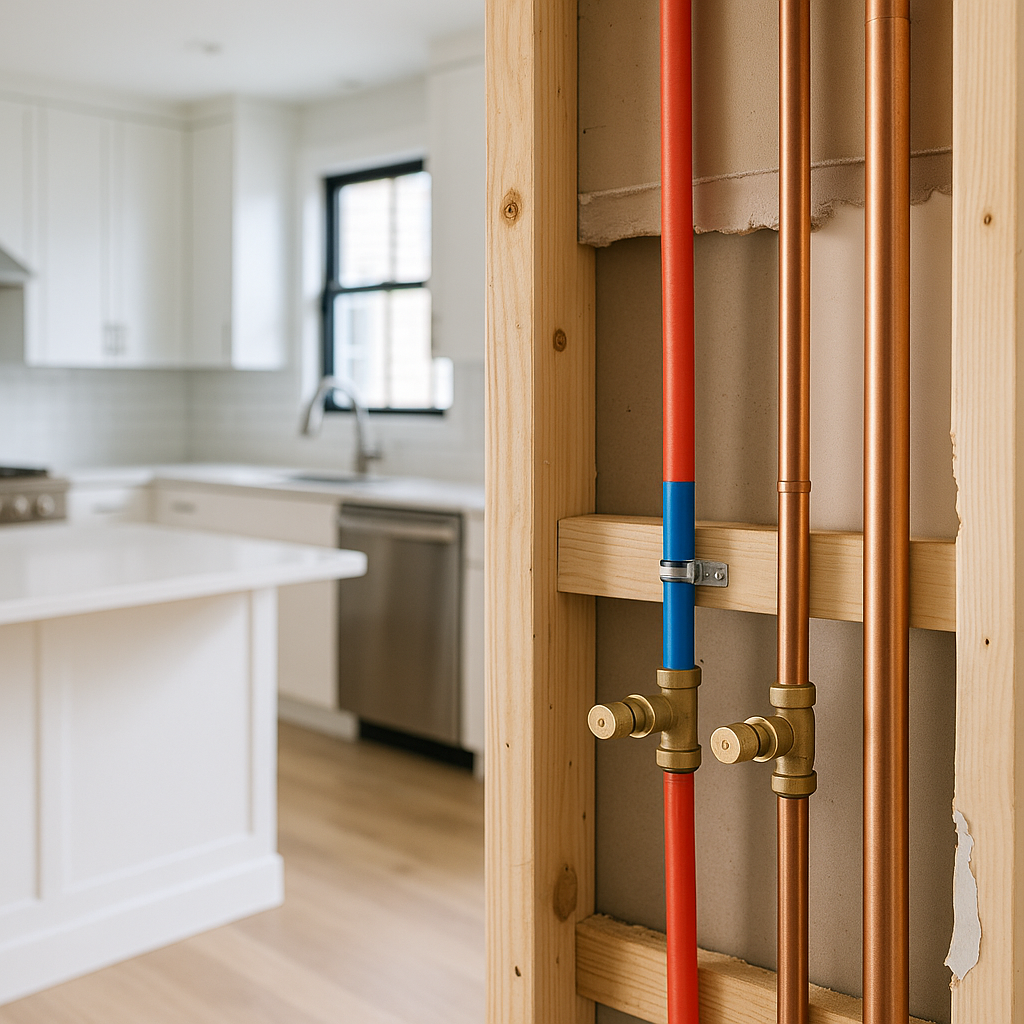
Understanding Plumbing & Repiping in San Francisco: What Homeowners Need to Know
For homeowners in San Francisco, keeping your plumbing system in top shape is vital, particularly in a city known for its unique microclimates and older infrastructures. This guide dives into the essentials of plumbing and repiping, emphasizing how these processes interact with pressure-reducing valves (PRVs) and water pressure upgrades. Understanding these facets can save you from costly mistakes and ensure a smoother experience when considering repiping your home.
What is Repiping?
Repiping involves replacing old or damaged pipes throughout your home with new ones. This process is crucial for homes experiencing frequent leaks, low water pressure, or discolored water. In San Francisco, where many homes date back to the early 20th century, repiping is often necessary due to outdated materials like galvanized steel or lead.
Common Reasons for Whole-House Repiping
- Frequent Leaks: If you’re constantly calling for plumbing repairs, it may be time to consider a full repipe.
- Low Water Pressure: Aging pipes can restrict water flow, affecting your daily activities.
- Corroded or Deteriorating Pipes: Rusty pipes can contaminate your water supply and need immediate replacement.
- Renovations: If you’re remodeling your home, it’s the perfect opportunity to repipe.
Choosing the Right Materials for Repiping
When it comes to selecting materials for your repipe, San Francisco homeowners typically choose between copper, PEX, and CPVC:
- Copper: Known for its durability and resistance to corrosion, copper is often a top choice but can be more expensive.
- PEX: Flexible and resistant to scale and chlorine, PEX is becoming increasingly popular due to its ease of installation and cost-effectiveness.
- CPVC: A cost-effective alternative, CPVC is not as flexible as PEX but is resistant to corrosion and suitable for hot water lines.
Navigating San Francisco's Plumbing Codes and Permits
Before starting any repiping project, it's crucial to understand the local plumbing codes set forth by San Francisco's Department of Building Inspection (DBI). As a homeowner, you will need to secure the necessary permits, especially for whole-house repipes. A licensed plumber familiar with local codes can guide you through this process, ensuring compliance and avoiding potential fines.
How Repiping Interacts with PRVs and Water Pressure Upgrades
Repiping is not just about replacing old pipes; it’s an opportunity to enhance your home's water efficiency. Pressure-reducing valves (PRVs) play a critical role in regulating water pressure coming into your home. If you experience high water pressure, it may lead to pipe damage over time. During a repipe, consider installing or upgrading your PRV to match the new system’s specifications for optimal performance.
Additionally, if your home’s water pressure is too low, a repiping project can help facilitate upgrades to your plumbing system that enhance overall pressure. This is particularly important in neighborhoods with older infrastructure, where low water pressure can be common.
Avoiding Common Pitfalls in Repiping Projects
While repiping can enhance your home’s plumbing system, several pitfalls can lead to complications:
- Overlooking Permits: Failing to obtain the proper DBI permits can lead to fines and complications during resale.
- Choosing the Wrong Materials: Make sure to select materials that suit your home's plumbing needs and local climate conditions.
- Neglecting to Upgrade Your PRV: An outdated PRV can negate the benefits of repiping.
- Hiring Unlicensed Contractors: Always choose licensed professionals to ensure the work meets safety standards and local codes.
Finding Reliable Plumbing Suppliers in the Bay Area
When considering a repiping project, sourcing high-quality materials from trusted suppliers is essential. In the Bay Area, you can find reputable suppliers like Ferguson and Home Depot, which provide a range of plumbing materials suitable for any repiping project. Local plumbing businesses can also offer recommendations on the best materials for your specific needs.
By understanding the ins and outs of plumbing and repiping in San Francisco, homeowners can make informed decisions that enhance their home's efficiency and comfort. Avoid the common pitfalls, adhere to local regulations, and choose quality materials to ensure your plumbing system functions optimally for years to come.
FAQs
Q: What are the signs it’s time to repipe in San Francisco?
A: Low pressure, rusty water, recurring pinhole leaks, and a mix of legacy pipe types often point to a repipe.
Q: PEX-A vs. Type L copper — which should I choose?
A: PEX-A is flexible with fewer fittings; copper is rigid and time-tested. We base recommendations on layout, budget, seismic movement, and water chemistry.
Q: How long does a whole-home repipe take?
A: Two to seven days depending on size, access, and inspection timing. We minimize shutoff windows.
Q: Will a repipe improve water pressure?
A: Usually, yes. Removing constricted galvanized and setting the PRV to code-safe levels restores flow.
Q: Do I need permits for a repipe in SF?
A: Yes. We coordinate permits and inspections with DBI and keep work visible for sign-off.
Search Blog
Recent Posts


Bathroom Remodel Ideas for San Francisco Victorians
12 March, 2026

Smart Home Upgrades for San Francisco Properties
12 March, 2026
Categories



Location
The Richmond District, San Francisco, CA