
Kitchen Renovation Tips for San Francisco Homes
12 March, 2026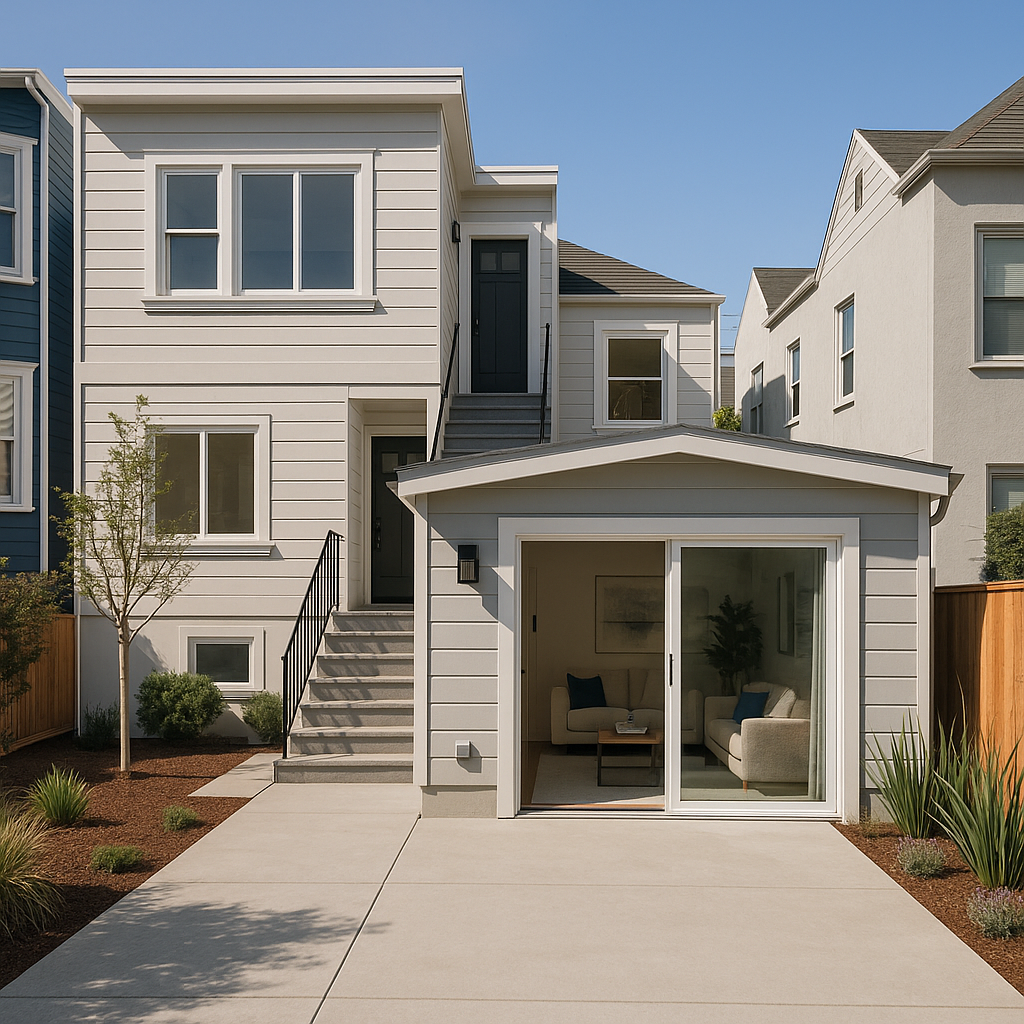
Maximize Your Space: ADUs & Garage Conversions in San Francisco
In the dynamic housing market of San Francisco, homeowners are increasingly turning to Accessory Dwelling Units (ADUs) and garage conversions to optimize their properties. These conversions not only provide additional living space but also enhance property value and meet the growing demand for versatile living arrangements. In this article, we will delve into the nuances of ADUs and garage conversions, with a special focus on utility upgrades that incorporate plumbing and electrical requirements, all while highlighting the integration of smart home technology with seismic and energy efficiency goals.
Understanding ADUs and Garage Conversions
Accessory Dwelling Units are secondary housing units located on a single-family residential lot. They can take various forms, such as converted garages, basement apartments, or standalone structures. Garage conversions involve transforming an existing garage into a livable space, which is an appealing option for many homeowners looking to maximize their existing footprint without the need for extensive new construction.
Local Regulations and Permits in San Francisco
Before embarking on an ADU or garage conversion project, it's crucial to understand the local regulations and permit requirements in San Francisco. The city has specific zoning laws and building codes that govern where and how ADUs can be constructed. Homeowners should consult the San Francisco Planning Department to get familiar with:
- Setback requirements
- Height restrictions
- Parking requirements
- Utility access and infrastructure
Working with a seasoned contractor who understands these regulations can streamline the approval process and help avoid costly delays.
Utility Upgrades for ADUs: Plumbing and Electrical Requirements
Once permits are secured, attention must be given to utility upgrades, particularly plumbing and electrical systems. These upgrades are essential for ensuring that your ADU not only meets current codes but also functions efficiently in a modern context. Here’s what to consider:
- Plumbing: Upgrading plumbing involves ensuring adequate water supply and drainage. Consider installing high-efficiency fixtures to enhance water conservation, aligning with San Francisco's sustainability goals.
- Electrical: Upgrading the electrical system is crucial for supporting modern appliances and smart home technology. This may include enhancing the electrical panel, adding new circuits, and ensuring grounding and bonding are up to code.
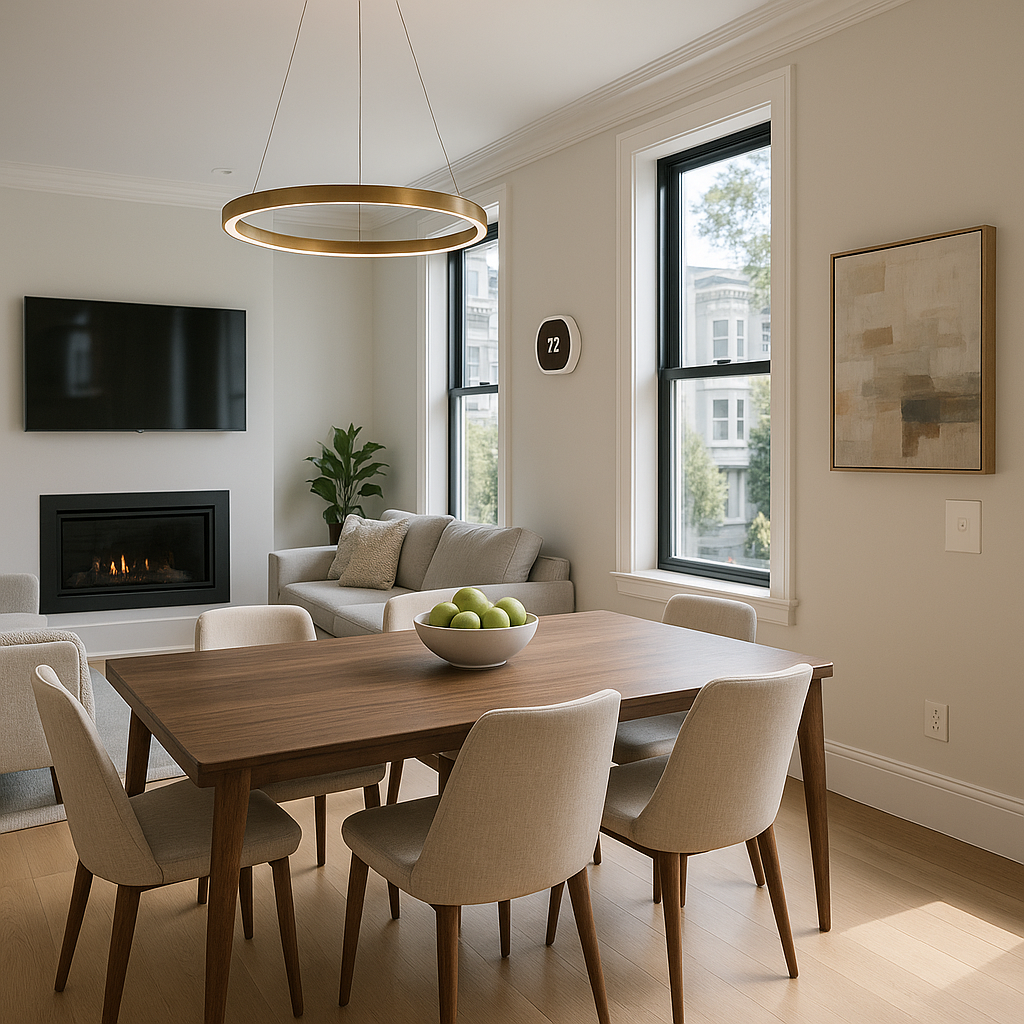
Incorporating smart home technology into these upgrades can significantly enhance the efficiency and safety of your ADU. Smart thermostats, automated lighting systems, and leak detection sensors not only create a more comfortable living environment but also contribute to energy savings, aligning with the city’s green building initiatives.
The Benefits of Smart Home Technology Integration
Integrating smart home technology into your ADU or garage conversion offers several advantages:
- Energy Efficiency: Smart devices can optimize energy use by allowing homeowners to monitor and control energy consumption remotely.
- Safety: Enhanced security systems, including smart locks and cameras, provide peace of mind without compromising convenience.
- Seismic Resilience: Advanced sensors can monitor structural integrity, providing alerts in the event of seismic activity, which is particularly important in the Bay Area.
Investing in these technologies can significantly increase the appeal of your ADU, making it a desirable option for potential renters or family members.
Choosing the Right Neighborhood for Your ADU
San Francisco is composed of diverse neighborhoods, each with its own character and appeal. Consider the following when choosing the ideal location for your ADU or garage conversion:
- Mission District: Known for its vibrant culture and accessibility, it attracts a younger demographic.
- Pacific Heights: Offers stunning views and a premium market that appeals to affluent renters.
- Outer Sunset: A quieter area that appeals to families and those seeking a suburban feel within the city.
Each neighborhood presents unique opportunities and challenges, so it is vital to conduct thorough research and consider local amenities, schools, and transportation options.
Conclusion
Embracing ADUs and garage conversions in San Francisco is a strategic way to enhance property value and meet the evolving needs of residents. By focusing on utility upgrades and integrating smart home technologies, homeowners can create functional, sustainable living spaces that are not only compliant with local regulations but also resilient to the challenges of our time. Whether you’re looking to create a stylish rental unit or a comfortable space for family, the potential is immense when you leverage the unique advantages of San Francisco’s housing market.
FAQs
Q: What are the first steps to plan adu & garage conversions in San Francisco?
A: Define scope/budget, check permitting, and set realistic trade/inspection sequencing.
Q: How long should I expect the work to take?
A: It depends on scope and inspections. Once selections and access are confirmed, we share a clear schedule.
Q: What can I do to control costs?
A: Avoid mid-stream changes, approve long-lead items early, and keep inspection milestones unblocked.
Search Blog
Recent Posts
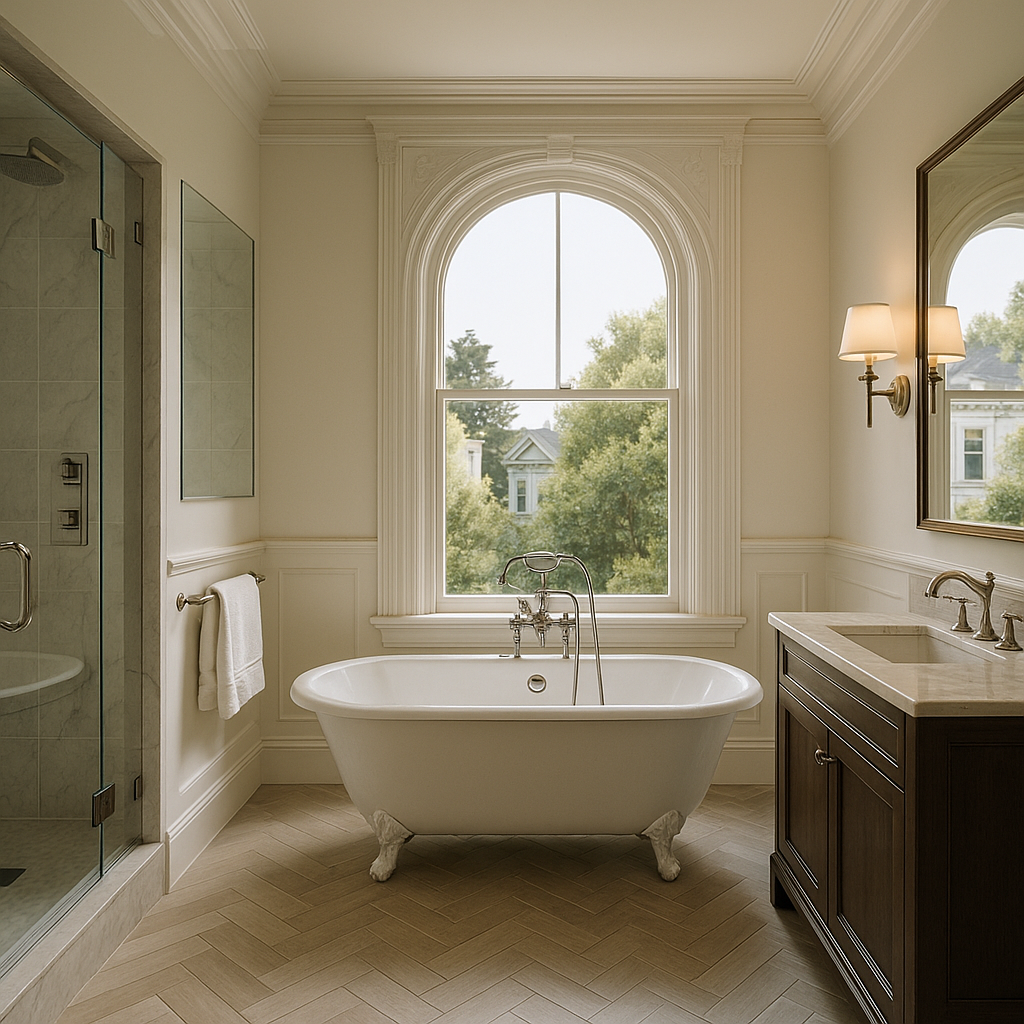
Bathroom Remodel Ideas for San Francisco Victorians
12 March, 2026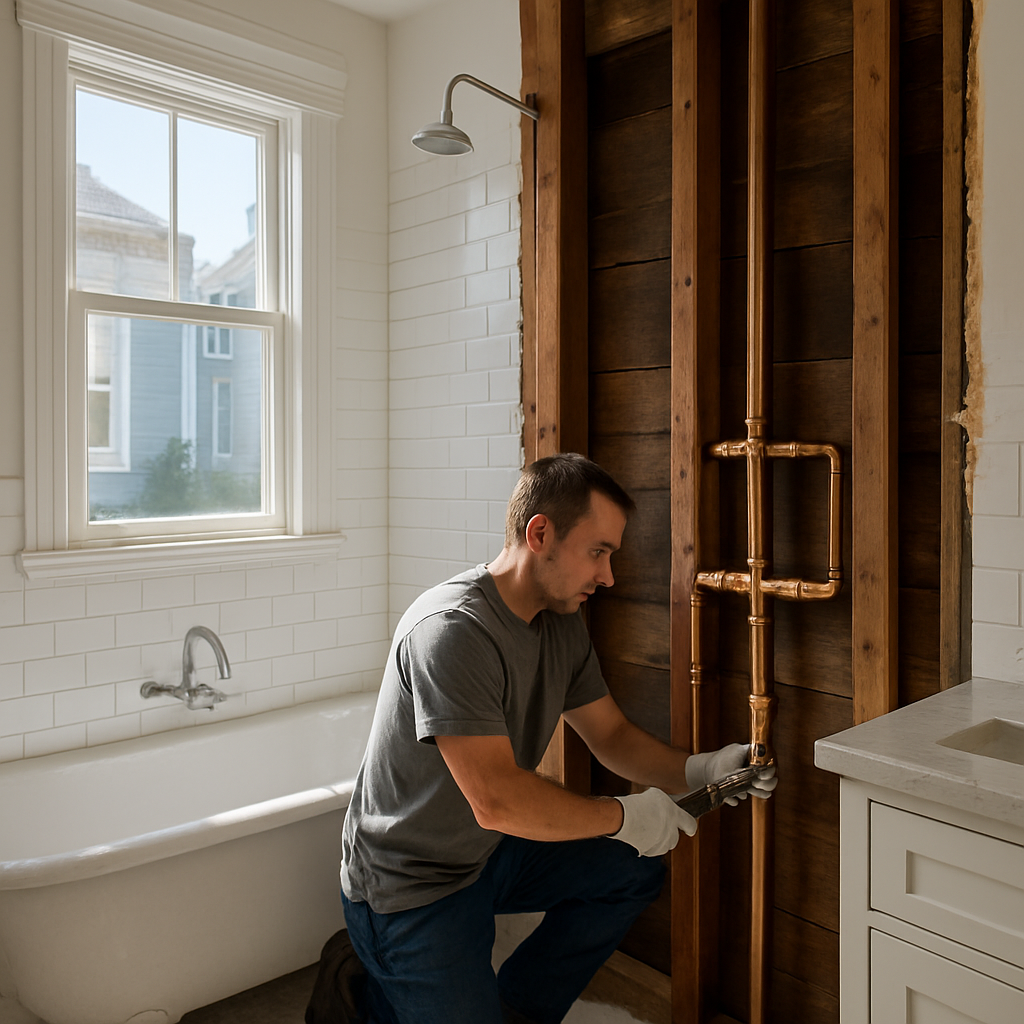
Smart Home Upgrades for San Francisco Properties
12 March, 2026
Categories



Location
The Richmond District, San Francisco, CA