
Wall-Mounted vs Floor-Mounted Toilets: A Comprehensive Comparison
7 April, 2026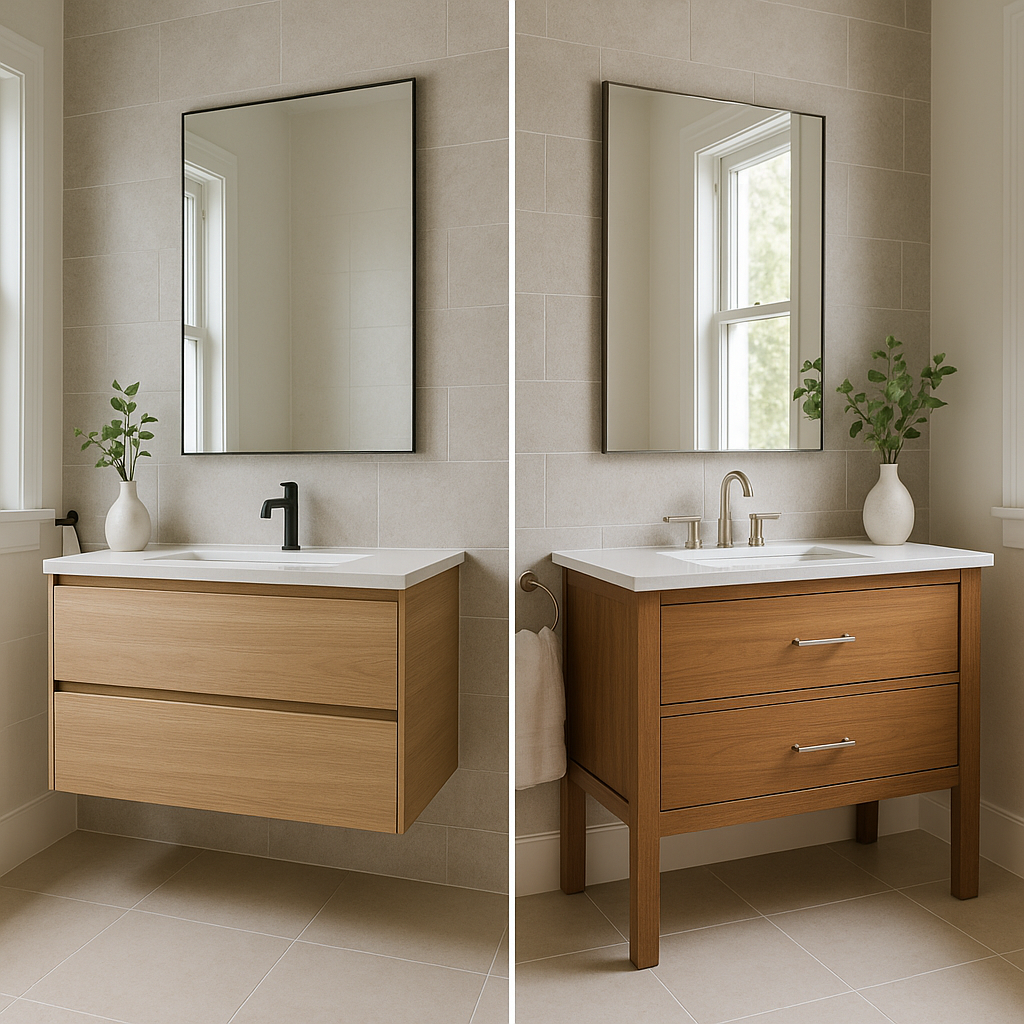
Floating vs Furniture-Style Bathroom Vanities: A Detailed Comparison for San Francisco Homes
Introduction
In the context of bathroom remodeling in San Francisco, selecting between floating and furniture-style bathroom vanities is crucial for optimizing both functionality and aesthetics. Floating vanities are wall-mounted, offering a contemporary look that enhances the perception of space, which is particularly beneficial in compact urban bathrooms. This design choice not only frees up floor space but also facilitates easier cleaning.
On the other hand, furniture-style vanities mimic traditional furniture, often featuring legs and a more substantial appearance. These vanities can infuse warmth and character into a bathroom, making them suitable for homes with historical architecture.
For homeowners in San Francisco, choosing the right vanity is vital, as local design trends often merge modern and classic elements. The unique character of the city influences these choices, encouraging homeowners to select vanities that reflect their personal style while adhering to regional aesthetics.
Moreover, the space constraints typical of urban living in San Francisco necessitate a thoughtful approach to vanity selection. Understanding the distinctions between floating and furniture-style vanities will empower homeowners to make informed decisions that cater to their specific needs and the limitations of their spaces.
When comparing floating and furniture-style bathroom vanities, several key differences emerge that can significantly impact your bathroom's functionality and aesthetics.
Mounting Methods and Their Implications
Floating vanities are wall-mounted, creating a sense of openness and making cleaning underneath easier. This mounting method is particularly advantageous in smaller San Francisco bathrooms where floor space is at a premium. In contrast, furniture-style vanities rest on the floor, providing a more traditional look that may suit older homes better but can complicate cleaning.
Space Utilization Advantages
Floating vanities excel in maximizing space, allowing for visual continuity that can make a room feel larger—an essential factor in tight urban settings like San Francisco. Furniture-style vanities, while often more substantial, can occupy more visual and physical space, which may not be ideal for smaller bathrooms.
Design Aesthetics
Floating vanities offer a sleek, modern aesthetic that aligns with contemporary design trends, while furniture-style vanities bring warmth and character, often complementing traditional or historical home styles. The choice between these two styles can significantly influence the overall ambiance of your bathroom.
Cleaning and Maintenance Requirements
Floating vanities are easier to clean due to their elevated design, allowing for straightforward access to the floor beneath. In contrast, furniture-style vanities may require more effort to maintain, especially if they feature intricate designs or are made from materials that need special care.
Durability and Material Considerations
Both styles can be constructed from durable materials, but floating vanities often utilize lighter materials to accommodate their mounting methods. Furniture-style vanities, on the other hand, can be made from heavier woods or materials, providing a sturdy feel but potentially complicating installation in older homes with existing plumbing and electrical systems.
When considering floating vs furniture-style bathroom vanities, it's essential to weigh the pros and cons of each option, especially in the context of San Francisco homes.
Pros of Floating Vanities
- Space Efficiency: Floating vanities are ideal for small bathrooms, as they create an illusion of more space and allow for easier cleaning underneath.
- Modern Aesthetic: Their sleek design aligns well with contemporary trends, making them a popular choice for modern San Francisco homes.
Cons of Floating Vanities
- Installation Complexity: Installing a floating vanity can be more complicated, requiring secure wall mounting and potentially additional reinforcement, which may pose challenges in older buildings.
Pros of Furniture-Style Vanities
- Traditional Appeal: Furniture-style vanities offer a classic look that can enhance the charm of historical homes, making them a fitting choice for many San Francisco residences.
Cons of Furniture-Style Vanities
- Space Consumption: These vanities can take up more visual and physical space, which may not be ideal for smaller bathrooms.
- Modern Design Limitations: Their traditional style may clash with modern aesthetics, limiting design flexibility.
Long-Term Maintenance Considerations
Both styles require maintenance, but floating vanities often allow for easier cleaning due to their elevated design. Furniture-style vanities may need more attention, especially if they feature intricate details or are made from materials that require special care.
When selecting between floating and furniture-style bathroom vanities in San Francisco, it's essential to consider how each style aligns with various home designs. Floating vanities are particularly compatible with modern homes, where their sleek lines and minimalist aesthetic enhance contemporary spaces. This style creates an illusion of more room, making it ideal for the compact bathrooms typical in urban settings.
In contrast, furniture-style vanities are well-suited for historical homes, adding warmth and character that complements traditional architectural features. Their substantial appearance can anchor a bathroom's design, making them a favored choice for older residences with intricate details and classic styles.
Space considerations are crucial in San Francisco, where many bathrooms are compact. Floating vanities maximize floor space, allowing for better flow and accessibility, while furniture-style options may require careful placement to avoid overwhelming smaller areas. For instance, a floating vanity can create a sense of openness in a tight bathroom, while a furniture-style vanity can provide a grounding element in a larger, more traditional space.
Architectural features significantly impact vanity selection. Homes with high ceilings may benefit from the verticality of floating vanities, enhancing the sense of space, whereas those with lower ceilings might find that furniture-style vanities provide a more cohesive look. Successful installations in local homes illustrate these principles: a modern condo in SoMa features a floating vanity that enhances its sleek design, while a Victorian home in the Haight-Ashbury area showcases a beautifully crafted furniture-style vanity that complements its historic charm.
How to Choose the Right One
When deciding between floating and furniture-style bathroom vanities for your San Francisco home, several specific criteria should guide your choice.
Budget Considerations
Evaluate your budget within the San Francisco market, where installation costs for floating vanities may be higher due to their mounting requirements. Furniture-style options can vary widely in price based on materials and craftsmanship, so consider both initial costs and long-term value.
Style Compatibility
Consider how each style aligns with your existing decor. Floating vanities often suit modern aesthetics, while furniture-style vanities enhance traditional or historical designs. Choose a vanity that complements your home’s character, especially given the unique architectural styles found in San Francisco.
Functional Needs
Assess your functional needs based on bathroom usage patterns. For busy households, a vanity that offers ample storage and surface area is crucial. Floating vanities provide a sleek look with space-saving benefits, while furniture-style options may offer more storage capacity, catering to different lifestyle needs.
Local Building Codes
Be aware of local building codes and regulations that may affect vanity installation. Floating vanities require secure wall mounting, which must comply with safety standards, particularly in older homes with unique plumbing and electrical systems that may complicate installation.
Space Assessment
Finally, assess your bathroom’s space and layout. Measure the area to ensure that the chosen vanity fits comfortably without overcrowding the room. Floating vanities can create an illusion of more space, making them ideal for compact bathrooms, while furniture-style vanities may need careful placement to maintain flow and accessibility.
Conclusion
In summary, the choice between floating and furniture-style bathroom vanities is defined by key differences that cater to the unique needs of San Francisco homeowners. Floating vanities provide a modern, space-saving solution ideal for compact urban bathrooms, enhancing the perception of space and facilitating cleaning. In contrast, furniture-style vanities offer a traditional aesthetic that complements historical homes, adding warmth and character.
For modern condos, floating vanities can enhance sleek designs and create an illusion of more space. Conversely, homeowners in older residences may find that furniture-style vanities align better with their architectural features, providing a grounding element in their bathrooms.
As you evaluate your options, consider local design trends that blend modern and classic elements, ensuring your choice reflects both style and functionality. Remember, the right vanity should not only enhance your bathroom's aesthetics but also meet your practical needs. We encourage you to contact Heidi's House Construction for personalized advice tailored to your specific requirements and home style. Making an informed decision will ensure your bathroom serves your lifestyle effectively while adhering to the unique character of San Francisco homes.
FAQs
What is the difference between Floating and Furniture-style Bathroom Vanities in San Francisco?
The main differences usually come down to space planning, installation details, maintenance, and the finished look. In many San Francisco homes, the better choice depends on the room size, the existing plumbing or framing, and how much storage or floor clearance the homeowner wants.
Which is better for my home: Floating or Furniture-style Bathroom Vanities?
Neither option is universally better. Floating may be the stronger fit when its specific strengths match the room and budget, while Furniture-style Bathroom Vanities can be the better choice when layout, storage, cleaning, or installation constraints point the other way. The best decision comes from matching the option to the actual space rather than picking on looks alone.
What should I compare before choosing between Floating and Furniture-style Bathroom Vanities?
Compare the footprint, rough-in or support requirements, ease of cleaning, maintenance access, and how each option fits the style and function of the room. In San Francisco homes, wall conditions, floor conditions, and existing utility locations can also affect which option is easier and smarter to install.
Search Blog
Recent Posts

Smart Home Upgrades for San Francisco Properties
30 March, 2026
Kitchen Renovation Tips for San Francisco Homes
30 March, 2026
Bathroom Remodel Ideas for San Francisco Victorians
30 March, 2026Categories



Location
The Richmond District, San Francisco, CA