
Kitchen Renovation Tips for San Francisco Homes
12 March, 2026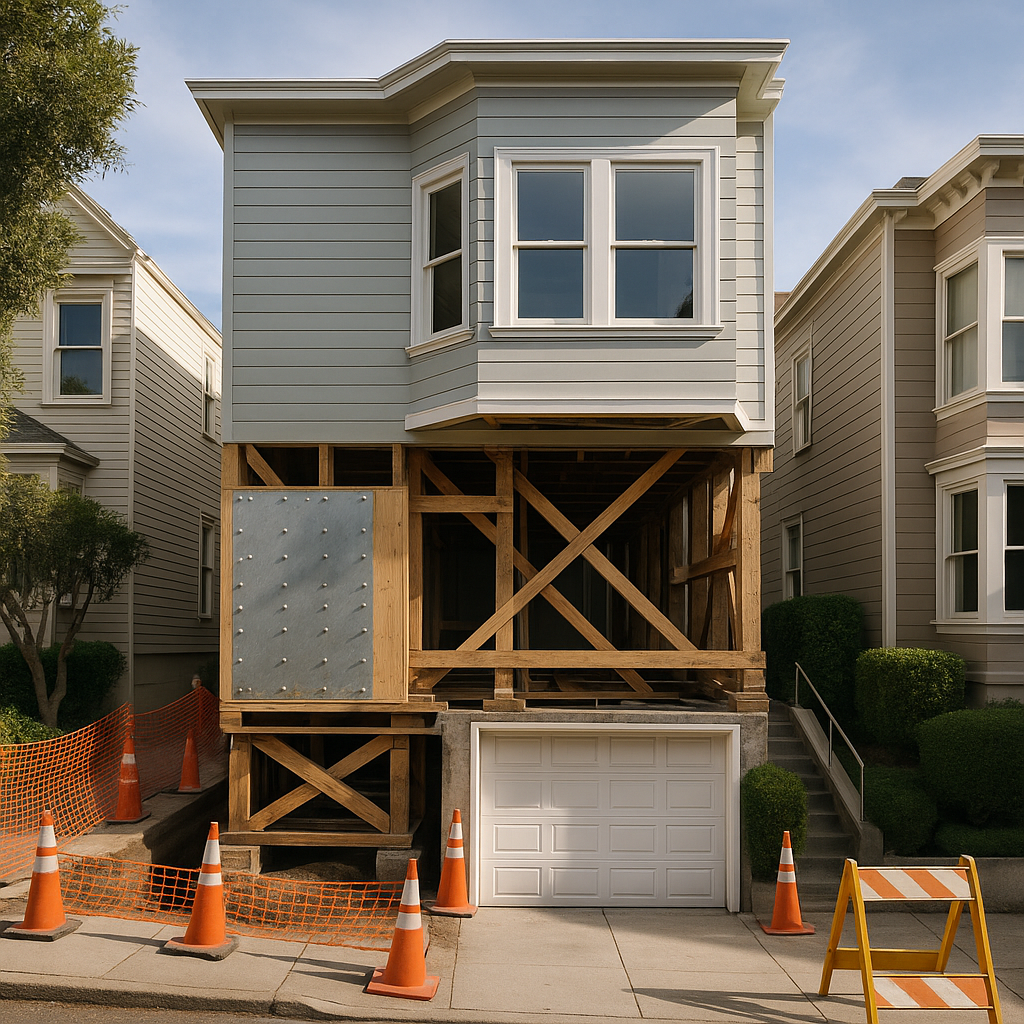
Essential Guide to Noe Valley Earthquake Retrofits for San Francisco Homeowners
Homeowners in San Francisco know that living in a vibrant neighborhood like Noe Valley comes with its unique charm—and its risks. One of the most significant risks is seismic activity. Understanding how to fortify your home can prevent catastrophic damage in the event of an earthquake. This guide provides essential insights into earthquake retrofits, focusing specifically on sill plate anchors and shear layout at the perimeter.
Understanding Earthquake Retrofitting in Noe Valley
Noe Valley's older homes, built predominantly before modern seismic codes were established, require special attention. Earthquake retrofitting involves reinforcing your home to better withstand seismic forces. This process not only protects your investment but also enhances the safety of your family.
The Role of Sill Plate Anchors
Sill plate anchors are crucial in securing your home's foundation to the frame. In Noe Valley, where soil types may vary across neighborhoods, proper anchoring can prevent your house from shifting during an earthquake. Here’s why these anchors are vital:
- Stability: Sill plate anchors help maintain the structural integrity of your home by connecting the sill plate to the foundation.
- Compliance: Ensuring your home meets local building codes is essential. In San Francisco, retrofitting solutions often require permits that specify the use of proper anchoring methods.
- Cost-Effectiveness: Investing in sill plate anchors can save you from extensive repair costs in the event of an earthquake.
Shear Layout at the Perimeter
The shear layout is another integral aspect of earthquake retrofitting. This involves distributing loads throughout your walls to enhance stability. For Noe Valley homes, a well-planned shear layout can make a significant difference. Consider the following:
- Load Distribution: With proper shear wall placement, the load during seismic activity is more evenly distributed, reducing stress on any single point.
- Wind Resistance: A good shear layout supports your home not just during earthquakes but also helps withstand wind forces common in the Bay Area.
- Customization: Each home has its unique characteristics based on its age and construction. A professional assessment can lead to a tailored shear layout that suits your specific needs.
Timeline Management for Retrofits
When it comes to retrofitting your Noe Valley home, managing your timeline is crucial. Here is a typical step-by-step process to ensure you stay on track:
- Consultation: Start with an assessment from a certified contractor familiar with San Francisco’s building codes and microclimates.
- Permits: Secure the necessary permits. In Noe Valley, you may need to meet specific requirements set by the San Francisco Department of Building Inspection.
- Design: Work with your contractor to create a design plan that incorporates sill plate anchors and shear layout effectively.
- Implementation: Schedule the retrofit work. Ideally, plan this for a dry season to avoid disruptions due to rain.
- Final Inspection: Once the work is completed, ensure that a final inspection is conducted to meet compliance and safety standards.
Choosing the Right Contractor in Noe Valley
Selecting a contractor with expertise in earthquake retrofitting is vital. Here are tips for finding the right professional:
- Experience: Look for contractors who have a proven track record with Noe Valley homes.
- Local Knowledge: A contractor familiar with the specific seismic challenges in your neighborhood can provide tailored solutions.
- References: Ask for references and reviews from previous clients to gauge their satisfaction and reliability.
By prioritizing earthquake retrofitting with a focus on sill plate anchors and shear layout, you not only enhance the safety of your home but also contribute to the resilience of the Noe Valley community. Don’t wait for the next seismic event to take action—plan ahead and ensure your home stands strong in the face of natural challenges.
FAQs
Q: What is an earthquake retrofit for a San Francisco home?
A: It usually means adding anchors, shear walls, and other structural ties so the building can better resist lateral quake forces.
Q: Are earthquake retrofits required in California?
A: Certain soft-story and multi-unit buildings are mandated under local ordinances, while many single-family homes do voluntary retrofits for risk reduction.
Q: How long does a typical residential retrofit take?
A: Most single-family projects run from a few days to a couple of weeks depending on scope, inspections, and how much of the perimeter is being reinforced.
Q: Can I stay in my home during the retrofit work?
A: Often yes, with brief periods of extra noise and vibration. We plan access, staging, and dust control so key rooms remain usable.
Q: How do permits and inspections work for seismic retrofits in SF?
A: We work with your engineer and DBI, submit drawings, and stage work so nailing, anchors, and hold-downs remain visible for inspection before closing up.
Search Blog
Recent Posts


Bathroom Remodel Ideas for San Francisco Victorians
12 March, 2026

Smart Home Upgrades for San Francisco Properties
12 March, 2026
Categories



Location
The Richmond District, San Francisco, CA