
Transform Your Richmond District Bathroom: A Homeowner’s Guide to Permits and Design
3 March, 2026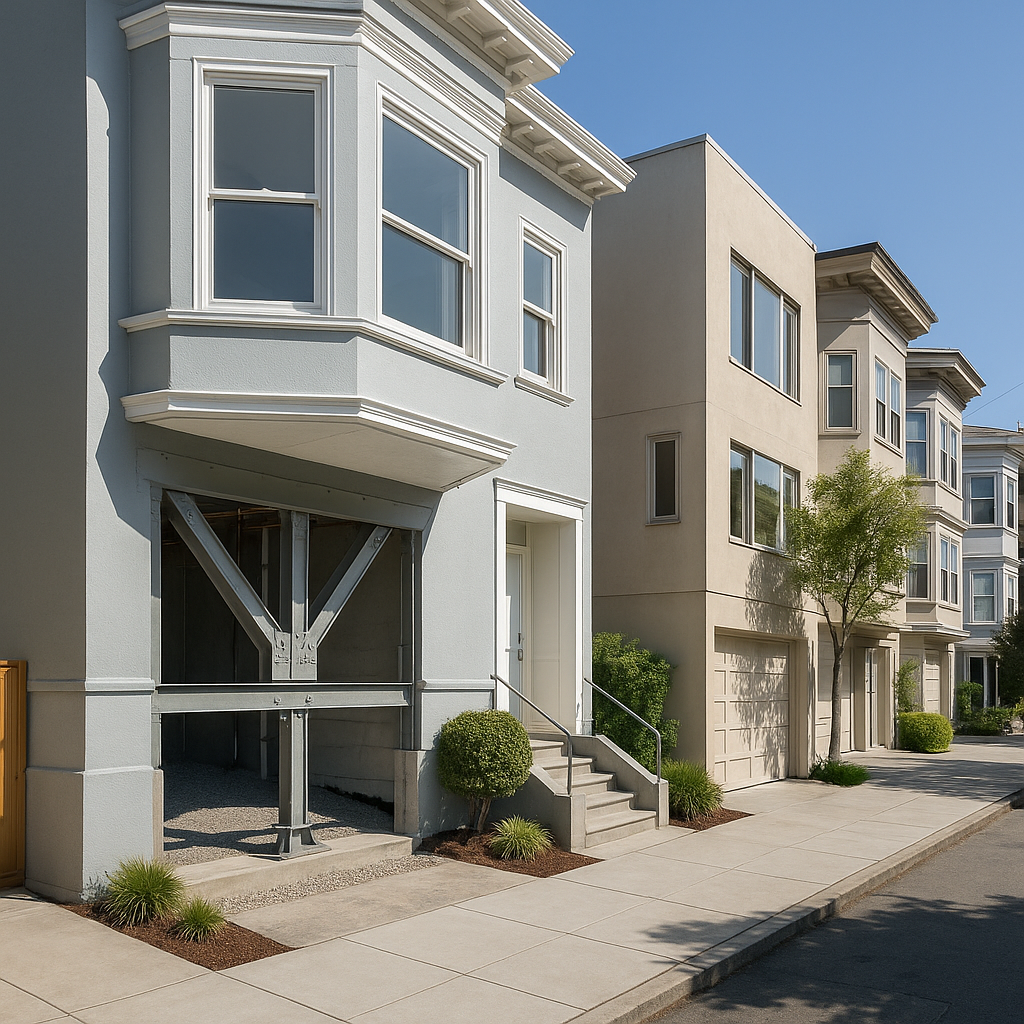
Essential Guide to Earthquake Retrofitting and Seismic Work in San Francisco
San Francisco is no stranger to earthquakes, making it a priority for homeowners to invest in earthquake retrofitting and seismic work. With the city's unique structural challenges, especially in areas with soft-story buildings, understanding the nuances of retrofitting is crucial for ensuring the safety of your home and its occupants.
Understanding Earthquake Retrofitting
Earthquake retrofitting involves strengthening a building's structure to withstand seismic activity. In San Francisco, this often means reinforcing foundations and upgrading soft-story buildings—those with parking spaces on the ground floor and living spaces above. Retrofitting can significantly reduce the risk of structural failure during an earthquake.
Key Seismic Work Requirements in San Francisco
The city has established specific codes and regulations that govern seismic retrofitting. Homeowners should familiarize themselves with the following:
- San Francisco Building Code: This code outlines the standards for seismic safety, including requirements for materials and structural integrity.
- Soft-Story Ordinance: Buildings that fall under this ordinance must meet specific retrofitting requirements to enhance stability.
- Permit Acquisition: Retrofitting projects require permits. Homeowners should check with the San Francisco Department of Building Inspection for the latest guidelines.
Costs and Timelines for Earthquake Retrofit Projects
When it comes to earthquake retrofit costs and timelines in San Francisco, several factors come into play. On average, homeowners can expect to pay anywhere from $10,000 to $30,000, depending on the complexity of the project and the materials used.
Timelines for retrofitting projects typically range from a few weeks to several months. Key factors influencing this duration include:
- Extent of Work: More extensive renovations will naturally take longer.
- City Approval: The permitting process can add time, so early engagement with city officials is advisable.
- Weather Conditions: San Francisco’s microclimates can affect construction schedules, particularly during the rainy season.
Material and Product Selection Criteria
Choosing the right materials for your earthquake retrofit is critical. Below are some key considerations:
- Strength and Durability: Opt for high-strength materials like steel beams and reinforced concrete to enhance structural integrity.
- Local Suppliers: Working with local suppliers not only supports the community but also ensures quicker delivery and compliance with local codes. Consider contacting Hercules Steel or Bay Area Concrete for materials.
- Cost-Effectiveness: While cheaper materials might save money upfront, investing in quality options can reduce future repair costs.
The Importance of Professional Guidance
Retrofitting is not a DIY project. Engaging a qualified structural engineer or a licensed contractor who specializes in seismic work is essential. They can provide insights tailored to your specific home and neighborhood, ensuring compliance with all local regulations.
Neighborhood Considerations in San Francisco
San Francisco’s diverse neighborhoods each present unique challenges and considerations for retrofitting. For instance:
- Mission District: Homes with older construction styles may need more extensive retrofitting.
- North Beach: Buildings here often face specific zoning laws that dictate retrofitting approaches.
- Pacific Heights: Wealthier homes may afford more advanced retrofitting technologies.
In conclusion, understanding the intricacies of earthquake retrofitting in San Francisco can help homeowners make informed decisions. By focusing on proper materials, engaging with local suppliers, and adhering to city regulations, you can enhance your home's safety and potentially increase its value.
FAQs
Q: What is an earthquake retrofit for a San Francisco home?
A: It usually means adding anchors, shear walls, and other structural ties so the building can better resist lateral quake forces.
Q: Are earthquake retrofits required in California?
A: Certain soft-story and multi-unit buildings are mandated under local ordinances, while many single-family homes do voluntary retrofits for risk reduction.
Q: How long does a typical residential retrofit take?
A: Most single-family projects run from a few days to a couple of weeks depending on scope, inspections, and how much of the perimeter is being reinforced.
Q: Can I stay in my home during the retrofit work?
A: Often yes, with brief periods of extra noise and vibration. We plan access, staging, and dust control so key rooms remain usable.
Q: How do permits and inspections work for seismic retrofits in SF?
A: We work with your engineer and DBI, submit drawings, and stage work so nailing, anchors, and hold-downs remain visible for inspection before closing up.
Search Blog
Recent Posts



Categories



Location
The Richmond District, San Francisco, CA