
Kitchen Renovation Tips for San Francisco Homes
12 March, 2026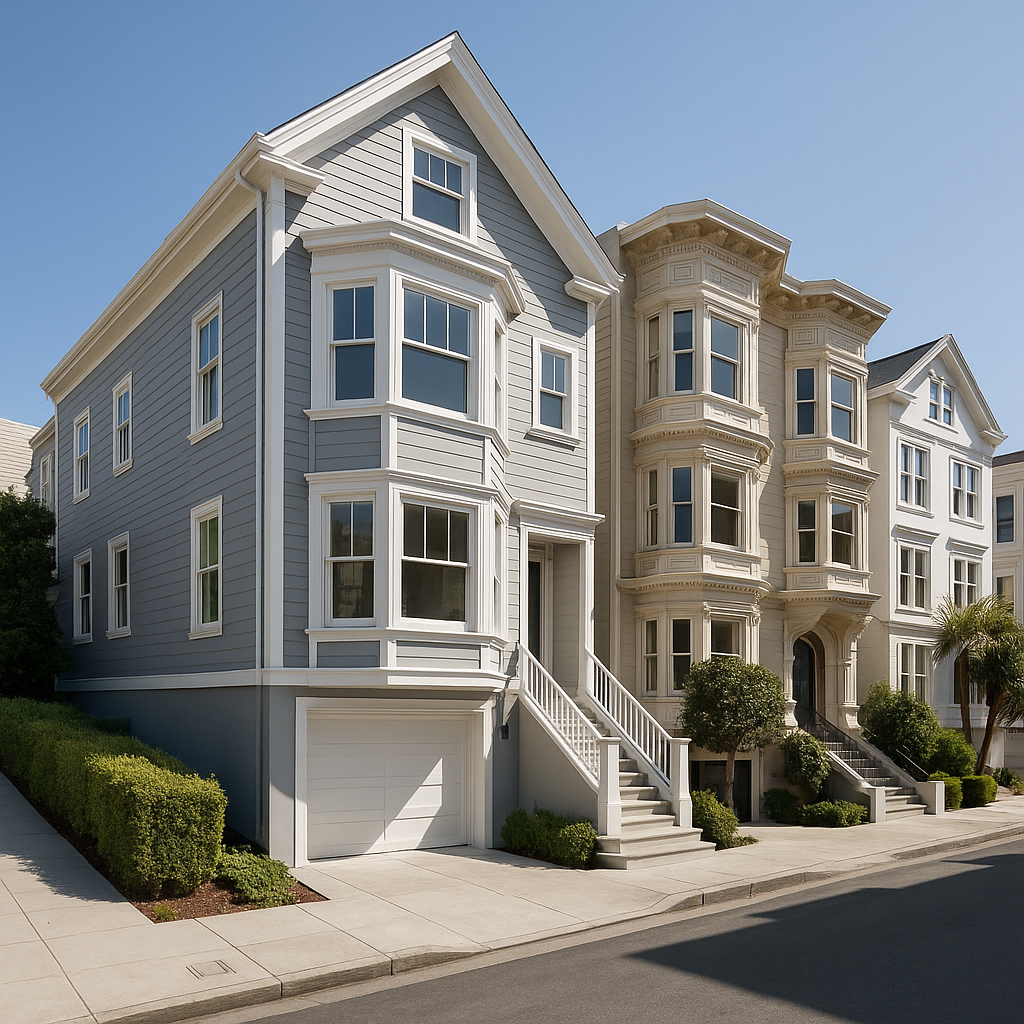
Essential Guide to Earthquake Retrofits in Pacific Heights: Avoiding Common Mistakes
In the heart of San Francisco, Pacific Heights is known for its stunning views and historic mid-century apartments. However, the region's seismic activity raises concerns for homeowners regarding structural safety. Earthquake retrofitting not only protects your home but also enhances its value. This guide details essential steps and common mistakes to avoid when retrofitting your Pacific Heights residence.
Understanding the Need for Earthquake Retrofits
Earthquake retrofitting involves reinforcing your home to better withstand seismic forces. In a neighborhood like Pacific Heights, where many buildings were constructed before modern seismic codes, retrofitting is crucial. An estimated 70% of San Francisco's older buildings require updates to meet today's safety standards. Homeowners should prioritize retrofits to protect their investments and safeguard their families.
Timeline Management: Planning Your Retrofit
Effective timeline management is vital for a successful retrofit. Start by assessing your building's current structural integrity. Here are the key steps to consider:
- Initial Assessment: Hire a structural engineer familiar with local building codes to evaluate your property.
- Design Phase: Based on the assessment, develop a retrofit plan that adheres to San Francisco's building codes.
- Permit Acquisition: Submit your plans to the San Francisco Department of Building Inspection. Expect this process to take between 2-6 weeks, depending on the complexity of your project.
- Contractor Selection: Engage a contractor experienced in retrofitting and familiar with the unique challenges of Pacific Heights.
- Retrofit Execution: Plan for the construction phase, which can vary in length but typically lasts 2-4 weeks.
Common Mistakes in Mid-Century Apartments
Mid-century apartments present unique challenges during retrofitting. Here are some common pitfalls to avoid:
- Ignoring Historical Integrity: Pacific Heights is rich in architectural history. Ensure that your retrofit maintains the building's character while enhancing safety.
- Overlooking Foundation Issues: Many mid-century apartments have foundation problems that can worsen during retrofitting. Address these issues early in your planning.
- Neglecting Neighboring Structures: Retrofitting affects not only your home but also neighboring properties. Communicate with your neighbors and consider how your project may impact them.
- Forgetting About Utilities: Make sure your retrofit plan considers the location of utilities, which could complicate construction.
Local Suppliers and Resources
Choosing the right suppliers is critical for the success of your retrofit project. Here are some local resources in the Bay Area to consider:
- McGuire and Hester: Specializing in construction and retrofitting, they are well-versed in local codes.
- Pacific Coast Builders: A contractor with experience in retrofitting mid-century homes in the San Francisco area.
- San Francisco Planning Department: For detailed information on permits and zoning regulations.
Staying Informed: Seismic Codes and Updates
Being aware of evolving seismic codes is essential for homeowners in Pacific Heights. Stay updated with the San Francisco Department of Building Inspection, which frequently revises regulations in response to seismic research. Regular attendance at local council meetings can also provide insights into upcoming changes that may affect your home.
Final Thoughts on Earthquake Retrofitting
Retrofitting your Pacific Heights home for earthquakes is both a protective measure and an investment in its future. By carefully managing your timeline and avoiding common pitfalls, you can ensure a smooth retrofit process. Remember to work with experienced professionals who understand the unique challenges of mid-century apartments in San Francisco. With the right approach, you can enhance your home's safety and resilience against seismic events.
FAQs
Q: What is an earthquake retrofit for a San Francisco home?
A: It usually means adding anchors, shear walls, and other structural ties so the building can better resist lateral quake forces.
Q: Are earthquake retrofits required in California?
A: Certain soft-story and multi-unit buildings are mandated under local ordinances, while many single-family homes do voluntary retrofits for risk reduction.
Q: How long does a typical residential retrofit take?
A: Most single-family projects run from a few days to a couple of weeks depending on scope, inspections, and how much of the perimeter is being reinforced.
Q: Can I stay in my home during the retrofit work?
A: Often yes, with brief periods of extra noise and vibration. We plan access, staging, and dust control so key rooms remain usable.
Q: How do permits and inspections work for seismic retrofits in SF?
A: We work with your engineer and DBI, submit drawings, and stage work so nailing, anchors, and hold-downs remain visible for inspection before closing up.
Search Blog
Recent Posts

Bathroom Remodel Ideas for San Francisco Victorians
12 March, 2026
Smart Home Upgrades for San Francisco Properties
12 March, 2026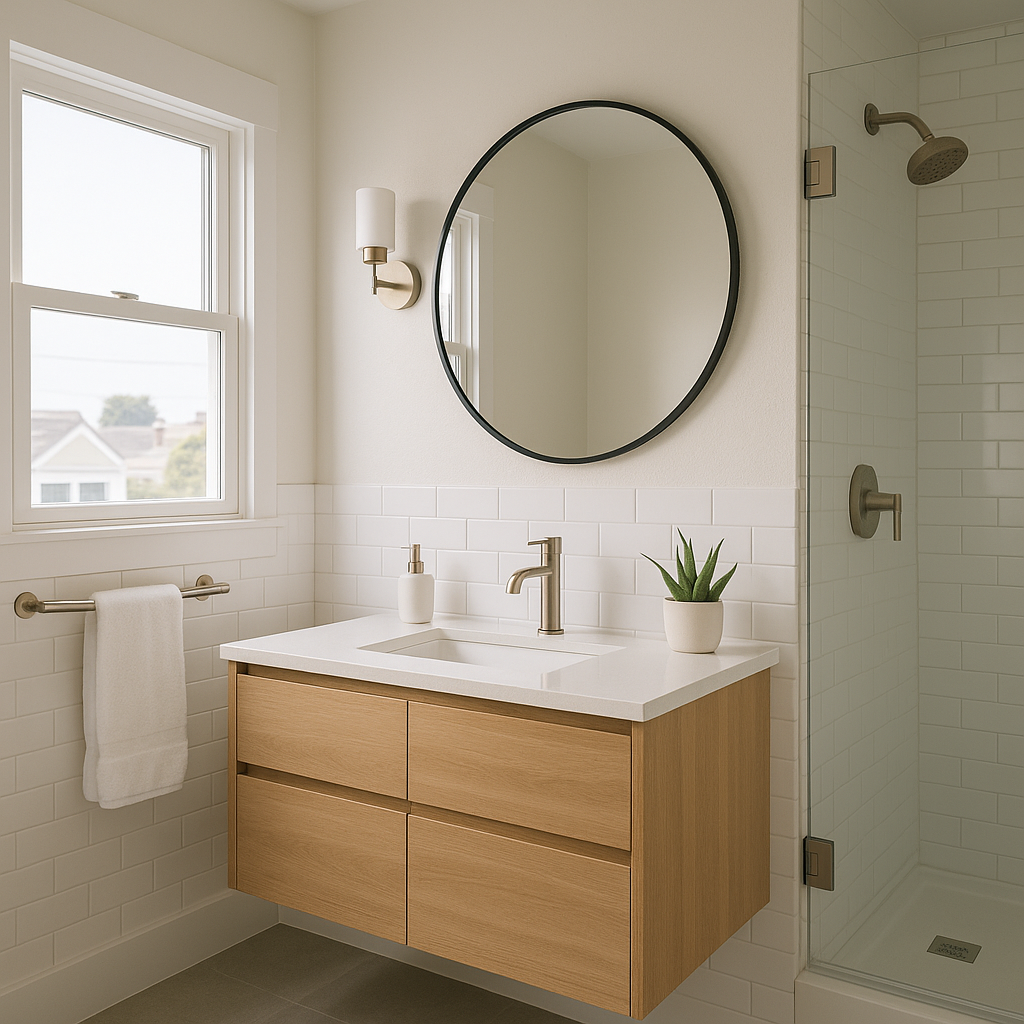
Categories



Location
The Richmond District, San Francisco, CA