
Kitchen Renovation Tips for San Francisco Homes
12 March, 2026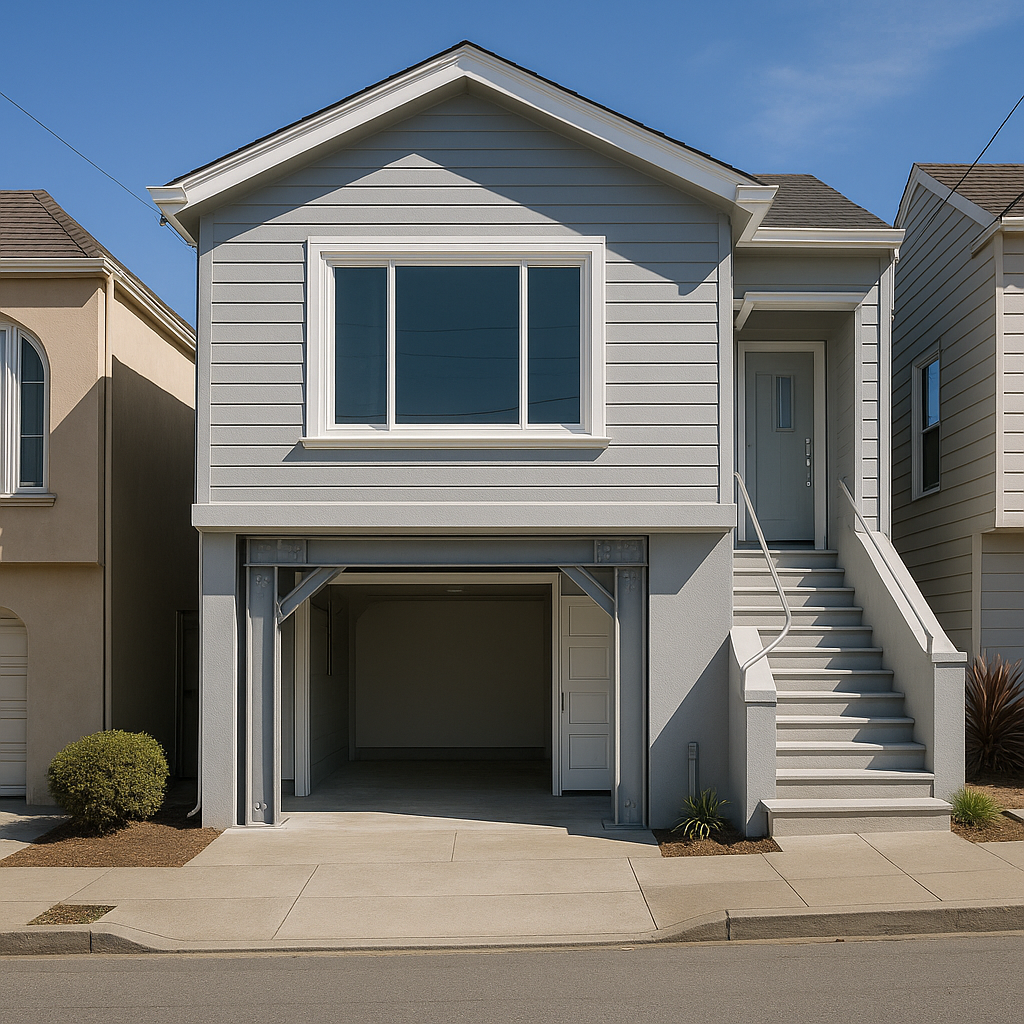
Essential Earthquake Retrofits for Sunset District Homeowners: Focus on Cost-Effective Solutions
Homeowners in the Sunset District of San Francisco are increasingly aware of the seismic risks their properties face. With the region's history of earthquakes, understanding and implementing effective earthquake retrofits is crucial. This guide focuses on budget planning, cost trade-offs, and essential retrofitting practices, particularly emphasizing load-path continuity and diaphragm ties.
Understanding Earthquake Risks in the Sunset District
The Sunset District, characterized by its unique microclimate and coastal geography, faces specific seismic challenges. Older homes, especially those constructed before the 1980s, often lack the structural reinforcements necessary to withstand earthquakes. It’s critical for homeowners to evaluate their properties and consider retrofitting as a proactive measure.
Load-Path Continuity: Why It Matters
Load-path continuity refers to a building’s ability to transfer seismic forces from the roof through walls and into the foundation. Inadequate connections between structural elements can lead to significant damage during an earthquake. For homeowners in the Sunset District, ensuring load-path continuity is essential to protect your investment and enhance safety.
- Connect roof sheathing to the rafters using proper fasteners.
- Use metal connectors to link walls and floors effectively.
- Inspect and reinforce connections to the foundation for optimal stability.
Diaphragm Ties: Strengthening Your Home's Structure
Diaphragm ties are essential for ensuring that the floors and roofs of a structure work together during seismic activity. By connecting these elements, diaphragm ties help distribute the seismic forces evenly, minimizing the risk of collapse. Homeowners should consider the following when evaluating diaphragm ties:
- Assess the existing connections between floors and walls.
- Implement additional ties where necessary to enhance overall structural integrity.
- Consult with a qualified contractor to ensure compliance with local building codes.
Budget Planning for Earthquake Retrofits
Planning an earthquake retrofit can feel overwhelming, particularly when it comes to budgeting. Homeowners should consider both the immediate costs and the long-term investment in safety and property value. Here are some key strategies for effective budget planning:
- Obtain Multiple Quotes: Always get estimates from several contractors to compare costs and services.
- Prioritize Essential Upgrades: Focus on retrofits that address load-path continuity and diaphragm ties first, as these are crucial for safety.
- Take Advantage of Local Resources: Utilize local resources, such as the San Francisco Department of Building Inspection, which offers guidance on permits and codes.
Understanding Permits and Compliance in San Francisco
All retrofitting projects in San Francisco must comply with local building codes. Before starting any work, homeowners should apply for the necessary permits through the San Francisco Department of Building Inspection. Engaging with a licensed contractor familiar with San Francisco's regulations can help ensure compliance and streamline the approval process.
Cost Trade-Offs: Balancing Quality and Budget
When planning earthquake retrofits, homeowners must weigh the costs of materials and labor against the potential long-term benefits. While opting for lower-cost solutions might seem appealing, investing in high-quality materials and experienced contractors can lead to significant savings in repairs and insurance costs down the line. Some trade-offs to consider include:
- Material Choices: While premium materials may cost more upfront, they often provide better performance during seismic events.
- Labor Costs: Skilled labor may come at a premium, but their expertise can prevent costly mistakes.
Conclusion and Next Steps for Sunset District Homeowners
In the face of seismic risks, retrofitting your home in the Sunset District is not just a safety measure but also a smart investment. By prioritizing load-path continuity and diaphragm ties, and planning a realistic budget, homeowners can effectively protect their properties. Take the first step today by consulting with local contractors and assessing your home’s retrofit needs.
FAQs
Q: What is an earthquake retrofit for a San Francisco home?
A: It usually means adding anchors, shear walls, and other structural ties so the building can better resist lateral quake forces.
Q: Are earthquake retrofits required in California?
A: Certain soft-story and multi-unit buildings are mandated under local ordinances, while many single-family homes do voluntary retrofits for risk reduction.
Q: How long does a typical residential retrofit take?
A: Most single-family projects run from a few days to a couple of weeks depending on scope, inspections, and how much of the perimeter is being reinforced.
Q: Can I stay in my home during the retrofit work?
A: Often yes, with brief periods of extra noise and vibration. We plan access, staging, and dust control so key rooms remain usable.
Q: How do permits and inspections work for seismic retrofits in SF?
A: We work with your engineer and DBI, submit drawings, and stage work so nailing, anchors, and hold-downs remain visible for inspection before closing up.
Search Blog
Recent Posts


Bathroom Remodel Ideas for San Francisco Victorians
12 March, 2026

Smart Home Upgrades for San Francisco Properties
12 March, 2026
Categories



Location
The Richmond District, San Francisco, CA