
Do You Really Need a Kitchen Island?
7 April, 2026
Do You Really Need a Kitchen Island?
Introduction
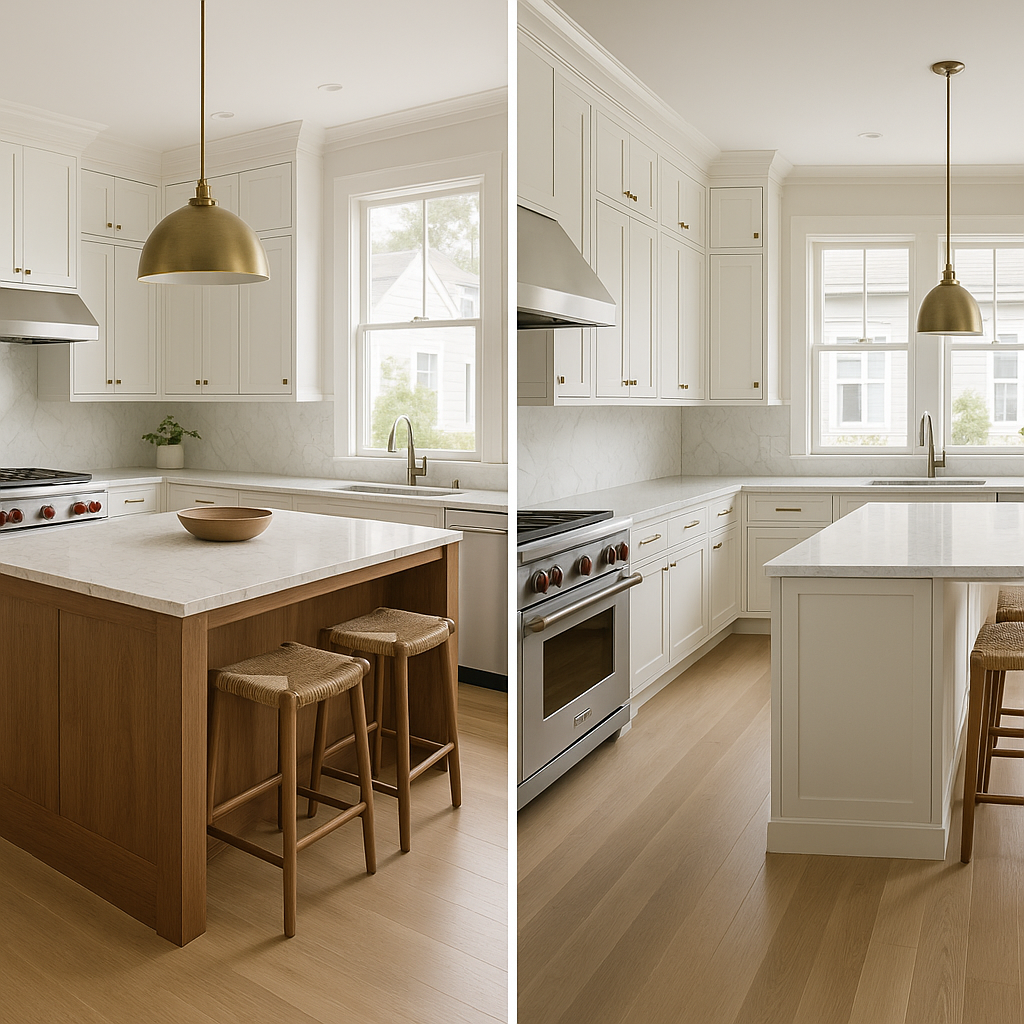
A kitchen island is defined as a freestanding counter space that enhances the functionality of a kitchen, serving as a hub for cooking, dining, and socializing. In San Francisco, where space is often limited, the relevance of a kitchen island is a pressing question for homeowners.
Current trends in San Francisco kitchens show a preference for islands that maximize utility while complementing the urban aesthetic. Homeowners are increasingly choosing designs that offer additional storage and seating for entertaining, making the island a focal point in their culinary spaces.
However, the benefits of a kitchen island must be carefully weighed against potential drawbacks in urban settings. While they can enhance functionality and visual appeal, challenges such as traffic flow and aisle clearances are critical considerations in compact kitchens. Additionally, storage limitations and the need to adhere to local building codes can complicate the decision. Ultimately, evaluating how a kitchen island fits into your lifestyle and the specific constraints of your San Francisco home is essential.
When considering whether to install a kitchen island in your San Francisco home, several key decision factors must be evaluated to ensure the best fit for your space and lifestyle.
Aisle Clearances
First, adhere to aisle clearances based on local building standards. In compact urban kitchens, maintaining a minimum clearance of 42 inches around the island is crucial for safe and efficient movement.
Traffic Flow
Next, consider the traffic flow. Small urban kitchens often experience high foot traffic, so positioning the island to facilitate easy movement is vital. Ensure it does not obstruct access to essential areas like the stove or refrigerator, allowing for a smooth cooking and dining experience.
Seating Tradeoffs
Seating is another important factor. While a kitchen island can provide additional seating for family and entertaining, it may also reduce available space for other kitchen activities. Assess your lifestyle needs to determine the right balance between seating and workspace.
Storage Options
Maximizing limited space is critical in San Francisco homes. Incorporate storage solutions within the island, such as cabinets or shelves, to enhance functionality without compromising on space. This can help keep your kitchen organized and clutter-free.
Integration with Existing Appliances
Lastly, ensure that the island integrates seamlessly with existing kitchen appliances. This not only improves the overall aesthetic but also enhances the efficiency of your kitchen workflow, making meal preparation and entertaining more enjoyable.
When considering a kitchen island, many San Francisco homeowners fall prey to misconceptions that can lead to costly mistakes. A common error is underestimating space requirements in compact layouts. In a city where square footage is at a premium, failing to account for adequate aisle clearances can result in a cramped kitchen that hinders movement.
Another frequent oversight is overlooking traffic flow in high-traffic areas. Positioning an island without considering how it affects the movement of family members or guests can create bottlenecks, making the kitchen less functional during busy times.
Homeowners often misjudge storage needs for urban lifestyles. While a kitchen island can provide additional storage, it must be designed thoughtfully to maximize utility without overwhelming the limited space available. This includes incorporating cabinets or shelves that cater to the unique demands of urban living.
Additionally, many ignore local building codes that affect island size, which can lead to non-compliance and potential fines. Understanding these regulations is crucial for a successful installation, ensuring that the island fits within legal parameters.
Lastly, there is a common assumption that all kitchen islands are multifunctional. However, not every design can accommodate cooking, dining, and storage effectively. Tailoring the island to fit specific needs is essential for maximizing its benefits in a San Francisco home.
When contemplating a kitchen island in San Francisco, homeowners must navigate a complex landscape of regulations and unique challenges that can significantly impact installation. First and foremost, specific permit requirements for kitchen renovations must be addressed, as these can vary based on the scope of work and neighborhood. Consulting with local authorities or contractors familiar with the process is essential.
Additionally, seismic considerations are paramount due to the city's location on active fault lines. Ensuring that any kitchen island is structurally sound and compliant with seismic safety standards is crucial for the safety of your home.
Historic building regulations also play a significant role in design choices. Many homes in San Francisco are subject to preservation laws that dictate how renovations can be carried out, particularly in historic districts. Homeowners must be aware of these regulations to avoid potential fines or mandated alterations.
Moreover, zoning laws may restrict island placement, affecting how and where an island can be installed within the kitchen layout. Understanding these laws is vital to ensure compliance and functionality.
Lastly, the impact of neighborhood associations on design approval cannot be overlooked. Many neighborhoods have specific aesthetic guidelines that must be adhered to, which can influence the design and placement of your kitchen island. By considering these factors, homeowners can make informed decisions that align with both their needs and local regulations.
How to Choose the Right Path
Deciding whether a kitchen island is suitable for your San Francisco home involves a careful assessment of your space and lifestyle. Start by assessing your kitchen layout with local dimensions in mind. Measure your available space to ensure that an island will fit comfortably without obstructing essential pathways, adhering to the local standard of maintaining a minimum clearance of 42 inches around the island.
Next, evaluate your lifestyle needs specific to urban living. Consider how often you entertain guests or cook for family, as these factors will influence the functionality you require from an island. If you frequently host gatherings, a larger island with seating may be beneficial, while a smaller space might necessitate a more compact design that does not impede traffic flow.
It's also crucial to consult with local contractors who are familiar with San Francisco regulations. They can provide insights into specific building codes, permit requirements, and seismic considerations that may affect your kitchen island installation, ensuring compliance with local laws.
Additionally, think about the future resale value of your home. A well-designed kitchen island can enhance appeal, but it’s important to ensure it aligns with market trends in your neighborhood, particularly in a competitive real estate market like San Francisco.
If an island isn't feasible due to space constraints or regulations, explore alternative solutions such as a mobile kitchen cart or a peninsula that can provide similar benefits without the permanence of an island. By following these steps, you can make an informed decision that meets your needs while adhering to the unique considerations of San Francisco homes.
Conclusion
In summary, determining the necessity of a kitchen island in your San Francisco home requires careful evaluation of specific factors. Start by assessing your aisle clearances to ensure safe movement around the island, adhering to local standards. Evaluate traffic flow in your compact kitchen, as high foot traffic can significantly impact functionality. Consider the seating tradeoffs and how much space you can dedicate to this feature versus other kitchen activities. Additionally, maximize storage options within the island to keep your kitchen organized and efficient.
As you reflect on these decision factors, remember that personalized kitchen design is essential. Each home has unique constraints and opportunities, particularly in San Francisco, where local regulations and historic considerations come into play. To navigate these complexities effectively, we encourage you to consult with Heidi's House Construction. Our team specializes in tailored kitchen solutions that align with your specific needs and local conditions.
Ultimately, whether you choose to install a kitchen island or explore alternative solutions, making an informed decision will enhance both the functionality and aesthetic of your home.
FAQs
What should homeowners know about do you really need a kitchen island in San Francisco?
The most important thing is to evaluate how the topic fits the actual room, the home's existing conditions, and the overall project goals. In San Francisco homes, older construction and existing utility locations often influence what is straightforward versus what becomes a bigger scope.
What is the most common challenge with do you really need a kitchen island?
The most common challenge is making the choice or improvement work cleanly with the existing layout, finishes, and building conditions. That is especially true when how to choose the right path affects other trades, sequencing, or hidden conditions behind walls or below floors.
When is the best time to plan do you really need a kitchen island?
It is best planned early, before materials are ordered and before demolition starts. That gives enough time to confirm dimensions, installation requirements, and whether the topic affects other design, permit, or trade decisions.




Location
The Richmond District, San Francisco, CA