
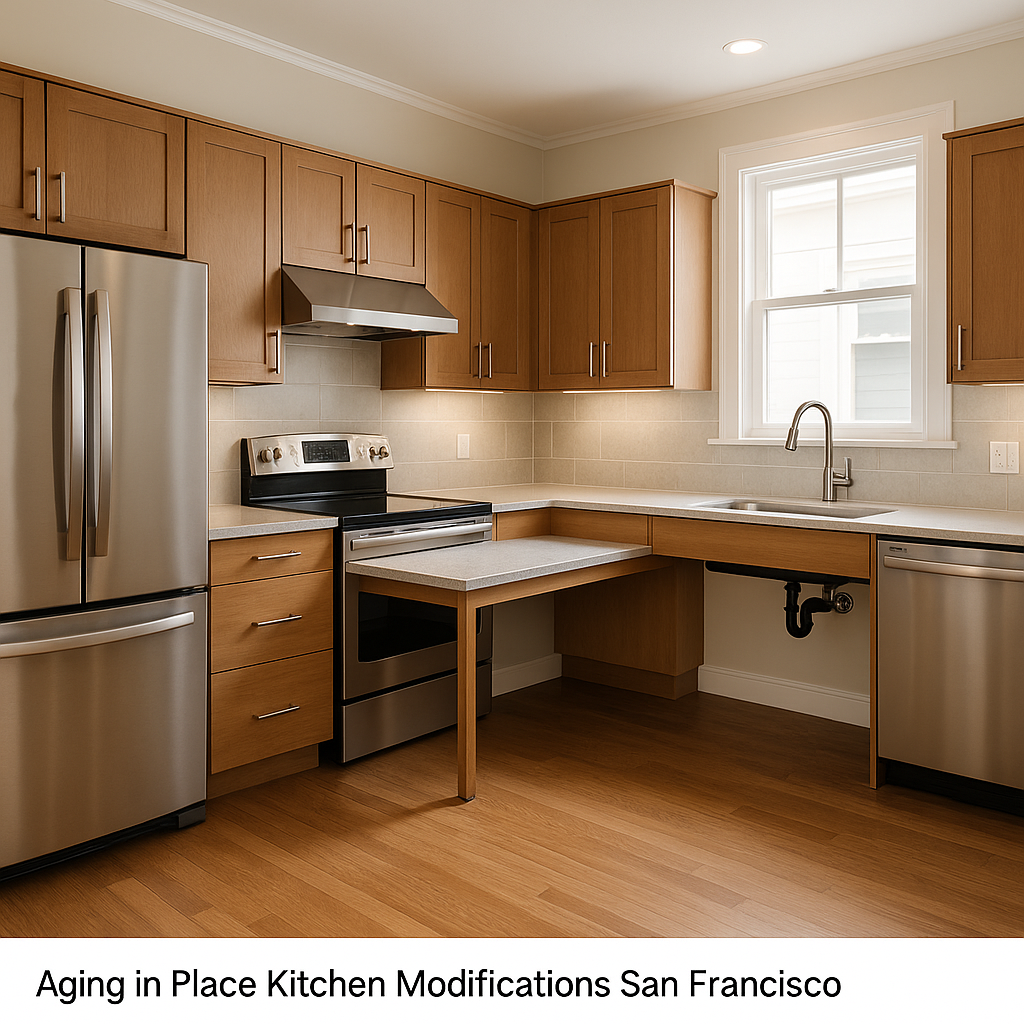
Aging in Place Kitchen Modifications in San Francisco
8 April, 2026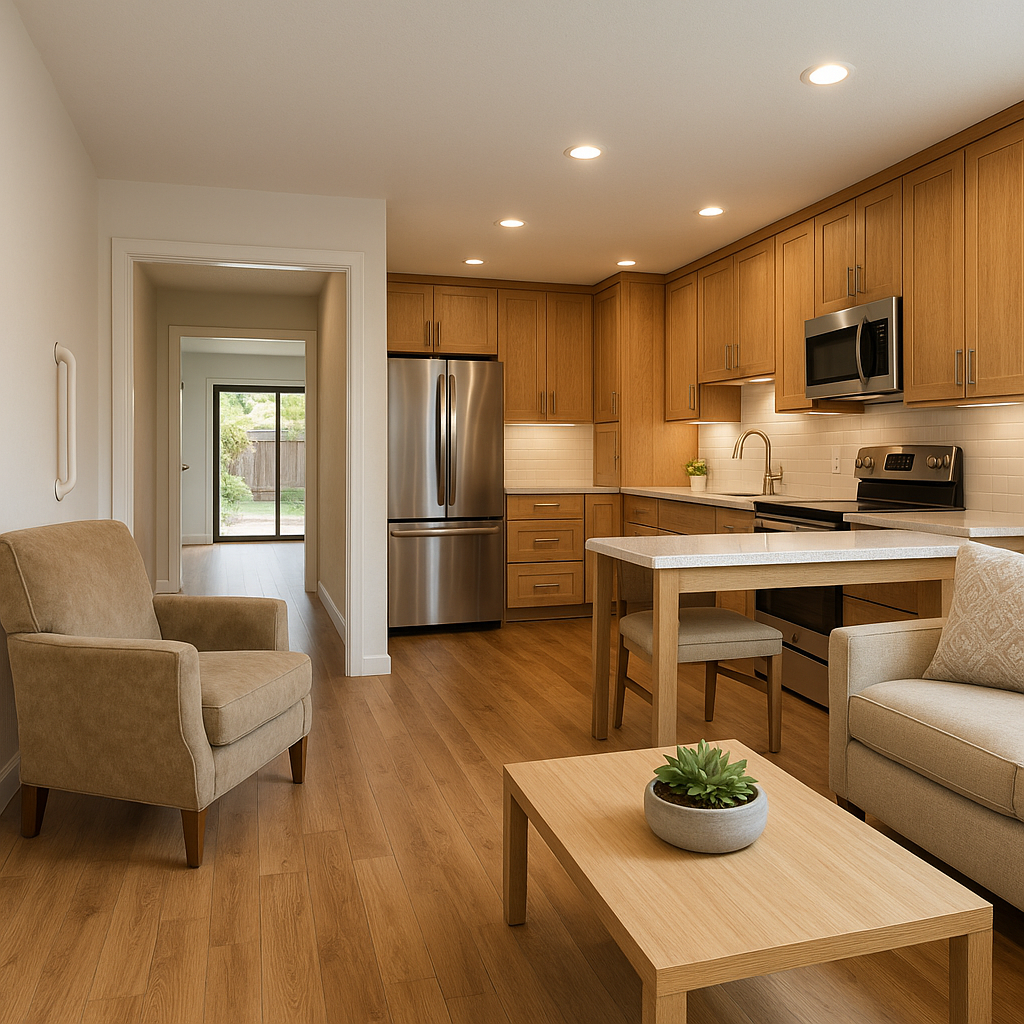
Aging in Place Remodeling in San Francisco: Complete Guide
Introduction
Aging in place remodeling is the practice of modifying a home to enable individuals to live independently and safely as they age. This concept is particularly important in San Francisco, where many homes are older and may not be equipped to meet the accessibility needs of aging residents. Enhancing accessibility is essential, as it allows for easier navigation within the home, accommodating mobility aids and ensuring that essential areas are reachable.
Safety is a critical consideration in aging in place remodeling. Implementing features such as grab bars, improved lighting, and slip-resistant surfaces can significantly reduce the risk of accidents, which is vital for maintaining the well-being of older adults. In the unique context of San Francisco, homeowners face challenges like narrow hallways and steep stairs, making thoughtful remodeling even more crucial to ensure a safe living environment.
By focusing on these aspects of aging in place, homeowners can create a supportive atmosphere that not only enhances mobility and safety but also preserves the character of their San Francisco homes. This guide will explore the various strategies and modifications that can transform a residence into a secure haven for aging individuals.
What Aging in Place Remodeling Means
Aging in place remodeling specifically addresses the modifications necessary for San Francisco homes to support residents as they age. This approach emphasizes accessibility and mobility, ensuring that homes are equipped to meet the needs of older adults. Essential features include wider doorways for wheelchair access, ramps for easy entry, and strategically placed grab bars in bathrooms and hallways to enhance safety.
In older San Francisco residences, unique safety considerations must be taken into account. Many homes feature steep staircases and narrow hallways that can create hazards for aging individuals. To mitigate these risks, it is crucial to incorporate slip-resistant flooring and improved lighting throughout the home. Additionally, ensuring that vital areas such as kitchens and bathrooms are easily accessible can significantly enhance the quality of life for older adults.
Ultimately, aging in place remodeling in San Francisco focuses on creating a safe and accessible living environment, allowing residents to maintain their independence while comfortably navigating their homes.
The Most Important Aging in Place Upgrades
When considering aging in place remodeling in San Francisco, several key upgrades can significantly enhance safety and accessibility within the home. These modifications not only improve the living environment but also address the unique challenges posed by older San Francisco homes.
Safer Access and Clearances
Ensuring safer access is paramount. This includes widening doorways and hallways to accommodate mobility aids, as well as installing ramps where necessary. Clearances should be evaluated to prevent obstacles that could pose risks for falls.
Lighting Improvements
Improved lighting is essential for enhancing visibility and reducing accidents. Consider installing brighter fixtures in hallways and staircases, and using motion-sensor lights to ensure that areas are well-lit when needed.
Grab Bar Backing
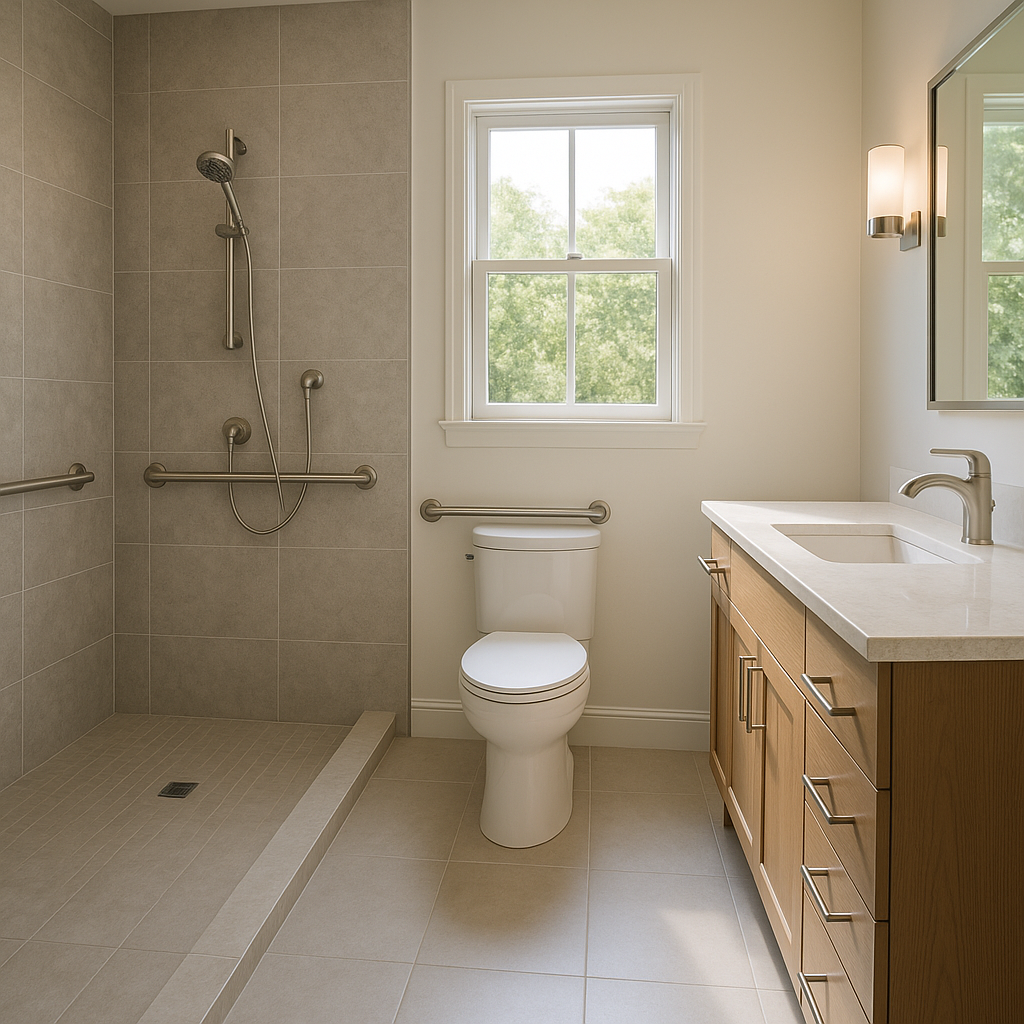
Incorporating grab bars in bathrooms and near staircases is crucial for providing support. Ensure that these bars are securely anchored to the wall, which is particularly important in older homes where wall integrity may vary.
Slip Resistance
Choosing slip-resistant flooring materials can greatly reduce the risk of falls. This is especially important in areas prone to moisture, such as bathrooms and kitchens.
Future Mobility Needs
Finally, consider future mobility needs when planning upgrades. This may involve installing features that can accommodate potential changes in mobility, such as wider hallways or a walk-in shower.
By focusing on these critical upgrades, homeowners can create a safe and accessible environment that supports aging in place while addressing the specific challenges of San Francisco's unique housing landscape.
How to Prioritize Upgrades in a San Francisco Home
When considering aging in place remodeling in San Francisco, it is essential to prioritize upgrades based on individual mobility needs, safety considerations, and the unique conditions of older homes. Each homeowner's situation is different, and understanding these factors can lead to more effective and tailored modifications.
Assessing Individual Mobility Needs
The first step in prioritizing upgrades is to assess the specific mobility needs of the residents. This may involve evaluating whether mobility aids like walkers or wheelchairs are used, and identifying areas in the home that may pose challenges. For instance, if navigating stairs is difficult, installing a stairlift or ramp should be a top priority.
Considering Safety First
Safety should always come first in any aging in place remodeling project. Homeowners should focus on areas that are prone to accidents, such as bathrooms and kitchens. Installing grab bars, ensuring slip-resistant flooring, and improving lighting in these spaces can significantly reduce the risk of falls and enhance overall safety.
Evaluating Existing Home Conditions
Finally, evaluating the existing conditions of the home is crucial. Older San Francisco homes may have unique challenges, such as outdated plumbing or electrical systems, which can impact the feasibility of certain upgrades. Homeowners should consider these factors when planning their remodeling projects to ensure that the modifications will be both effective and sustainable.
By focusing on these specific areas—assessing mobility needs, prioritizing safety, and evaluating home conditions—homeowners can create a more accessible and secure living environment that supports aging in place in San Francisco.
Budgeting and Planning for Long-Term Use
When embarking on aging in place remodeling in San Francisco, effective budgeting and long-term planning are crucial to ensure that modifications not only enhance accessibility and safety but also remain financially viable over time. Here are some practical strategies to consider:
Long-Term Planning Considerations
Start by assessing the long-term needs of the residents. Consider how mobility may change in the future and plan upgrades that can accommodate these changes. For instance, installing wider doorways and hallways now can prevent costly renovations later.
Cost-Effective Upgrades
Focus on cost-effective upgrades that maximize safety and accessibility without breaking the bank. Simple modifications like adding grab bars or improving lighting can significantly enhance safety and are often less expensive than larger renovations. Additionally, consider using slip-resistant materials that offer both safety and durability.
Balancing Budget with Safety and Accessibility
It's essential to strike a balance between budget constraints and the need for safety and accessibility. Prioritize upgrades that address immediate safety concerns, such as installing slip-resistant flooring in high-risk areas like bathrooms and kitchens. By focusing on these critical areas first, homeowners can create a secure environment while managing costs effectively.
In summary, thoughtful budgeting and planning for aging in place remodeling in San Francisco can lead to a safer, more accessible home that meets the needs of its residents both now and in the future.
Conclusion
Aging in place remodeling is essential for ensuring that older adults can live safely and independently in their San Francisco homes. This guide has emphasized the importance of accessibility and mobility, detailing key upgrades such as grab bars, slip-resistant surfaces, and improved lighting. These modifications are vital in addressing the unique challenges posed by older homes in San Francisco, where narrow hallways and steep stairs can create hazards for aging residents.
By prioritizing these upgrades, homeowners can significantly enhance their living environments, ensuring they meet the mobility needs of their residents both now and in the future. It is crucial to approach this remodeling process with careful planning, focusing on immediate safety concerns and long-term accessibility.
If you are ready to transform your home into a safe and accessible haven for aging in place, contact Heidi's House Construction today. Our team specializes in remodeling San Francisco homes to meet the unique needs of older adults, ensuring that safety and accessibility are at the forefront of every project. Let us help you create a living space that supports your independence and well-being.
FAQs
What should I plan first for aging in place remodeling in : complete guide?
Start with the non-negotiables: the actual room dimensions, the key functional goals, the budget range, and any conditions that affect plumbing, electrical, ventilation, or framing. Once those are clear, product selections and scheduling become much easier.
What decisions should be made before starting aging in place remodeling in : complete guide?
Homeowners should lock in the layout, major products, finish direction, and any scope that affects permits or additional trades before demolition starts. Late decisions are one of the main causes of change orders, delays, and avoidable cost increases.
How do I make aging in place remodeling in : complete guide easier to build?
A buildable plan is one that matches the room, the structure, and the utility locations without forcing unnecessary changes. Early measurements, realistic product selections, and clear trade coordination usually produce a cleaner project and a better finished result.
Search Blog
Recent Posts
Aging in Place Bathroom Design in San Francisco
8 April, 2026
Do You Really Need a Kitchen Island?
7 April, 2026



Location
The Richmond District, San Francisco, CA