
Aging in Place Kitchen Modifications in San Francisco
8 April, 2026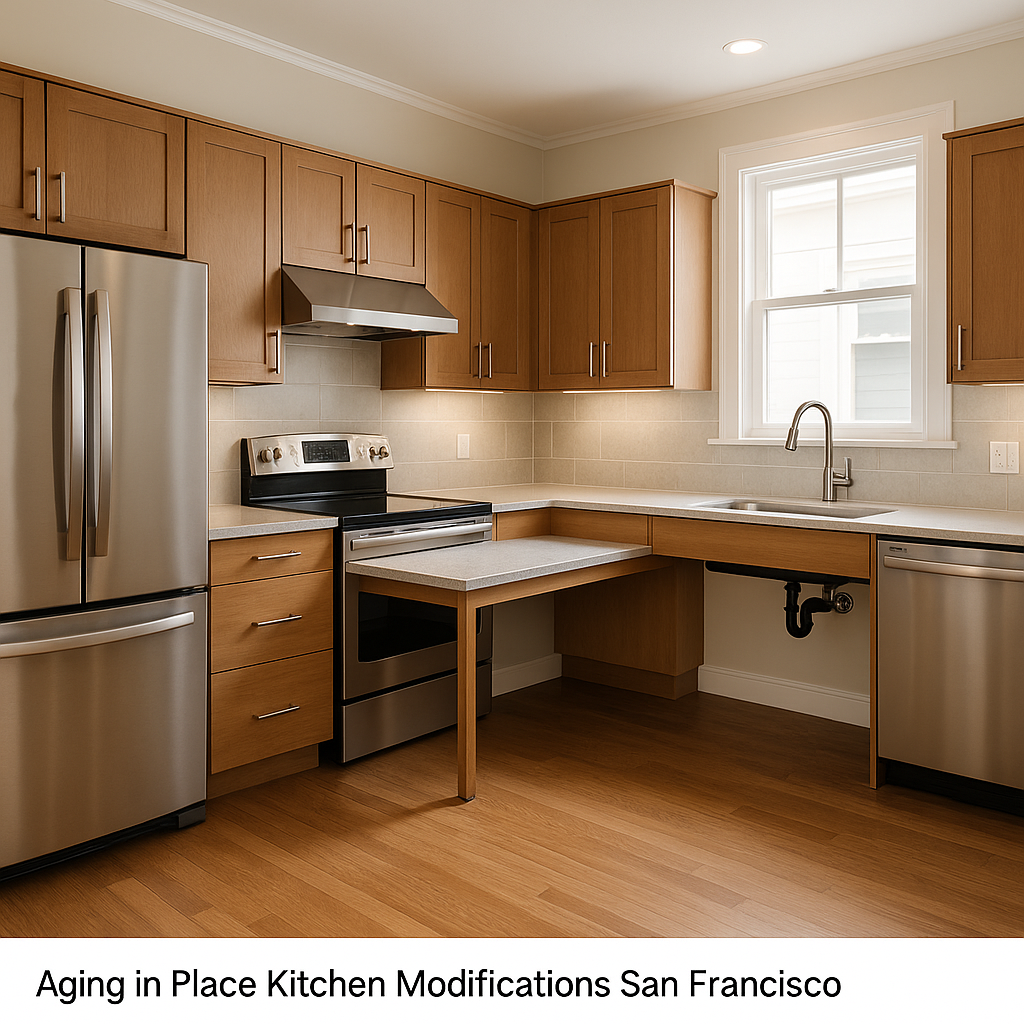
Aging in Place Kitchen Modifications in San Francisco
Introduction
Aging in place is the ability for seniors to live independently in their own homes as they grow older, a concept that holds particular significance for residents of San Francisco. In a city characterized by its unique housing challenges, the need for kitchen accessibility modifications becomes increasingly critical. Many older homes in San Francisco lack essential features that promote safety and accessibility, making it difficult for seniors to navigate their kitchens effectively.
Ensuring kitchen accessibility is vital for the safety of seniors, as it involves implementing modifications such as slip-resistant flooring, adequate lighting, and easily reachable storage. These changes not only help prevent accidents but also empower seniors to maintain their independence. The urban landscape of San Francisco complicates these modifications, as homeowners must contend with limited space and local building regulations that can hinder remodeling efforts.
Moreover, the impact of urban living on kitchen design necessitates thoughtful planning to accommodate mobility aids and ensure that essential items are within easy reach. By prioritizing kitchen accessibility and safety, San Francisco residents can create environments that support their ability to age in place comfortably and confidently.
What Makes a Kitchen Easier to Use Over Time
When planning aging in place kitchen modifications in San Francisco, several essential features can significantly enhance usability for seniors. A primary consideration is ergonomic design, which minimizes physical strain and maximizes comfort. For example, countertops should be installed at heights accessible to seniors, including those who may use wheelchairs, to promote kitchen accessibility.
User-friendly layouts are equally important. Kitchens must accommodate mobility aids, ensuring pathways are wide enough for wheelchairs or walkers. This design not only fosters independence but also enhances safety by reducing the risk of accidents.
Given the compact nature of many urban kitchens in San Francisco, accessibility is critical. Incorporating features like pull-out shelves and drawers allows seniors to reach items easily without overextending themselves. Additionally, successful local modifications, such as installing grab bars near the sink and stove, provide essential support and stability, further ensuring safety in the kitchen.
By focusing on these specific features, homeowners can create kitchens that not only meet the needs of seniors but also address the unique challenges posed by San Francisco's housing landscape, ultimately supporting their ability to age in place safely and comfortably.
Cabinets, Counters, Appliances, and Reach
When modifying kitchens for aging in place in San Francisco, selecting the right cabinets, counters, and appliances is crucial for enhancing kitchen accessibility and ensuring safety. One of the most effective modifications is installing lowered countertops designed for wheelchair access. This adjustment allows seniors to comfortably prepare meals without straining or overreaching, significantly improving their independence.
Incorporating pull-out shelves is another essential feature that facilitates easy access to items stored in cabinets. These shelves minimize the need for bending or stretching, reducing the risk of falls or injuries, which is vital for maintaining safety in the kitchen. It's important to choose designs that fit well within the often limited space of urban kitchens, ensuring that accessibility features do not compromise functionality.
When selecting appliances, opt for those with senior-friendly controls that are easy to reach and operate. Features like touch controls or knobs that require minimal effort can greatly enhance usability for aging residents. Local stores in San Francisco, such as [insert local store names], may offer specialized products tailored to these needs, so it's advisable to explore options that prioritize both accessibility and safety.
By focusing on these specific modifications, homeowners can create a kitchen environment that not only meets the unique challenges posed by San Francisco's housing conditions but also supports seniors in their desire to age in place safely and comfortably.
Safety, Lighting, Flooring, and Clearances
Ensuring a safe kitchen environment is paramount for seniors aiming to age in place in San Francisco. One of the most critical modifications is the installation of slip-resistant flooring. Given the city's unique climate and the potential for spills, selecting flooring materials such as textured vinyl or rubber that provide traction can significantly reduce the risk of falls, enhancing kitchen accessibility.
In addition to flooring, adequate lighting is essential for safety. Kitchens should be well-lit to minimize glare and shadows, which can pose hazards for seniors. Consider installing LED lights under cabinets and using dimmable fixtures to create a comfortable ambiance while ensuring visibility. Task lighting over work areas, such as countertops and stoves, enhances safety by illuminating critical spaces where seniors perform daily activities.
Clear pathways are another vital aspect of kitchen accessibility. Ensure that there is ample space for mobility aids, with a minimum of 36 inches between counters and appliances. Additionally, installing grab bars near the sink and stove can provide necessary support, helping seniors maintain stability while cooking or cleaning. It is important to adhere to local safety standards and guidelines, which may dictate specific requirements for modifications in San Francisco homes.
By focusing on these safety features, including slip-resistant flooring, adequate lighting, and clear pathways, homeowners can create a kitchen environment that not only supports aging in place but also enhances overall kitchen accessibility for seniors.
How to Plan Aging in Place Kitchen Modifications
Planning aging in place kitchen modifications in San Francisco involves several critical steps to ensure safety and kitchen accessibility. Start by consulting with local professionals who specialize in aging in place renovations. These experts understand the unique challenges of San Francisco's housing market and can help navigate local regulations and permits that may affect your remodeling project.
Budget considerations are paramount in this expensive housing market. Prioritize modifications that enhance kitchen accessibility while staying within your financial means. Focus on essential features such as slip-resistant flooring, grab bars, and ergonomic layouts that promote safety and ease of use.
When designing your kitchen, ensure that safety and accessibility are at the forefront. Clear pathways should be established, with a minimum width that accommodates mobility aids. All essential items must be within easy reach to minimize the risk of accidents, thereby allowing seniors to maintain their independence.
Additionally, familiarize yourself with local resources that can assist in your remodeling journey. Organizations and contractors in San Francisco can provide tailored support and guidance for creating a kitchen environment that truly supports aging in place. By following these steps, you can effectively plan modifications that enhance both safety and kitchen accessibility.
Conclusion
In conclusion, aging in place kitchen modifications are vital for seniors in San Francisco, where the unique housing landscape presents specific challenges. By focusing on kitchen accessibility features such as slip-resistant flooring, adequate lighting, and user-friendly layouts, homeowners can create safe environments that promote independence and well-being as they age.
It is essential to engage with local experts like Heidi's House Construction, who possess the knowledge and experience to navigate the complexities of San Francisco's regulations and housing conditions. Their expertise ensures that modifications not only meet safety standards but also enhance kitchen accessibility tailored to the needs of seniors.
As you contemplate these important changes, prioritize safety and accessibility as an investment in the quality of life for yourself or your loved ones. Take action today by reaching out to local professionals who can assist you in creating a kitchen that truly supports aging in place.
FAQs
What should homeowners know about aging in place kitchen modifications in in San Francisco?
The most important thing is to evaluate how the topic fits the actual room, the home's existing conditions, and the overall project goals. In San Francisco homes, older construction and existing utility locations often influence what is straightforward versus what becomes a bigger scope.
What is the most common challenge with aging in place kitchen modifications in?
The most common challenge is making the choice or improvement work cleanly with the existing layout, finishes, and building conditions. That is especially true when what makes a kitchen easier to use over time affects other trades, sequencing, or hidden conditions behind walls or below floors.
When is the best time to plan aging in place kitchen modifications in?
It is best planned early, before materials are ordered and before demolition starts. That gives enough time to confirm dimensions, installation requirements, and whether the topic affects other design, permit, or trade decisions.
Search Blog
Recent Posts
Aging in Place Bathroom Design in San Francisco
8 April, 2026
Do You Really Need a Kitchen Island?
7 April, 2026



Location
The Richmond District, San Francisco, CA