
Aging in Place Kitchen Modifications in San Francisco
8 April, 2026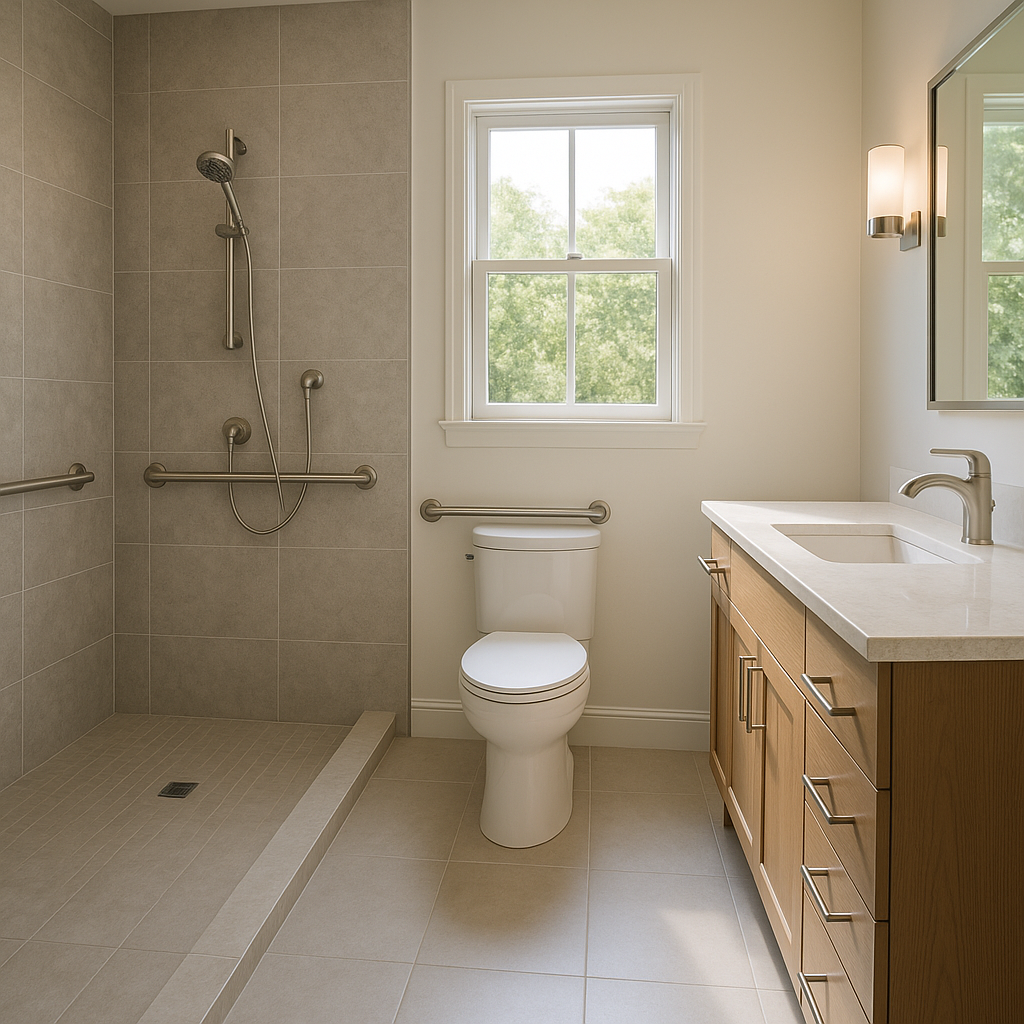
Aging in Place Bathroom Design in San Francisco
Introduction
Aging in place bathroom design is a vital consideration for homeowners in San Francisco, particularly as the city's senior population continues to grow. This design philosophy emphasizes creating bathrooms that enable seniors to live independently and safely within their homes. Aging in place is defined as the ability to remain in one's home safely, independently, and comfortably as one ages.
In San Francisco, the importance of tailored bathroom design for seniors is underscored by the unique challenges posed by older homes. Many residences feature outdated plumbing systems, such as a mix of original galvanized piping and later repairs, which can lead to uneven water pressure and recurring leaks. These issues highlight the need for careful planning and reinforcement, especially when considering features like floating vanities that can enhance space but require structural support.
The local climate also impacts design choices; for instance, slip-resistant flooring is essential in a city known for its fog and rain, which can create slippery conditions. Furthermore, demographic trends indicate a rising demand for accessible bathroom designs as more residents opt to age in place. Homeowners must navigate these factors to create safe, functional, and aesthetically pleasing bathrooms that cater to the needs of seniors while honoring the historical integrity of their homes.
Layout and Style Ideas
When designing an aging in place bathroom in San Francisco, it's essential to prioritize accessibility and safety while considering the unique characteristics of older homes. Here are some practical layout suggestions:
Open Floor Plans
Incorporating open floor plans can significantly enhance mobility for seniors using aids such as walkers or wheelchairs. Ensure that there is ample clearance around fixtures and pathways to facilitate easy movement, which is particularly important in the often compact spaces of San Francisco homes.
Curbless Showers
Designing curbless showers allows for easy access, minimizing the risk of slips and falls. This feature is especially beneficial in urban settings where space is limited, as it creates a seamless transition from the bathroom floor to the shower area, enhancing both safety and aesthetics.
Wide Doorways
Ensure that doorways are wide enough to comply with ADA standards, allowing for easy entry and exit. This is crucial in older San Francisco homes where narrow door frames are common, ensuring that seniors can navigate their bathrooms without difficulty.
Clearance Requirements
Adhere to clearance requirements for wheelchairs and walkers, which typically necessitate at least 30 inches of clear space in front of fixtures. This consideration is vital for maintaining independence and safety, particularly in the often cramped quarters of urban bathrooms.
Maximizing Small Spaces
In compact urban bathrooms, consider installing floating vanities to create an illusion of space. However, be aware that older homes may require wall reinforcement for proper installation due to structural concerns, ensuring that the design remains both functional and safe.
By implementing these layout and style ideas, homeowners can create a safe and functional bathroom that meets the needs of seniors while respecting the unique challenges of San Francisco's housing stock.
Material and Fixture Choices That Support the Design
When designing an aging in place bathroom in San Francisco, selecting the right materials and fixtures is crucial for enhancing safety and usability. Here are some essential choices to consider:
Slip-Resistant Flooring
Opt for slip-resistant flooring options that are suitable for wet areas, such as textured vinyl or ceramic tiles. These materials provide better traction, reducing the risk of falls, especially in a city known for its damp climate.
Strategic Placement of Grab Bars
Strategically placed grab bars are vital for providing support and stability. Ensure that these are installed in compliance with local codes, positioned near toilets and in showers, to assist seniors in maintaining balance and independence.
Adjustable Showerheads
Incorporating adjustable showerheads allows for varying user needs, making it easier for seniors to shower comfortably while seated or standing. This flexibility can significantly enhance the bathing experience.
Lighting Options
Consider lighting options that enhance visibility for seniors, such as bright, energy-efficient LED fixtures. Installing lights with motion sensors can also help illuminate the bathroom automatically, reducing the risk of accidents during nighttime visits.
Water-Efficient Fixtures
Lastly, choose water-efficient fixtures that comply with local regulations. These not only conserve water but also help in managing the plumbing challenges often found in older San Francisco homes, where a mix of original piping and later repairs can lead to uneven pressure.
By carefully selecting materials and fixtures that prioritize safety and usability, homeowners can create an aging in place bathroom that meets the unique needs of seniors while addressing the specific challenges of San Francisco's housing environment.
What Works in Local Homes
Designing an aging in place bathroom in San Francisco requires a deep understanding of the city's unique housing characteristics. Many homes are historic, necessitating adherence to preservation laws during renovations. This often limits the extent of modifications, requiring creative solutions that respect the building's integrity while enhancing accessibility.
Seismic safety requirements are also critical in bathroom renovations. Homeowners must ensure that structural changes, such as installing grab bars or floating vanities, comply with local seismic codes to maintain safety without compromising the building's stability.
Older plumbing and electrical systems present significant challenges. In many San Francisco homes, a mix of original galvanized piping and later repairs can lead to uneven water pressure and recurring leaks. Adapting these systems for modern needs is essential; homeowners should consult professionals to ensure that all installations meet current safety standards and function effectively.
Space constraints in urban settings require innovative design strategies. For example, while floating vanities can create a sense of openness in compact bathrooms, they often necessitate wall reinforcement to ensure proper installation. Additionally, understanding local zoning laws is crucial, as these regulations can affect the feasibility of certain modifications and the overall design process.
By addressing these specific considerations—historic preservation, seismic safety, plumbing adaptations, space constraints, and zoning laws—homeowners can create functional and safe aging in place bathrooms that cater to the needs of seniors while respecting San Francisco's unique housing landscape.
How to Turn Ideas into a Buildable Plan
Translating your vision for an aging in place bathroom into a buildable plan in San Francisco involves several critical steps. First, collaborate with local contractors who specialize in aging in place designs. Their expertise will ensure compliance with local regulations and address the unique challenges posed by older homes, such as outdated plumbing systems.
Navigating the permit process is essential, as San Francisco has specific regulations for modifying plumbing and electrical systems. Your contractor can guide you through obtaining the necessary permits, ensuring your project adheres to local codes and progresses smoothly.
Budgeting is also crucial. Specialized materials that enhance safety, like slip-resistant flooring and reinforced grab bars, may come at a higher cost than standard options. However, investing in these features is vital for creating a safe environment for seniors, especially in homes with mixed plumbing systems that can lead to uneven pressure.
Consider the timeline for your project carefully. Urban construction can be unpredictable, so it’s wise to build in extra time for potential delays. This is particularly important in San Francisco, where older homes may require additional work to meet modern safety standards, including seismic safety requirements.
Finally, utilize resources for finding local aging in place specialists. Organizations and online platforms can connect you with professionals who understand the intricacies of San Francisco's building landscape, ensuring your bathroom design is both functional and compliant with local zoning laws.
In summary, thoughtful aging in place bathroom design is essential for ensuring safety and functionality in San Francisco's unique housing environment. Key design elements such as slip-resistant flooring, strategically placed grab bars, and curbless showers are crucial for enhancing the quality of life for seniors, allowing them to maintain independence in their homes.
As you consider your bathroom renovation, prioritize accessibility features tailored to the specific needs of older adults, such as wide doorways and adequate clearance for mobility aids. In many older San Francisco homes, floating vanities can create a sense of openness, but they often require wall reinforcement for proper installation due to structural considerations.
For expert guidance tailored to your project, contact Heidi's House Construction. Their experience with local regulations and unique building challenges ensures that your aging in place bathroom will be both functional and compliant with San Francisco's requirements. By investing in a well-designed bathroom, you are not only enhancing safety but also embracing the benefits of aging in place, which ultimately contributes to a better quality of life for you and your loved ones.
FAQs
What design approach works best for aging in place bathroom design in in San Francisco?
The best design approach balances the look you want with the room's actual size, storage needs, circulation, and buildability. In many San Francisco homes, the strongest designs are the ones that improve function and still respect the character of the home.
How should I balance style and function with aging in place bathroom design in?
Start with function: clearances, storage, cleaning, maintenance, and how the room will be used every day. Once those are solved, style decisions like finish, profile, and visual weight are much easier to make well.
What design mistakes are common with aging in place bathroom design in?
A common mistake is choosing a look that fights the room instead of supporting it. Oversized products, weak storage planning, poor clearances, or details that complicate installation can all make a design look good on paper but perform poorly in real life.
Search Blog
Recent Posts
Aging in Place Bathroom Design in San Francisco
8 April, 2026
Do You Really Need a Kitchen Island?
7 April, 2026



Location
The Richmond District, San Francisco, CA