
Small Bathroom Renovation Best Practices
29 May, 2026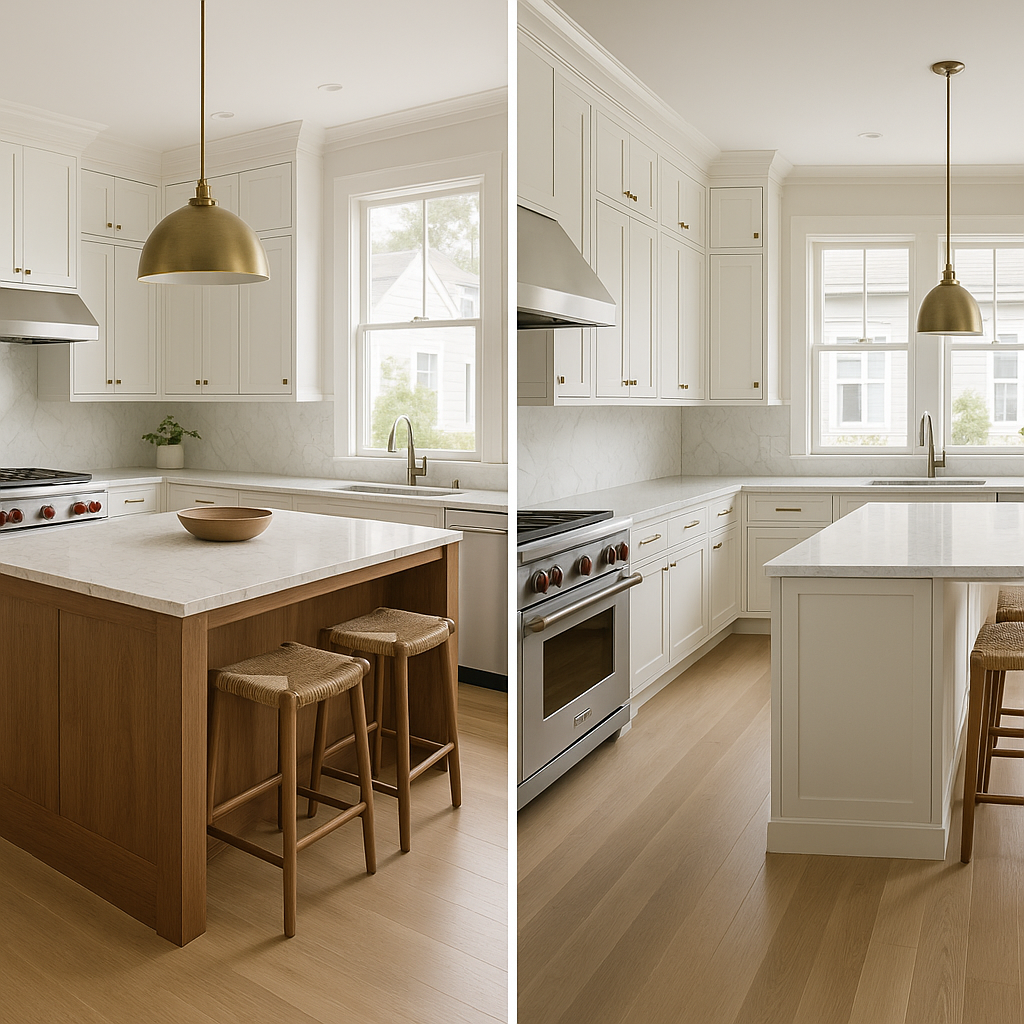
Kitchen Island vs Peninsula: Which is Right for Your San Francisco Home?
Introduction
In the realm of kitchen remodels, San Francisco homeowners must decide between a kitchen island and a peninsula. A kitchen island is a freestanding unit that enhances workspace and storage, often incorporating seating, while a peninsula extends from the main countertop, providing similar benefits in a more compact form.
The layout is particularly significant in San Francisco homes, where space constraints and older infrastructure can complicate design choices. Many kitchens face challenges such as limited square footage, outdated plumbing, and the need to comply with local building codes, which can dictate the feasibility of installing an island versus a peninsula.
Additionally, San Francisco's unique building conditions, including seismic safety regulations, necessitate careful planning. Homeowners must consider these local factors to make informed decisions about their kitchen layouts, ensuring both functionality and compliance with regulations.
When comparing a kitchen island and a peninsula, several practical criteria come into play, especially in the context of San Francisco homes.
Layout and Space Requirements
In urban settings like San Francisco, kitchen islands generally require more space than peninsulas, making them less suitable for smaller kitchens. An island needs a minimum clearance of 36 inches on all sides for safe movement, while a peninsula can be positioned against a wall or cabinetry, optimizing space in tighter layouts.
Aisle Clearances
Local building codes in San Francisco highlight the necessity of adequate aisle clearances. Islands must accommodate multiple users, necessitating wider aisles, whereas peninsulas can be designed to enhance flow without compromising accessibility.
Traffic Flow Considerations
In smaller kitchens, effective traffic flow is essential. A peninsula can direct movement more efficiently, acting as a natural barrier between cooking and dining areas, while islands may disrupt flow if not strategically placed.
Visual Impact
Both kitchen islands and peninsulas can enhance aesthetics, but they do so in distinct ways. An island often serves as a focal point and gathering space, while a peninsula integrates more seamlessly with existing cabinetry, creating a cohesive look.
Integration with Existing Features
Peninsulas tend to blend better with existing kitchen layouts, particularly in older San Francisco homes where structural constraints exist. Islands, while versatile, may necessitate significant remodeling to accommodate plumbing and electrical systems, impacting overall design feasibility.
When considering a kitchen island versus a peninsula in the context of San Francisco homes, it's essential to weigh the specific advantages and disadvantages of each option.
Storage Options
Kitchen islands typically offer more storage potential due to their freestanding nature, allowing for cabinets and drawers on all sides, which is advantageous in compact spaces. In contrast, peninsulas often provide limited storage since they are usually attached to existing cabinetry, restricting accessible compartments.
Seating Tradeoffs
Seating arrangements differ significantly between the two. Islands can accommodate more seating, making them ideal for larger families or those who entertain frequently. Conversely, peninsulas can create a cozy dining nook, which may be more suitable for smaller households or apartments.
Impact on Kitchen Workflow
In terms of workflow, islands can enhance the cooking experience by providing additional workspace and facilitating movement. However, if not positioned correctly, they may obstruct traffic flow. Peninsulas can streamline workflow by directing movement and keeping cooking and dining areas distinct, aligning with local cooking habits.
Maintenance Considerations
Maintenance varies between the two options. Islands may require more upkeep due to their exposed surfaces and additional features like sinks or cooktops. Peninsulas, being more integrated with existing structures, might be easier to maintain, especially in older homes.
Cost Implications
Cost is a significant factor in San Francisco's market. Kitchen islands generally involve higher installation costs due to plumbing and electrical requirements, while peninsulas can be more budget-friendly, particularly in older homes where structural modifications are limited.
When deciding between a kitchen island and a peninsula, the architectural style and layout of your San Francisco home play a crucial role. Modern homes often benefit from the open concept that islands provide, enhancing both functionality and aesthetic appeal. Islands serve as central gathering spots, accommodating larger families and entertaining guests, making them ideal for contemporary designs.
In contrast, traditional homes may find that peninsulas are a better fit. These layouts integrate seamlessly with existing cabinetry, providing a cozy dining area while maximizing space in narrower kitchens. Peninsulas are particularly advantageous in smaller apartments, where every square foot counts, offering a compact solution that still allows for seating and additional counter space.
Older homes with unique layouts often present challenges that can make islands impractical. In these cases, peninsulas can be tailored to fit snugly against walls or existing structures, minimizing the need for extensive remodeling. Additionally, the neighborhood style influences the choice; homes in historic districts may favor peninsulas to maintain architectural integrity, while modern neighborhoods might embrace the boldness of islands.
Successful installations in local homes illustrate these considerations. For example, a modern kitchen in the Mission District features a striking island that enhances the open layout, while a Victorian-style home in Pacific Heights showcases a beautifully crafted peninsula that complements its vintage charm. These examples highlight how the choice between an island and a peninsula can reflect both the home's architectural style and the homeowner's lifestyle needs.
How to Choose the Right One
When deciding between a kitchen island and a peninsula, start by assessing your kitchen's size and shape, particularly in the context of San Francisco's unique constraints. Measure your available space to determine which option will fit comfortably without obstructing traffic flow. Islands generally require more space, while peninsulas can be more adaptable in tighter layouts.
Next, evaluate your family needs and lifestyle preferences. If you frequently entertain or have a large family, a kitchen island may provide the additional seating and workspace you require. Conversely, if your household is smaller or you prioritize a cozy dining nook, a peninsula might be the better choice.
Consider future remodeling plans and potential resale value as well. An island can enhance the appeal of your home for future buyers, especially in modern neighborhoods, while a peninsula may offer a timeless charm that aligns with historic building styles.
Understanding local zoning laws is crucial, as these regulations can affect the feasibility of your chosen layout. For instance, certain areas may have restrictions on the size or placement of islands. Consulting with local experts who are familiar with San Francisco's building codes can provide tailored advice, ensuring your kitchen remodel meets both aesthetic and regulatory standards.
By carefully weighing these factors—assessing your kitchen's dimensions, evaluating your family's needs, considering future plans, understanding zoning laws, and seeking local expertise—you can make an informed decision that aligns with your personal needs and the characteristics of your San Francisco home.
Conclusion
In summary, the decision between a kitchen island and a peninsula hinges on understanding their distinct advantages, particularly in the context of San Francisco homes. Kitchen islands provide ample storage and seating, making them suitable for larger families and modern designs, but they require more space and careful planning for traffic flow. Conversely, peninsulas are often more adaptable to smaller kitchens, offering a cozy dining nook while integrating seamlessly with existing cabinetry.
As you consider your options, reflect on your kitchen's dimensions, your family's lifestyle, and the architectural style of your home. Local expertise is crucial in addressing the unique challenges of remodeling in San Francisco, including zoning laws and structural constraints. At Heidi's House Construction, we bring specialized knowledge in kitchen design tailored to your specific needs and the characteristics of your home.
We invite you to contact us for personalized advice and to discover how we can assist you in creating your ideal kitchen space. Your dream kitchen is just a consultation away!
FAQs
What is the difference between Kitchen Island and Peninsula in San Francisco?
The main differences usually come down to space planning, installation details, maintenance, and the finished look. In many San Francisco homes, the better choice depends on the room size, the existing plumbing or framing, and how much storage or floor clearance the homeowner wants.
Which is better for my home: Kitchen Island or Peninsula?
Neither option is universally better. Kitchen Island may be the stronger fit when its specific strengths match the room and budget, while Peninsula can be the better choice when layout, storage, cleaning, or installation constraints point the other way. The best decision comes from matching the option to the actual space rather than picking on looks alone.
What should I compare before choosing between Kitchen Island and Peninsula?
Compare the footprint, rough-in or support requirements, ease of cleaning, maintenance access, and how each option fits the style and function of the room. In San Francisco homes, wall conditions, floor conditions, and existing utility locations can also affect which option is easier and smarter to install.
Search Blog
Recent Posts
Small Kitchen Renovation Best Practices
22 May, 2026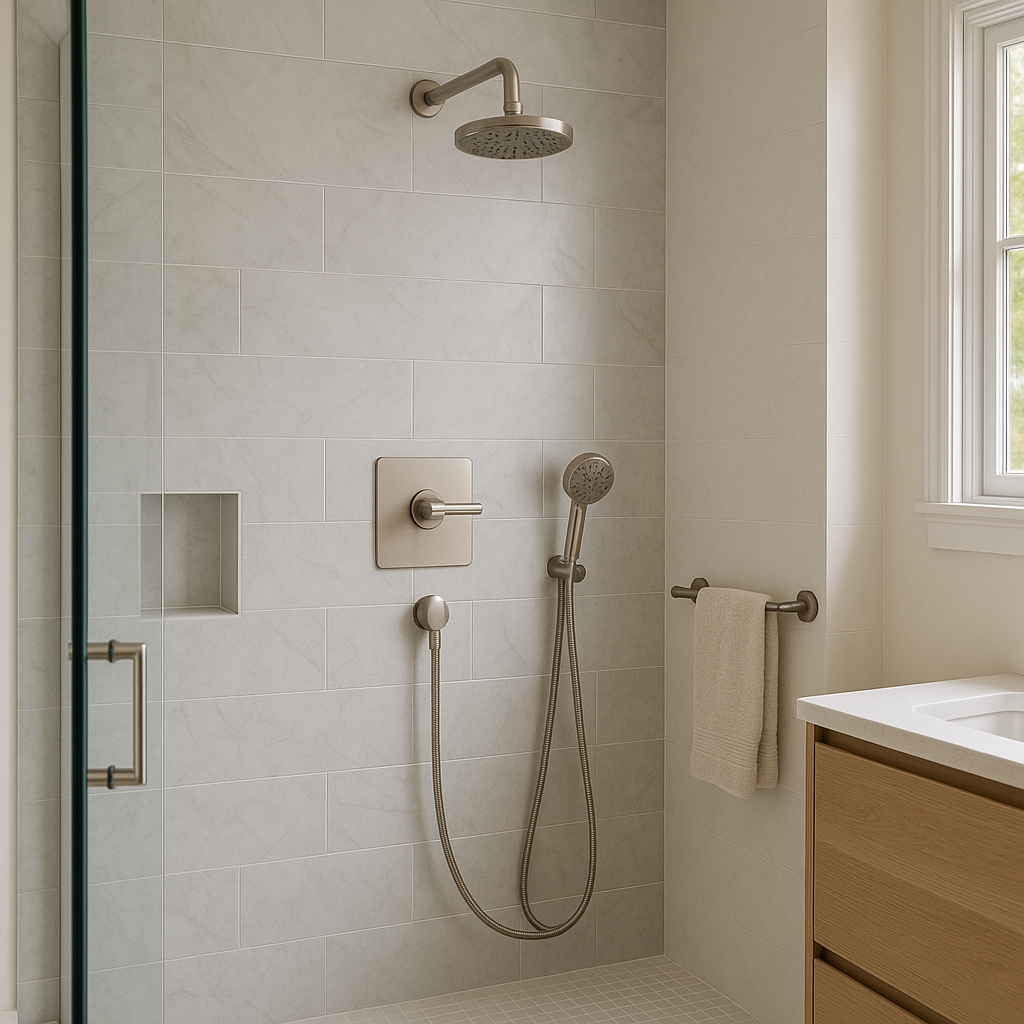
How to Choose the Right Shower Valve
19 May, 2026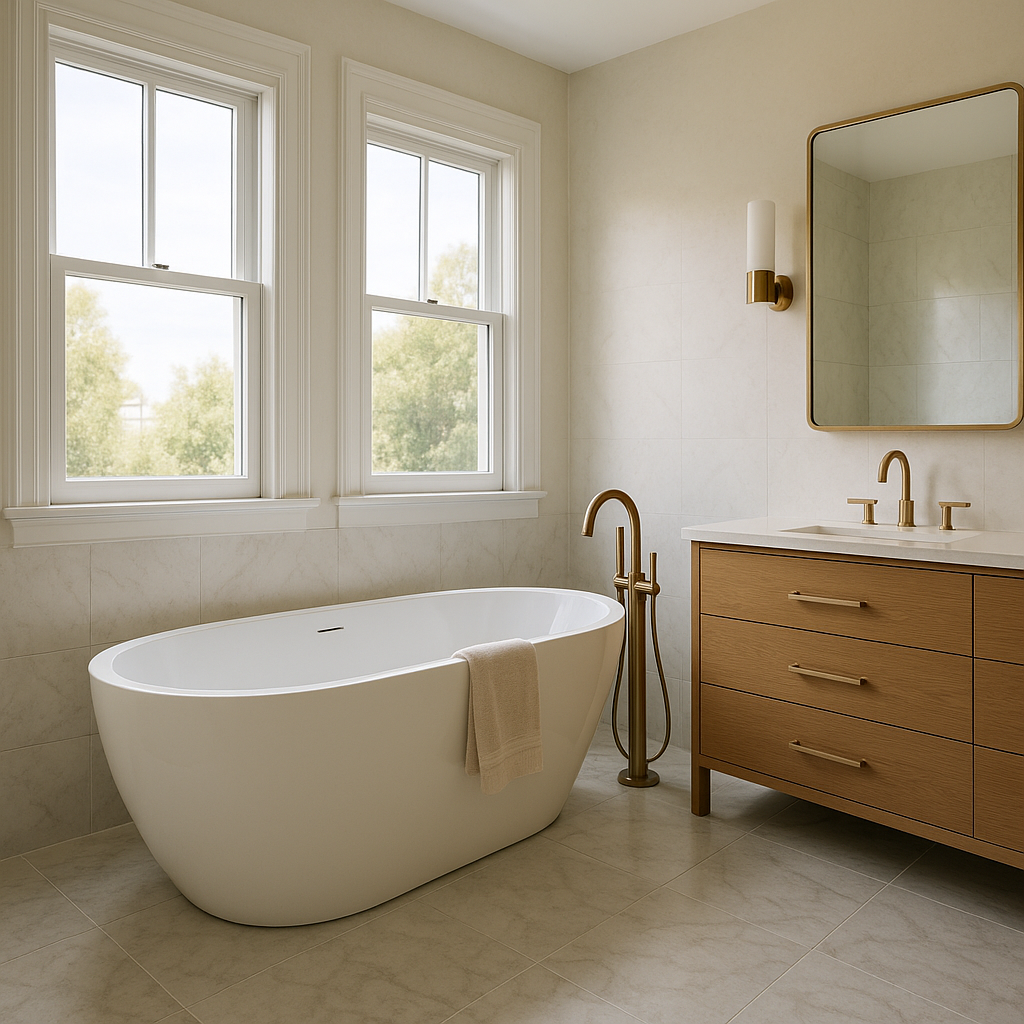
How to Choose the Right Bathtub
15 May, 2026


Location
The Richmond District, San Francisco, CA