
Small Bathroom Renovation Best Practices
29 May, 2026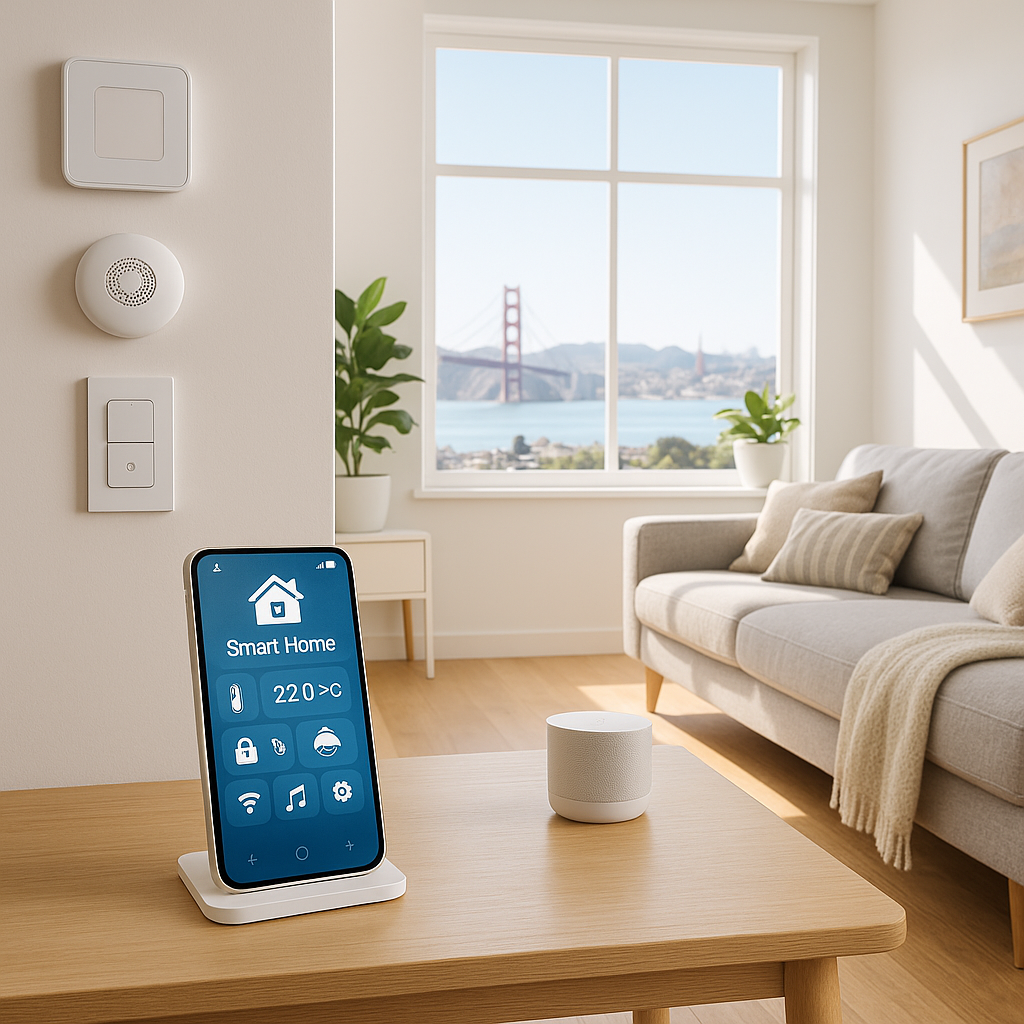
Transform Your San Francisco Home with Smart Automation: A Guide to Planning and Budgeting
In the vibrant neighborhoods of San Francisco, the allure of smart home technology is undeniable. Home automation can enhance your living experience while ensuring efficiency and security, especially in older homes that require strategic planning. Here’s how to integrate smart home automation in a budget-friendly way while considering the unique aspects of San Francisco's housing stock.
Understanding Smart Home Automation
Smart home automation encompasses a range of technologies designed to improve comfort, security, and energy efficiency. From smart lighting and thermostats to leak detection and home access systems, these technologies can be tailored to fit the unique architecture and wiring of San Francisco homes. Unlike single-device solutions, a comprehensive approach allows for seamless integration and enhanced functionality.
Planning Low-Voltage and Wi-Fi Coverage for Automation
To maximize the benefits of smart home devices, proper planning for low-voltage wiring and robust Wi-Fi coverage is essential. Most older homes in San Francisco may not be equipped to handle the demands of multiple smart devices without careful upgrades.
- Low-Voltage Wiring: Consider installing structured cabling for devices like security cameras, smart doorbells, and lighting controls. Hiring a local contractor familiar with the city's building codes can streamline this process and ensure compliance.
- Wi-Fi Coverage: Given the varying microclimates in the Bay Area, a single Wi-Fi router may not suffice. Instead, plan for a mesh network that can cover specific areas of your home, ensuring that your smart devices remain connected.
Budgeting for Smart Home Automation
Cost is often a significant factor for homeowners considering smart home automation. Below are the key areas to focus on:
- Initial Setup Costs: Depending on the number of devices and the complexity of installation, expect to spend between $1,000 to $5,000 initially. This includes purchasing devices and hiring professionals.
- Ongoing Expenses: Factor in potential subscription fees for services like cloud storage for security cameras or advanced features in smart thermostats. Budgeting around $10 to $30 monthly can provide peace of mind.
- Energy Savings: Investing in smart thermostats and lighting can lead to significant savings on utility bills over time, often paying for themselves within a few years.
Choosing the Right Devices for San Francisco Homes
When opting for smart home devices, consider those that provide layered automation:
- Smart Lighting: Brands like Philips Hue or Lutron offer customizable lighting solutions that can enhance ambiance while reducing energy consumption.
- Leak Detection: Devices such as the Aqara Water Leak Sensor can alert homeowners to issues before they escalate, crucial for older homes prone to plumbing problems.
- Smart Thermostats: The Nest Learning Thermostat is popular for its efficiency and ability to learn your schedule, adapting automatically for optimal comfort.
- Smart Access Systems: Consider smart locks like August or Schlage, which provide secure access control tailored to your lifestyle.
Leveraging Local Suppliers in the Bay Area
Support your local economy by sourcing smart home products and services from Bay Area suppliers. Companies like Best Buy and Home Depot often host workshops that can help you better understand installation and features. Additionally, local electricians and contractors can provide invaluable insights into the specific needs of older San Francisco homes.
Permits and Codes in San Francisco
Before embarking on your smart home installation journey, familiarize yourself with San Francisco’s building codes and permit requirements. Some upgrades, particularly those involving electrical work or significant structural changes, may require permits. Always consult with local authorities or your contractor to ensure compliance and avoid costly fines.
By carefully planning your smart home automation project, taking into account the unique aspects of your San Francisco home, and managing your budget effectively, you can enjoy the multitude of benefits that come with a connected lifestyle. Make the leap towards a smarter home today!
FAQs
Q: How does a smart shutoff like Flo by Moen help?
A: It monitors flow/pressure and auto-shuts on probable leaks, potentially reducing damage and insurance risk.
Q: Will a shutoff affect my fire sprinklers?
A: We separate domestic water from the fire line so the valve never disables sprinklers, and verify placement/code.
Q: What do I need on install day?
A: 2.4 GHz Wi-Fi, app setup, and a nearby grounded outlet. We assist with configuration and testing.
Q: How are false alarms handled?
A: We dial in thresholds and coach you on modes (Home/Away/Sleep) to align with usage patterns.
Search Blog
Recent Posts
Small Kitchen Renovation Best Practices
22 May, 2026
How to Choose the Right Shower Valve
19 May, 2026
How to Choose the Right Bathtub
15 May, 2026


Location
The Richmond District, San Francisco, CA