
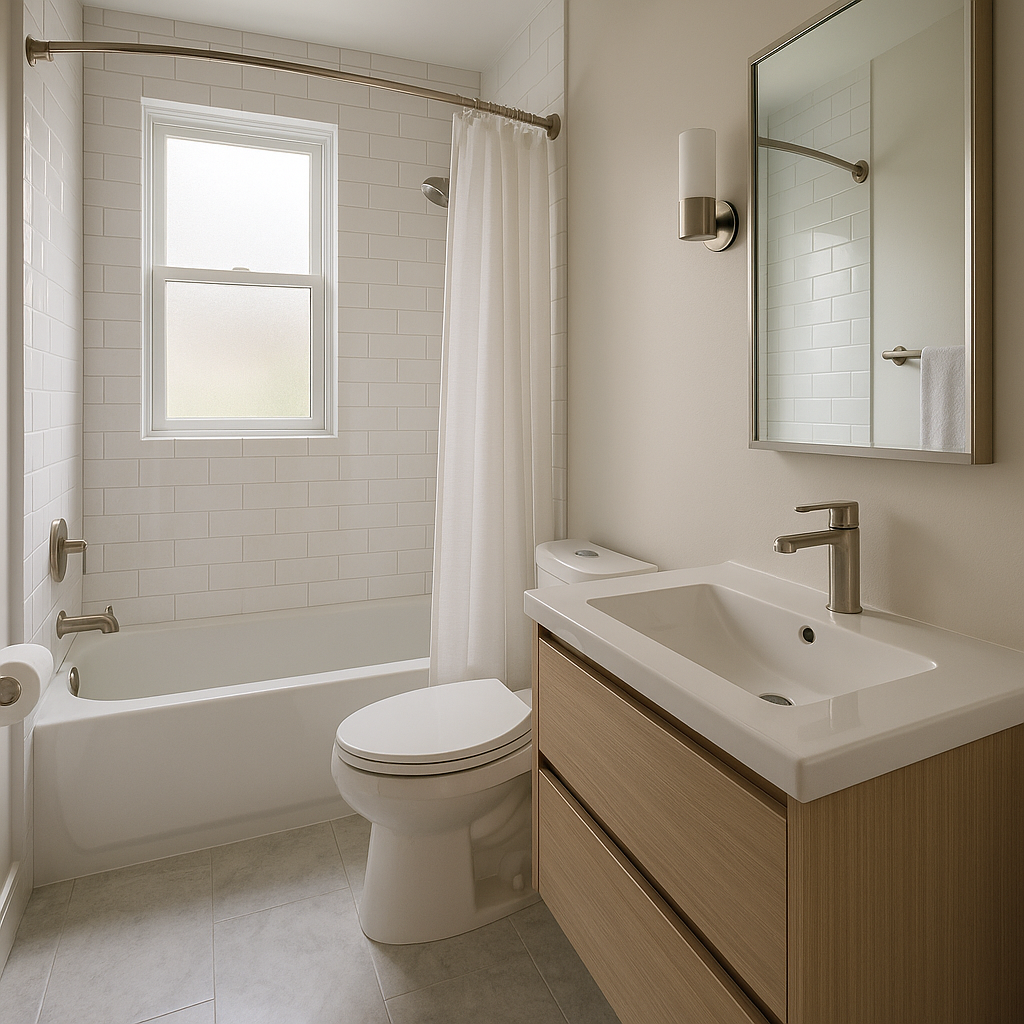
Small Bathroom Renovation Best Practices
29 May, 2026
Essential Guide to Bernal Heights Earthquake Retrofits: Common Pitfalls and Solutions
Bernal Heights, with its picturesque views and vibrant community, is an appealing neighborhood for San Francisco homeowners. However, the risk of earthquakes makes it crucial to ensure your home is properly retrofitted. This guide covers essential aspects of earthquake retrofits, focusing on common pitfalls and how to avoid them.
Understanding Earthquake Retrofits
Earthquake retrofitting involves strengthening your home to better withstand seismic activity. In a city like San Francisco, known for its unique microclimates and geological challenges, this process is essential. Proper retrofitting not only protects your property but also enhances safety for you and your family.
Key Components of Earthquake Retrofitting
When considering earthquake retrofits, several key components should be prioritized. Homeowners in Bernal Heights often overlook these elements, leading to ineffective retrofitting:
- Grade Beams: These concrete beams are essential for connecting your foundation to the home structure. Proper installation ensures that the house remains stable during an earthquake.
- Drag Struts: These elements help distribute forces during seismic events, preventing structural failure. Ensure your contractor uses materials suitable for San Francisco’s specific soil conditions.
- Hillside Anchorage: If your property is on a slope, hillside anchorage is vital. It secures your home against landslides and shifting soil during seismic events.
Common Pitfalls in Earthquake Retrofitting
Understanding and avoiding common pitfalls can save homeowners time, money, and hassle:
- Inadequate Planning: Many homeowners rush into retrofitting without a thorough assessment of their property. Engage a knowledgeable contractor familiar with San Francisco's building codes and requirements to avoid this.
- Ignoring Local Regulations: Each neighborhood may have different permitting processes and codes. In Bernal Heights, you’ll need to adhere to San Francisco’s seismic retrofitting guidelines. Not obtaining the right permits can lead to costly fines and additional work later.
- Choosing Unqualified Contractors: It’s crucial to hire contractors experienced in earthquake retrofits. Check references and past projects to ensure they understand the nuances of construction in the Bay Area.
Navigating Permits and Codes in San Francisco
Before starting any retrofitting project, familiarize yourself with the local building department’s requirements. In San Francisco, homeowners must obtain a permit for most retrofitting work. The San Francisco Department of Building Inspection (DBI) provides detailed guidelines for retrofitting practices.
Make sure to consult with a structural engineer who understands the complexities of building regulations in your neighborhood. This not only ensures compliance but also enhances the quality of your retrofit.
Finding Reliable Suppliers and Contractors
Choosing the right materials and professionals is vital for a successful retrofit. Here are some recommendations for sourcing quality supplies in the Bay Area:
- Local Hardware Stores: Visit local suppliers like City Building Supply or Home Depot, both of which offer materials suited for retrofitting.
- Specialized Contractors: Look for local contractors who specialize in earthquake retrofits. Websites like Angie's List or Yelp can help you find reliable professionals with strong reviews.
Long-Term Benefits of Proper Earthquake Retrofitting
Investing in earthquake retrofits is not just about compliance; it’s about protecting your home and enhancing its value. Homes that are properly retrofitted tend to have lower insurance premiums and can withstand the impact of earthquakes more effectively.
Additionally, a well-retrofitted home may be more appealing to potential buyers, especially in an earthquake-prone area like San Francisco. By prioritizing safety and following best practices, homeowners in Bernal Heights can enjoy peace of mind and a stronger investment.
FAQs
Q: What is an earthquake retrofit for a San Francisco home?
A: It usually means adding anchors, shear walls, and other structural ties so the building can better resist lateral quake forces.
Q: Are earthquake retrofits required in California?
A: Certain soft-story and multi-unit buildings are mandated under local ordinances, while many single-family homes do voluntary retrofits for risk reduction.
Q: How long does a typical residential retrofit take?
A: Most single-family projects run from a few days to a couple of weeks depending on scope, inspections, and how much of the perimeter is being reinforced.
Q: Can I stay in my home during the retrofit work?
A: Often yes, with brief periods of extra noise and vibration. We plan access, staging, and dust control so key rooms remain usable.
Q: How do permits and inspections work for seismic retrofits in SF?
A: We work with your engineer and DBI, submit drawings, and stage work so nailing, anchors, and hold-downs remain visible for inspection before closing up.
Search Blog
Recent Posts

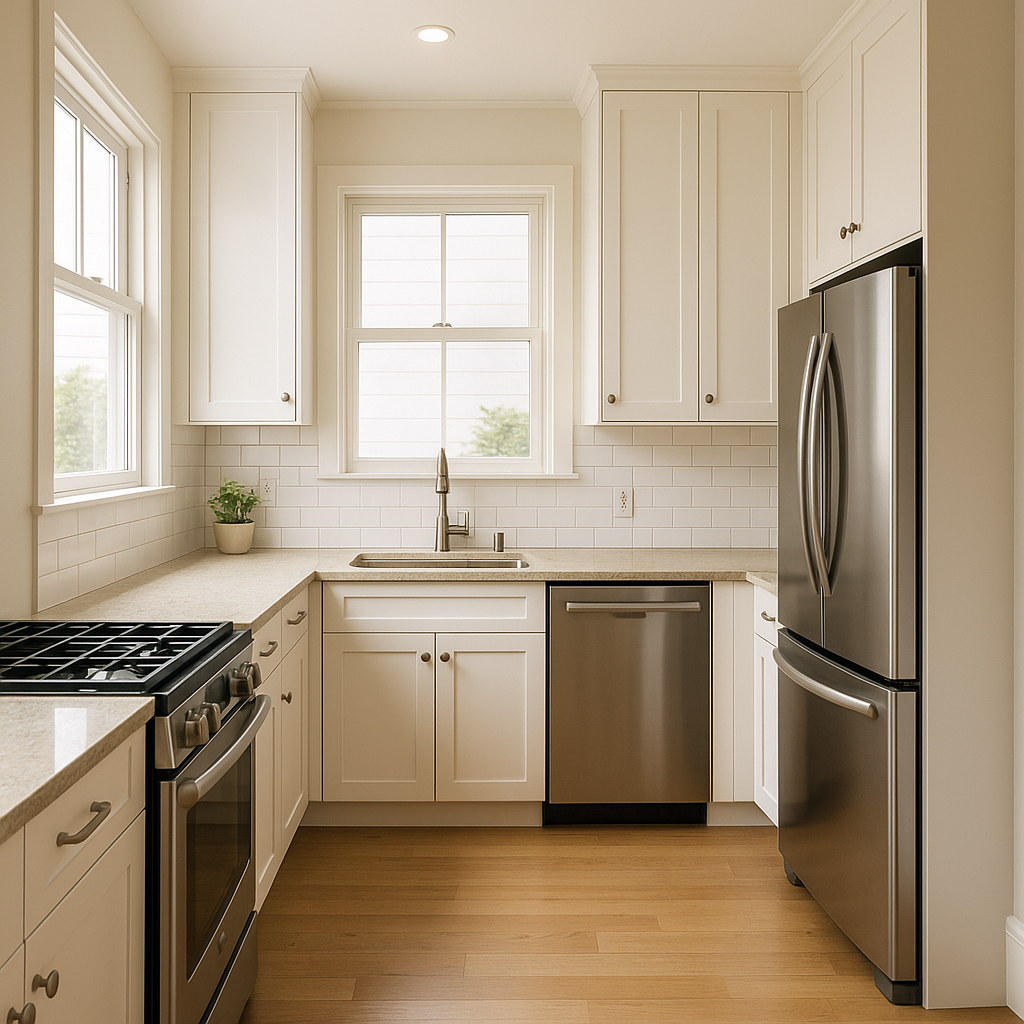
Small Kitchen Renovation Best Practices
22 May, 2026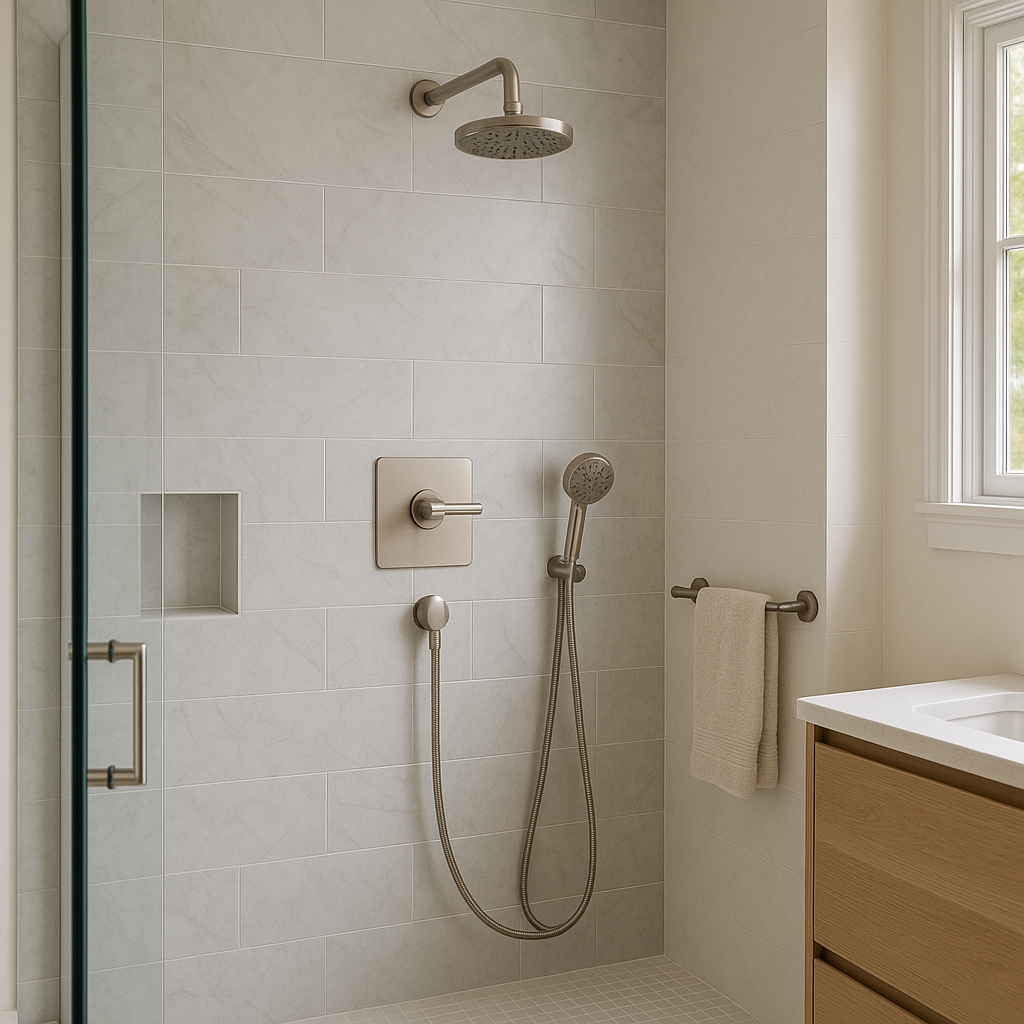
How to Choose the Right Shower Valve
19 May, 2026
How to Choose the Right Bathtub
15 May, 2026


Location
The Richmond District, San Francisco, CA