
Small Bathroom Renovation Best Practices
29 May, 2026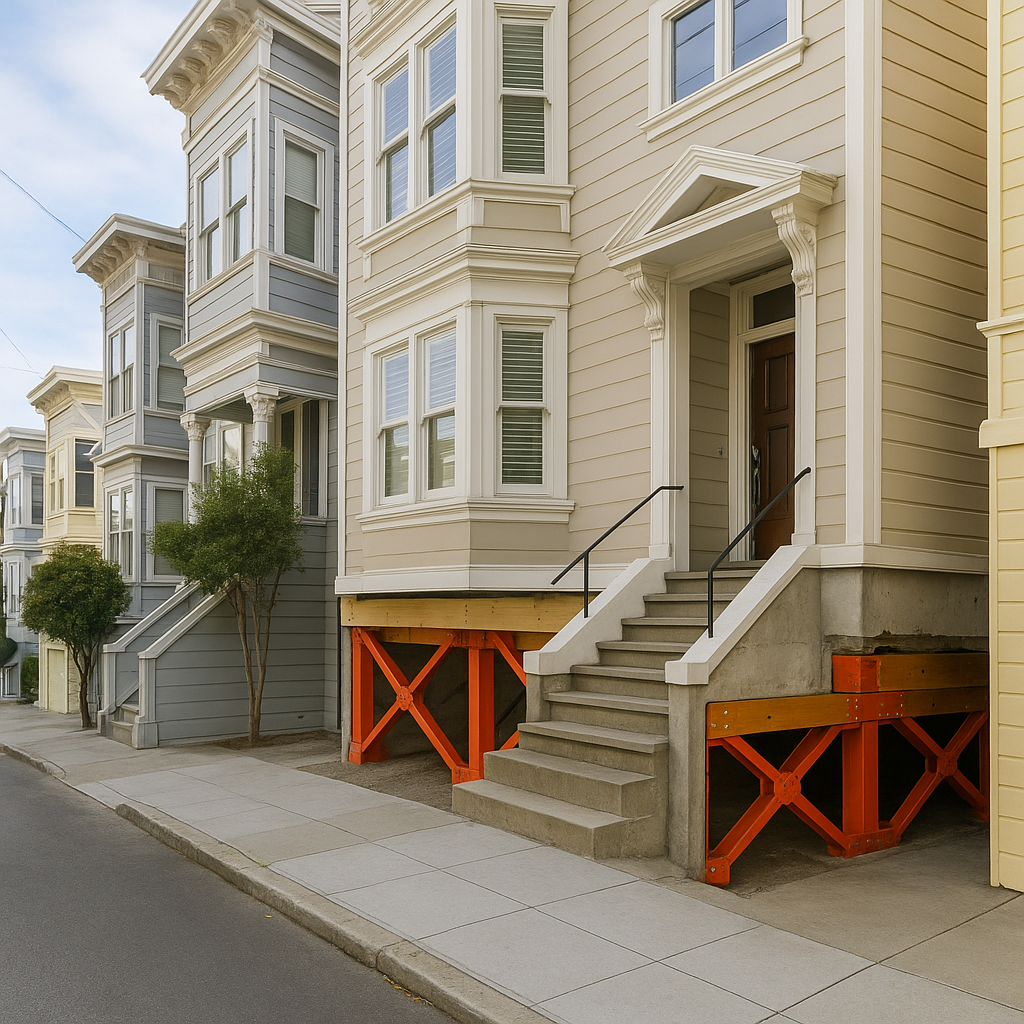
Seismic Safety First: Essential Earthquake Retrofitting for San Francisco Homes
Earthquake preparedness is vital for homeowners in San Francisco, a city perched on seismic fault lines. With the potential for significant earthquake activity, retrofitting your home is not just a smart investment; it's essential for safety. Particularly for older houses, like pre-1906 Victorians and Edwardians, understanding the local requirements and best practices for seismic upgrades can be the difference between a home standing strong or succumbing to the elements.
Understanding the Local Landscape
The unique microclimates and diverse neighborhoods of San Francisco present specific challenges and opportunities for retrofitting. Areas such as the Richmond and Sunset districts, known for their older architecture, require careful consideration of local geological conditions when planning seismic upgrades.
In San Francisco, the Department of Building Inspection (DBI) outlines specific codes and permits necessary for seismic retrofitting. Familiarizing yourself with these requirements is crucial in avoiding fines and ensuring your upgrade passes inspections.
Key Seismic Upgrades for Pre-1906 Victorians and Edwardians
Victorian and Edwardian homes, while beautiful and historic, often lack the structural integrity needed to withstand earthquakes. Common retrofitting options include:
- Foundation Bolting: Securing the house to its foundation helps prevent it from shifting or sliding during an earthquake.
- Shear Wall Installation: Adding shear walls increases the lateral strength of the house, reducing sway and potential damage.
- Soft-Story Reinforcement: Many older homes have soft-story configurations on the ground floor. Reinforcing these areas is critical to maintaining overall stability.
- Roof-to-Wall Connections: Properly securing the roof to the walls prevents the roof from collapsing, which is a common failure point in older homes.
Timeline Management for Retrofitting Projects
Effective timeline management is vital for any seismic upgrade project. Here’s a suggested sequence to help streamline the process:
- Initial Assessment: Hire a structural engineer familiar with San Francisco's building codes to evaluate your home and recommend specific retrofitting needs.
- Permit Acquisition: Submit necessary plans to the DBI. This step can take several weeks, depending on the complexity of your project.
- Contractor Selection: Choose a licensed contractor experienced in seismic retrofitting, ideally one with a solid reputation and prior work on similar homes.
- Construction: The construction phase can vary in length based on the extent of retrofitting required. Ensure your contractor provides a detailed timeline to keep the project on track.
- Final Inspection: Once the work is completed, schedule a final inspection with the DBI to verify that all upgrades meet local codes.
Choosing the Right Partners for Your Seismic Work
In San Francisco, it's essential to choose contractors and suppliers who are familiar with local regulations and have a proven track record. For example, local suppliers like Harris & Sons Construction and Seismic Safety Solutions are known for their expertise in seismic retrofitting, especially in historic homes.
Additionally, consider consulting with the San Francisco Housing Authority and local community organizations focused on historic preservation for guidance on best practices unique to your neighborhood.
Funding and Incentives for Retrofitting
Homeowners may also want to explore financing options and potential incentives for seismic retrofitting. Programs offered by the California Earthquake Authority and local financial institutions can provide assistance in funding your project, making it more feasible to undertake necessary upgrades.
Securing your home against seismic activity is a proactive approach to protecting your investment and ensuring the safety of your loved ones. By prioritizing effective timeline management and engaging with local experts, you can navigate the sometimes complex landscape of seismic retrofitting in San Francisco, particularly for your historic Victorian or Edwardian home.
FAQs
Q: What is an earthquake retrofit for a San Francisco home?
A: It usually means adding anchors, shear walls, and other structural ties so the building can better resist lateral quake forces.
Q: Are earthquake retrofits required in California?
A: Certain soft-story and multi-unit buildings are mandated under local ordinances, while many single-family homes do voluntary retrofits for risk reduction.
Q: How long does a typical residential retrofit take?
A: Most single-family projects run from a few days to a couple of weeks depending on scope, inspections, and how much of the perimeter is being reinforced.
Q: Can I stay in my home during the retrofit work?
A: Often yes, with brief periods of extra noise and vibration. We plan access, staging, and dust control so key rooms remain usable.
Q: How do permits and inspections work for seismic retrofits in SF?
A: We work with your engineer and DBI, submit drawings, and stage work so nailing, anchors, and hold-downs remain visible for inspection before closing up.
Search Blog
Recent Posts

Small Kitchen Renovation Best Practices
22 May, 2026
How to Choose the Right Shower Valve
19 May, 2026
How to Choose the Right Bathtub
15 May, 2026


Location
The Richmond District, San Francisco, CA