
Small Bathroom Renovation Best Practices
29 May, 2026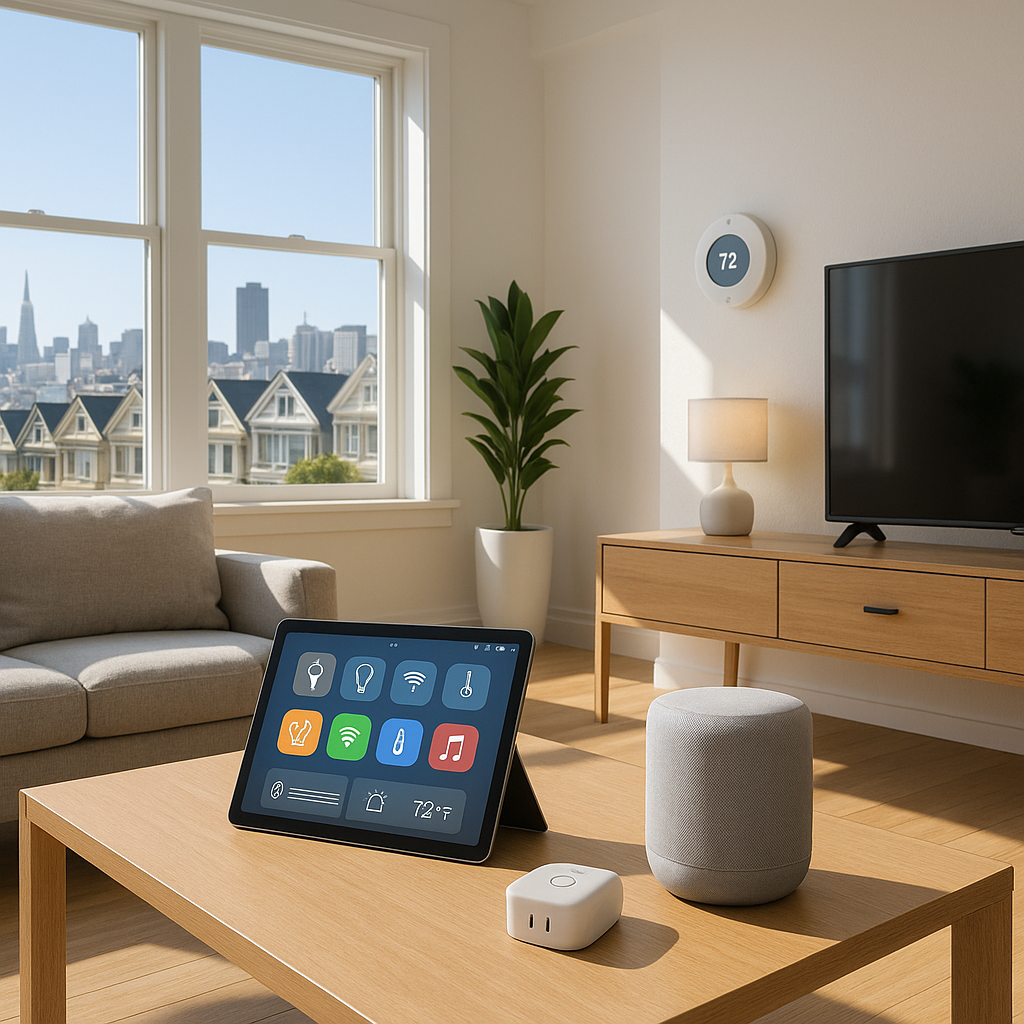
Transforming San Francisco Homes with Smart Automation: A Guide for Homeowners
San Francisco homeowners are increasingly turning to smart home technology to enhance comfort, security, and efficiency. With the diverse architecture of the Bay Area, including Victorian, Edwardian, and mid-century homes, it's essential to consider how automation can be retrofitted to fit various building eras and specific needs.
Understanding Smart Home Automation
Smart home automation refers to a network of devices that can be controlled remotely to optimize energy usage, enhance security, and improve daily living. Key components typically include:
- Smart thermostats
- Automated lighting systems
- Leak detectors
- Smart locks and access controls
Smart Home Solutions for Different Building Eras
San Francisco's housing stock spans several architectural styles, which can affect how homeowners approach smart home integration. Here’s how to adapt smart technology based on building era:
Victorian and Edwardian Homes
These historic homes often come with limited electrical systems. Retrofitting options include:
- Smart thermostats compatible with older HVAC systems, like the Nest Learning Thermostat.
- Smart lighting that uses existing fixtures, such as Philips Hue bulbs.
- Water leak detectors that can be placed in basements or under sinks without extensive wiring.
Mid-Century Modern Homes
Characterized by open spaces and large windows, mid-century homes can benefit from:
- Automated shades to control heat gain from windows.
- Smart sprinkler systems that adapt to weather conditions, conserving water.
- Integration with heat pump water heaters for enhanced energy efficiency.
Integrating Heat Pump Water Heaters into Smart Home Platforms
Heat pump water heaters are an excellent choice for energy-efficient water heating, especially in San Francisco's varying microclimates. When integrating these systems:
- Choose models compatible with smart home platforms like Google Home or Amazon Alexa, allowing for voice control and scheduling.
- Ensure compliance with local building codes and permits, which might require inspections that focus on energy efficiency standards.
- Consider local suppliers who specialize in smart energy solutions, such as Bay Area-based companies that focus on eco-friendly technologies.
Layering Automation for Enhanced Living
Home automation is not just about individual devices; it's about creating a cohesive system that works together. For older homes, layering automation can be particularly beneficial:
- Combine smart thermostats with smart vents to efficiently control temperature across different rooms.
- Integrate leak detection systems with automated shut-off valves to prevent water damage.
- Utilize motion sensors to control lighting based on occupancy, saving energy while ensuring safety.
Navigating Local Regulations and Incentives
San Francisco has specific regulations regarding energy-efficient renovations. Homeowners should:
- Check with the San Francisco Department of Building Inspection for permits required for installing smart home systems.
- Explore available incentives for energy-efficient upgrades, including tax credits and rebates that could offset the costs of smart home technology.
- Work with local contractors familiar with the city's codes and standards to ensure a smooth installation process.
Conclusion: The Future of Smart Homes in San Francisco
Investing in smart home technology in San Francisco not only enhances your living experience but also contributes to energy savings and environmental sustainability. Whether you live in a historic Victorian or a modern mid-century house, there are tailored solutions to meet your needs. As you consider upgrades, remember the importance of integrating various systems for a truly smart home experience.
FAQs
Q: How does a smart shutoff like Flo by Moen help?
A: It monitors flow/pressure and auto-shuts on probable leaks, potentially reducing damage and insurance risk.
Q: Will a shutoff affect my fire sprinklers?
A: We separate domestic water from the fire line so the valve never disables sprinklers, and verify placement/code.
Q: What do I need on install day?
A: 2.4 GHz Wi-Fi, app setup, and a nearby grounded outlet. We assist with configuration and testing.
Q: How are false alarms handled?
A: We dial in thresholds and coach you on modes (Home/Away/Sleep) to align with usage patterns.
Search Blog
Recent Posts
Small Kitchen Renovation Best Practices
22 May, 2026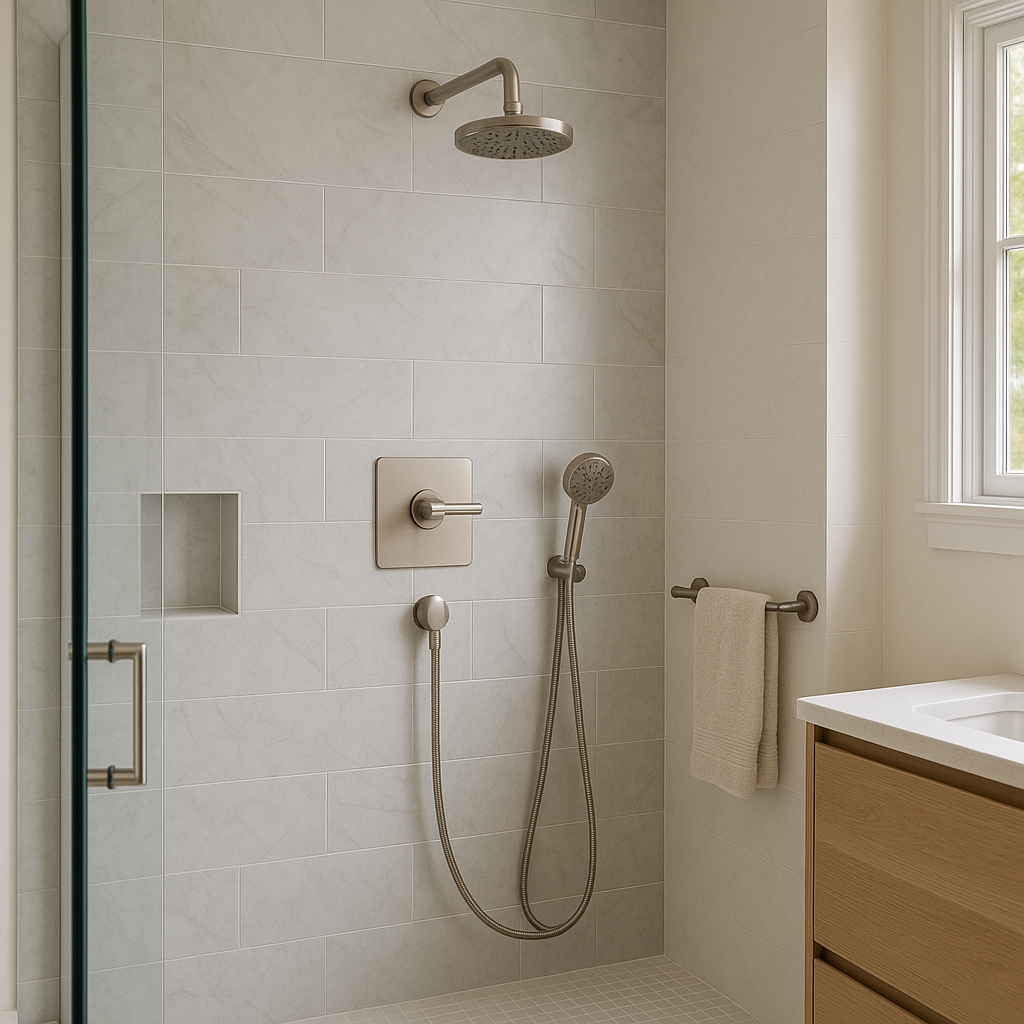
How to Choose the Right Shower Valve
19 May, 2026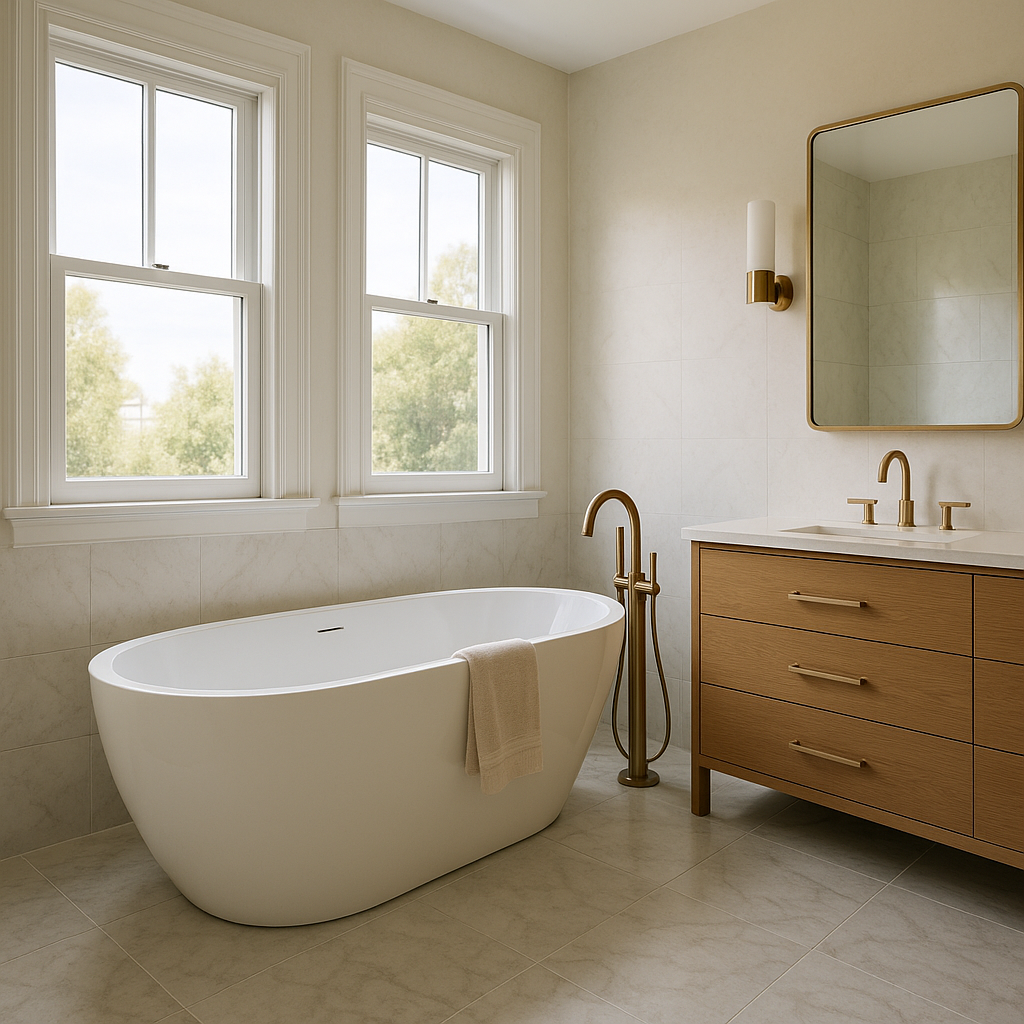
How to Choose the Right Bathtub
15 May, 2026


Location
The Richmond District, San Francisco, CA