
Small Bathroom Renovation Best Practices
29 May, 2026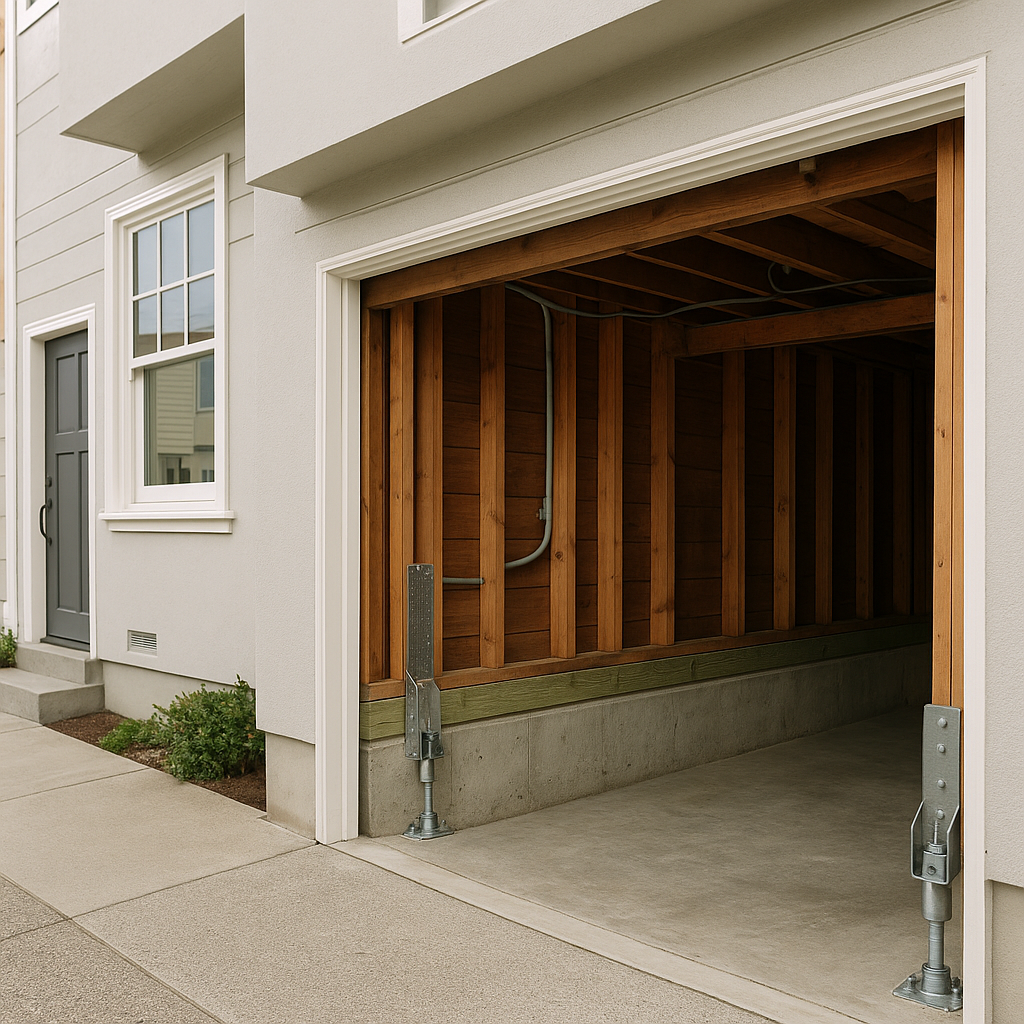
Essential Earthquake Retrofits for Richmond District Homes: Holdowns and Load Path Continuity
San Francisco's Richmond District, with its charming homes nestled against the backdrop of the Pacific, is not just known for its beauty but also for its seismic risks. Homeowners in this vibrant neighborhood must prioritize earthquake preparedness to protect their homes and loved ones. One of the crucial aspects of earthquake retrofitting involves understanding holdowns and load path continuity, especially at garage walls, which can significantly impact a home's stability during seismic events.
Understanding Earthquake Retrofitting
Earthquake retrofitting is the process of strengthening existing structures to withstand seismic activity. This is particularly important in areas like San Francisco, where building codes are stringent due to the city's unique geology and history of earthquakes. For Richmond District homeowners, knowing the specific requirements can help ensure compliance with local regulations, ultimately providing peace of mind.
Key Components of an Effective Retrofit
- Holdowns: These devices secure the walls of your home and prevent them from moving during an earthquake. In garages, where wall integrity is crucial due to the structure's connection to the home, effective holdowns ensure that the garage remains stable.
- Load Path Continuity: This concept involves ensuring that the weight and forces acting on a structure are transmitted safely to the ground. In homes with garages, it’s essential to maintain a continuous load path to prevent structural failure.
Permitting and Codes in San Francisco
Before undertaking any retrofit project, homeowners must familiarize themselves with San Francisco's building codes and permit requirements. The San Francisco Department of Building Inspection (DBI) oversees these regulations, ensuring that all retrofitting projects meet safety standards. Notably, any significant structural changes, including the installation of holdowns or modifications to load paths, will require a permit.
Homeowners should consult the DBI's guidelines or engage a local contractor who understands the intricacies of San Francisco’s codes. Additionally, Richmond District residents may benefit from resources offered by local organizations, such as the San Francisco Neighborhood Emergency Response Team (NERT), which provides information on earthquake preparedness.
Local Microclimates and Their Impact
The Richmond District, characterized by its coastal climate, faces unique challenges when it comes to earthquake retrofitting. While the region enjoys mild weather, the soil composition can vary significantly, impacting the type of retrofitting required. Homeowners should consider a geotechnical assessment to understand how their specific location may influence seismic performance.
Choosing the Right Suppliers
Finding local suppliers who specialize in earthquake retrofitting materials is essential. In the Bay Area, companies like Structural Engineering Design, Inc. and Bay Area Retrofit offer products specifically designed for seismic resilience. These suppliers can provide holdowns, connectors, and other materials that comply with San Francisco’s building codes.
Working with Professionals
While DIY projects can be tempting, earthquake retrofitting involves complex engineering principles that are best handled by professionals. Hiring a licensed contractor experienced in retrofitting can save you time and ensure the work meets all local regulations. Moreover, a professional can help navigate the permitting process, ensuring all necessary paperwork is submitted correctly and promptly.
Community Resources and Support
Engaging with your community can provide invaluable support when retrofitting your home. Local homeowners associations (HOAs) and neighborhood groups often share resources and recommendations for contractors, suppliers, and even funding opportunities for retrofitting projects. Participating in local workshops and seminars can also enhance your understanding of earthquake preparedness and retrofitting techniques.
In the Richmond District, where community engagement is strong, leveraging these connections can help ensure that your home is not only compliant with local codes but also well-prepared to withstand seismic activity.
FAQs
Q: What is an earthquake retrofit for a San Francisco home?
A: It usually means adding anchors, shear walls, and other structural ties so the building can better resist lateral quake forces.
Q: Are earthquake retrofits required in California?
A: Certain soft-story and multi-unit buildings are mandated under local ordinances, while many single-family homes do voluntary retrofits for risk reduction.
Q: How long does a typical residential retrofit take?
A: Most single-family projects run from a few days to a couple of weeks depending on scope, inspections, and how much of the perimeter is being reinforced.
Q: Can I stay in my home during the retrofit work?
A: Often yes, with brief periods of extra noise and vibration. We plan access, staging, and dust control so key rooms remain usable.
Q: How do permits and inspections work for seismic retrofits in SF?
A: We work with your engineer and DBI, submit drawings, and stage work so nailing, anchors, and hold-downs remain visible for inspection before closing up.
Search Blog
Recent Posts

Small Kitchen Renovation Best Practices
22 May, 2026
How to Choose the Right Shower Valve
19 May, 2026
How to Choose the Right Bathtub
15 May, 2026


Location
The Richmond District, San Francisco, CA