
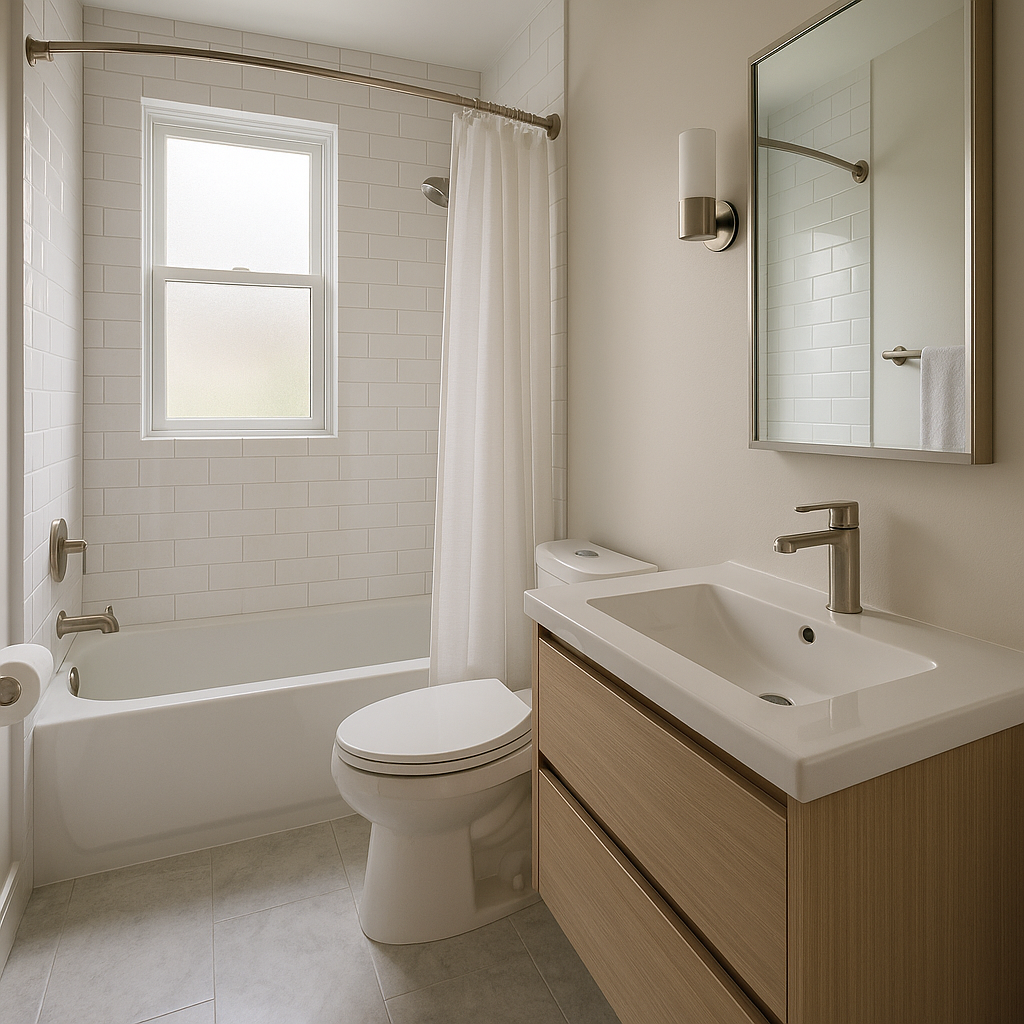
Small Bathroom Renovation Best Practices
29 May, 2026
Essential Guide to Earthquake Retrofitting and Seismic Work for San Francisco Homeowners
For homeowners in San Francisco, the threat of earthquakes is a pressing reality. With the city’s unique architectural styles and diverse neighborhoods, understanding earthquake retrofitting and seismic work is essential. This guide focuses on budget planning and cost trade-offs specifically for soft-story and garage-level seismic retrofits.
Understanding Seismic Risks in San Francisco
San Francisco is situated on the San Andreas Fault, making it particularly vulnerable to seismic activity. Homes built before the 1980s often lack necessary structural reinforcements, especially those with soft-story designs. A soft-story building typically has a garage or open floor plan on the lower level, which can compromise stability during an earthquake.
Importance of Soft-Story and Garage-Level Seismic Retrofits
Soft-story retrofitting is critical for maintaining the safety and structural integrity of your home. The city of San Francisco has specific ordinances mandating seismic upgrades for soft-story buildings built prior to 1978. The primary goal of these retrofits is to enhance the building's ability to withstand seismic forces.
Permits and Regulations in San Francisco
Before starting any seismic work, homeowners must navigate the permitting process. In San Francisco, it’s essential to obtain a Seismic Retrofit Permit through the Department of Building Inspection (DBI). This process ensures that all retrofitting work meets the city’s stringent safety codes.
- Site Assessment: A professional evaluation of your home’s current structural integrity.
- Design Plans: Engineering designs must adhere to local codes, often requiring licensed structural engineers.
- Inspection: The DBI mandates inspections throughout the retrofitting process to ensure compliance.
Budget Planning for Earthquake Retrofits
Budgeting for earthquake retrofitting can be challenging, but understanding the costs involved is crucial. Costs can vary significantly based on the complexity of the project, the size of the structure, and the specific upgrades required. Here are some key factors that influence costs:
- Structural Design Costs: Hiring a structural engineer to design your retrofit can range from $1,000 to $5,000, depending on the project's complexity.
- Materials: High-quality materials that meet seismic resilience standards can increase costs, with estimates ranging from $15,000 to $50,000 for typical soft-story retrofits.
- Labor: Skilled labor is essential for effective retrofitting. Labor costs are typically between $75 and $150 per hour in the Bay Area.
Cost Trade-offs to Consider
When planning your retrofit, consider these cost trade-offs:
- DIY vs. Professional Help: While some homeowners may consider DIY options for minor upgrades, hiring professionals ensures compliance with local codes and safety standards.
- Comprehensive vs. Incremental Upgrades: A comprehensive seismic retrofit addresses all weaknesses simultaneously, potentially saving money in the long run versus doing incremental upgrades.
- Choosing Materials: Opting for less expensive materials might save money upfront but could lead to higher costs later due to increased risk or reduced longevity.
Local Suppliers and Resources
Choosing local suppliers can also help manage costs and ensure timely project completion. Here are some recommendations:
- San Francisco Building Materials: Offers a variety of materials specifically suited for seismic retrofitting.
- Bay Area Engineering Consultants: Experienced in local building codes and seismic retrofitting requirements.
- Local Contractors: Look for contractors with solid reputations in soft-story retrofitting; check reviews on platforms like Yelp or Angie's List.
Neighborhood-Specific Considerations
Each neighborhood in San Francisco has unique characteristics that may affect retrofitting choices:
- Pacific Heights: Known for its historic homes that may require specialized retrofitting techniques.
- Mission District: Many buildings here are older and may need urgent retrofitting to comply with local regulations.
- SoMa: Newer developments might not need retrofitting, but it’s crucial to verify each building’s compliance with the latest codes.
In summary, earthquake retrofitting is not just a legal requirement but a vital investment in your home’s safety. By understanding the specifics of soft-story and garage-level retrofits, navigating permits, and planning your budget wisely, you can effectively secure your home against seismic risks.
FAQs
Q: What is an earthquake retrofit for a San Francisco home?
A: It usually means adding anchors, shear walls, and other structural ties so the building can better resist lateral quake forces.
Q: Are earthquake retrofits required in California?
A: Certain soft-story and multi-unit buildings are mandated under local ordinances, while many single-family homes do voluntary retrofits for risk reduction.
Q: How long does a typical residential retrofit take?
A: Most single-family projects run from a few days to a couple of weeks depending on scope, inspections, and how much of the perimeter is being reinforced.
Q: Can I stay in my home during the retrofit work?
A: Often yes, with brief periods of extra noise and vibration. We plan access, staging, and dust control so key rooms remain usable.
Q: How do permits and inspections work for seismic retrofits in SF?
A: We work with your engineer and DBI, submit drawings, and stage work so nailing, anchors, and hold-downs remain visible for inspection before closing up.
Search Blog
Recent Posts
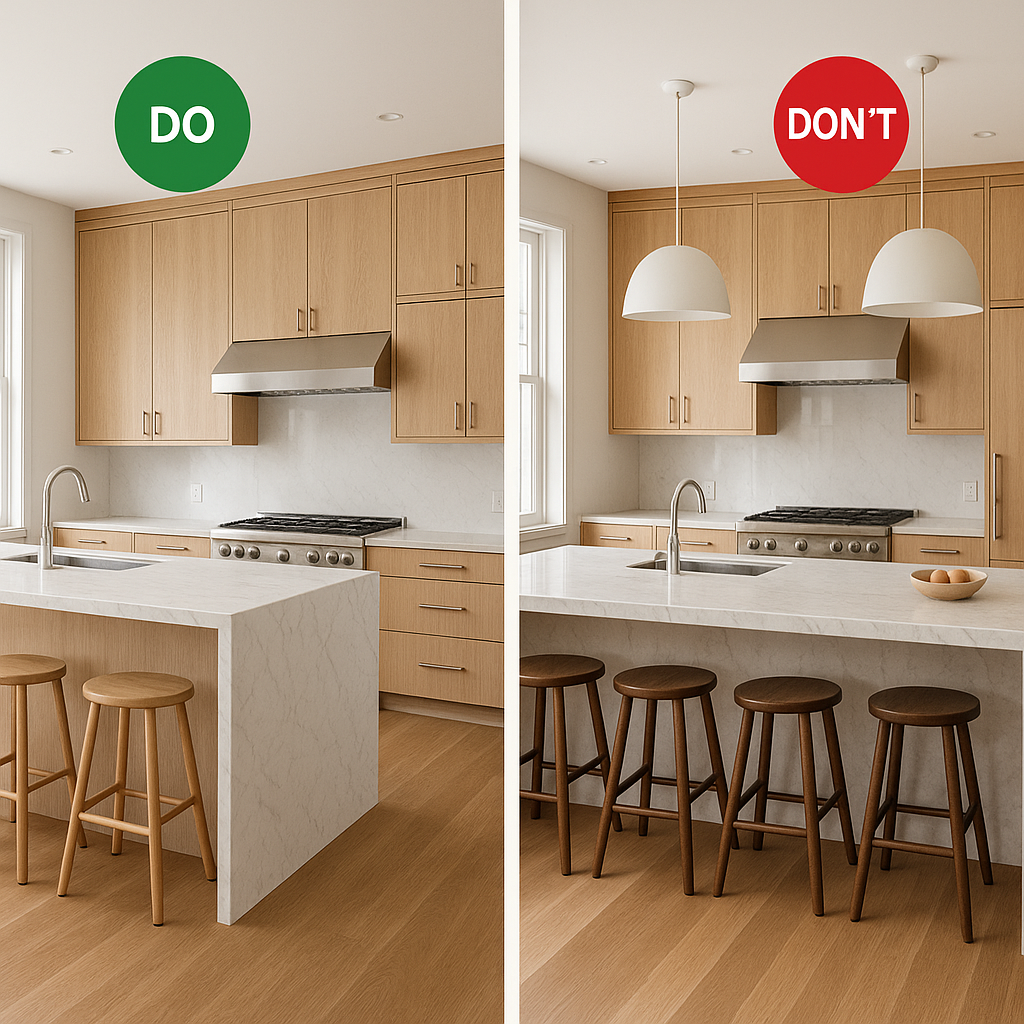
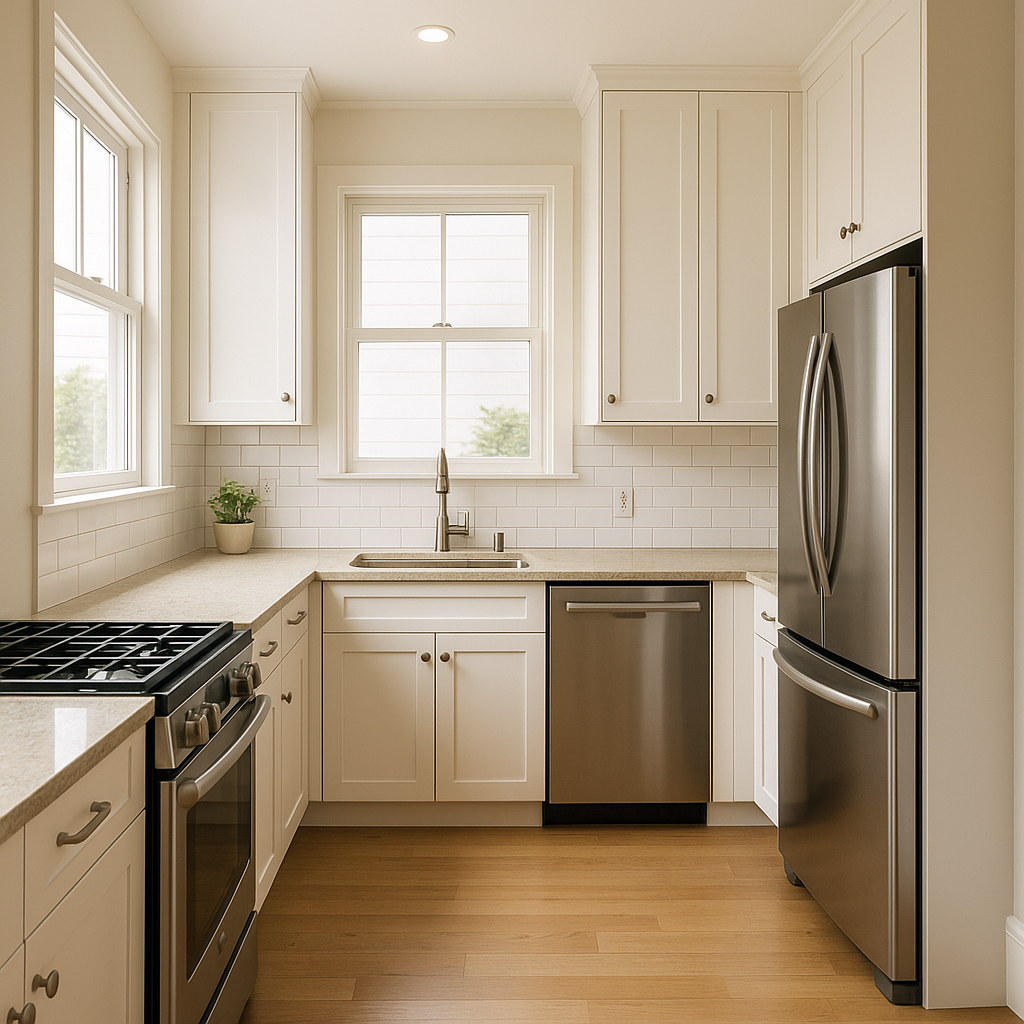
Small Kitchen Renovation Best Practices
22 May, 2026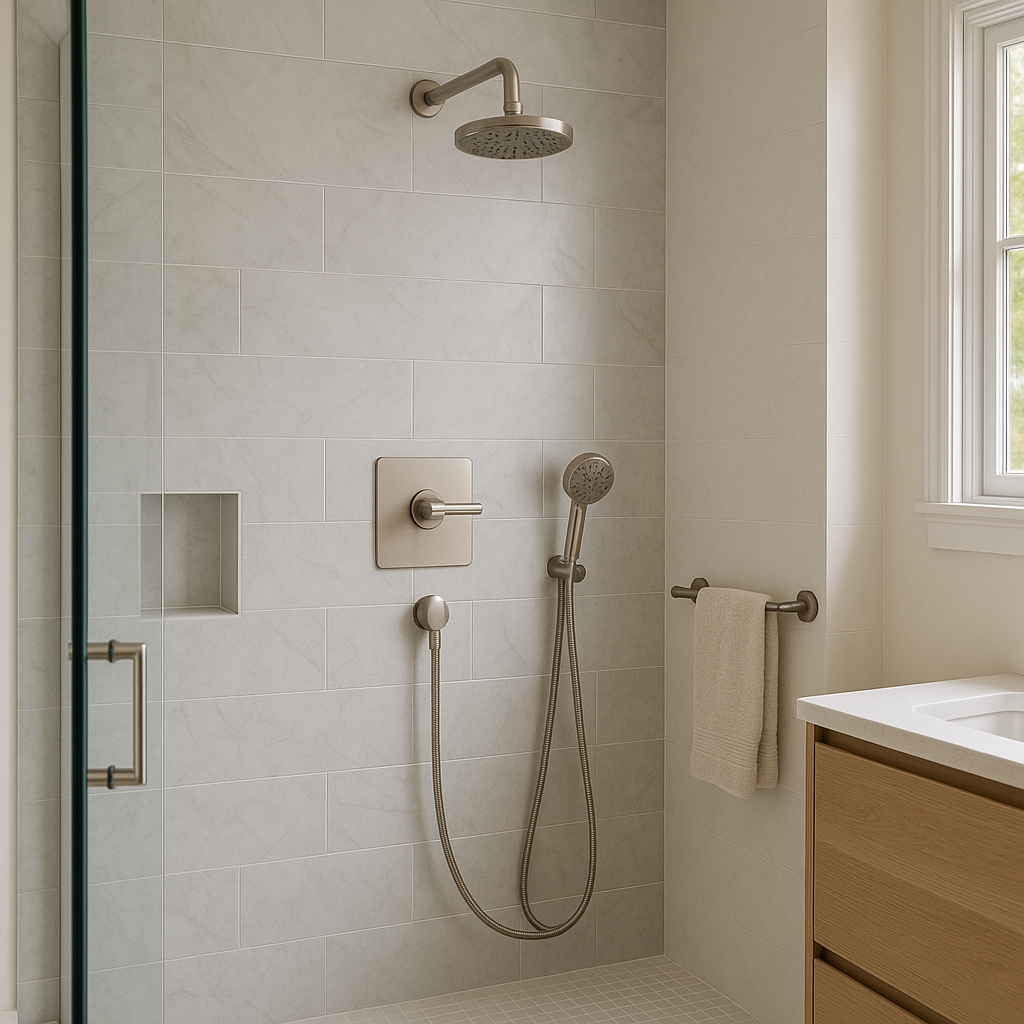
How to Choose the Right Shower Valve
19 May, 2026
How to Choose the Right Bathtub
15 May, 2026


Location
The Richmond District, San Francisco, CA